

10 Warning Signs You Have a Serious Plumbing Problem at Home in Winter Garden, FL
Winter Garden's trusted plumber for fast, honest service you can count on.
Free Estimate
In our experience handling homes in Winter Garden, Windermere, and Horizon West, a major plumbing problem rarely announces itself through a single obvious sign. Instead, the signs build up over time. Maybe you've got a slow drain in the kitchen. Or your water bill jumped. Or there's a smell coming from the bathroom that wasn't there before.
Each of those on its own is easy to brush off. Together, they can point to something much more serious. We hear this all the time during leak detection calls — a homeowner describes one issue on the phone, and when we arrive, we find three or four more warning signs they hadn't thought twice about.
The Cumulative Effect of Individual Clues
A toilet that runs for 30 extra seconds after flushing is an easy thing to ignore. But pair that with low water pressure at the kitchen faucet and a damp wall near the water heater? Now you have a pattern worth looking into.
Your home's plumbing is one connected system. The main water line feeds every fixture. All the drain lines flow into a shared sewer line that runs out to the street. A problem in one spot will show symptoms somewhere else too.
Last month we got a call from a homeowner in Oakland about a gurgling toilet. A sewer camera found a tree root had broken the sewer line about 40 feet from the house. That one broken pipe was causing slow drains in two bathrooms, a smell in the laundry area, and standing water near the foundation. Five symptoms. One broken pipe.
Why Waiting Makes It Worse
Central Florida is not always kind to home plumbing. Summer rains shift the ground around your foundation. Hard water builds up mineral deposits inside your pipes. High humidity hides water damage behind walls until mold has already taken hold.
The difference between a small repair and an emergency repair bill can be enormous. What starts as a tiny pipe crack behind a wall can turn into drywall replacement, mold remediation, and damaged flooring six months later — on top of fixing the original leak.
What to Watch for Right Now
You don't need to be a plumber to recognize these patterns. Watch for combinations like these:
- Two or more clogged drains plus a sewage smell near floor drains
- Higher water usage plus damp patches on walls or ceilings you can't explain
- Discolored water plus low pressure at two or more fixtures
- A noisy water heater plus inconsistent hot water temperatures
One of those on its own is a problem. Multiple at once? That's a sign you need professional help.
10 Warning Signs That Require a Professional Plumber's Attention
Some plumbing problems are impossible to miss — a burst pipe flooding the bathroom makes itself very clear. But most plumbing problems start quietly, as small issues you might ignore for months. Here are the 10 signs it's time to call a professional.
- Low water pressure. When the shower suddenly loses pressure, or multiple faucets feel weak at the same time, something has changed. That's not normal.
- Multiple clogged drains. One slow drain is usually a local clog. Two or more at once — a sink and a bathtub, or a sink and a shower — often points to a blockage in your main drain or sewer line. Root intrusion is a common cause in older Winter Garden homes.
- A higher water bill with no change in habits. A household leak can waste around 10,000 extra gallons of water per year, according to the EPA. If your bill jumped but your usage hasn't changed, there's likely a hidden leak somewhere that needs to be found.
- A sewage smell. If your bathroom or home smells like sulfur, rotten eggs, or swamp gas, there's likely a leak in your plumbing system that needs to be addressed right away. This is both a hygiene issue and a health concern.
- Brown or rust-colored water. Discolored water coming from your faucet or shower can signal corroding pipes. Central Florida's hard water accelerates corrosion, especially in older homes that still have galvanized steel pipes from before the 1990s. Discolored water is also worth checking promptly for lead concerns.
- You can hear water running when everything is off. Stop and listen. If you hear water moving through walls or under floors with every faucet turned off, you have a leak somewhere in your system.
- Wet spots on walls, ceilings, or floors. Discoloration, peeling paint, and soft or spongy drywall all point to a hidden leak. The longer it's left, the higher the chance of mold taking hold inside your walls.
- Your water heater is making noise. Banging, popping, or rumbling from the water heater means sediment has built up inside the tank. This is especially common in Central Florida because of hard water. Left alone, it shortens the life of the unit and can lead to a failed tank.
- Toilets that keep running or wobble at the base. A running toilet wastes a significant amount of water every minute. A wobbly toilet at the base could mean the wax ring is failing — allowing water to soak into your subfloor. Fixing a running toilet is simple. Replacing a rotted subfloor is not.
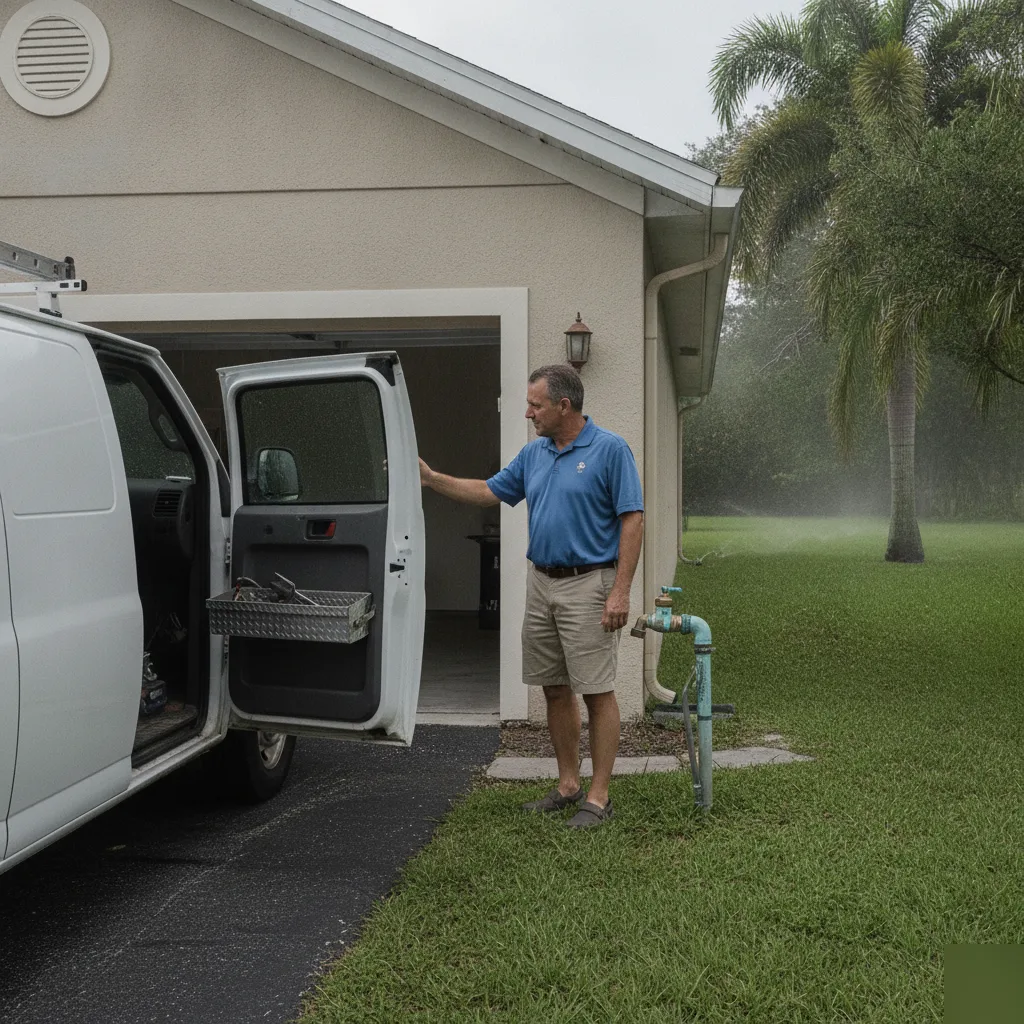
- Soggy spots or unusually green patches on your lawn. A section of grass that's greener than everything around it can mean a leaking sewer line underneath. Damp spots near your main water valve are also worth having inspected with a sewer camera.
It's surprising how many of these signs can show up at once. Is your water bill high and your water pressure low and there's a damp spot on your ceiling? That's not three separate problems. That's three symptoms of one plumbing disaster — and it happens all the time here in Horizon West and Windermere, including in newer builds where the problem hides behind fresh drywall for months before anyone notices.
If you're seeing two or three of these signs at the same time, don't wait another day.
When to Ignore Plumbing Trouble and When to Call a Plumber Immediately
Some plumbing problems you can live with for a day or two. Some need to be fixed right now. And a few don't require a professional at all. The important thing is knowing the difference.
We get calls every week from Winter Garden and Windermere residents who waited on a "minor" issue. A small puddle found under the water heater. A toilet that had been running for "a few days." In both cases, the subfloor had gone soft — or the water bill had doubled. Most homeowners have no idea how fast a small problem can grow.
Here's a simple way to evaluate what you're looking at. Ask yourself three questions:
- Is water flowing somewhere it shouldn't be? If yes, that's a home emergency. Shut off your main water supply and call for emergency plumbing repair immediately.
- Is there a sewage or sulfur smell inside your home? A sewer line or vent pipe may need replacing. Don't wait — this is a health hazard.
- Is the problem getting worse over time, or has it stayed constant? A faucet that's dripped steadily for two weeks is different from a ceiling stain that hasn't grown in a month.
Ask those three questions and you'll know whether you need to act now or can schedule something soon.
Situations That Can Wait 24 to 48 Hours
A single slow drain, a toilet that needs a second flush, or a faucet that drips at a steady pace — these are real problems, but they're not emergencies. They won't cause major damage in a few hours. You have time to make an appointment during normal business hours.
That said, "can wait" is not the same as "can be ignored." The slow drain in your Horizon West townhome might be a simple clog today. Ignore it for three months and it might need a full drain jetting — or worse.
Situations That Need Same-Day Repairs
Some signs can't be waited out. Trust your gut when something feels wrong.
- Water leaking around the base of your water heater
- Multiple drains backing up at the same time — this often means a failing main sewer line
- Sudden loss of water pressure throughout the house
- Damp walls, floors, or unexplained wet spots anywhere in the home
- A raw sewage smell coming from any drain
Any of these can point to a burst pipe, a failing water main, or a sewer line collapse. Sandy soil and heavy summer rains can wreak havoc on underground plumbing — especially in older areas like Oakland and Ocoee where tree root intrusion into sewer lines is very common. A sewer camera inspection can show you exactly what's happening below ground before you start tearing up the yard.
The bottom line: if the problem involves sewage, active water flow, or symptoms that are getting worse — don't wait. If it's a constant annoyance that hasn't changed, schedule it as soon as possible. Brightwater Plumbing of Orlando offers same-day service and can help you figure out the right next step.
Get a Free Quote!
Terms and Conditions
Request a Quote
Terms and Conditions
Request a Quote
Terms and Conditions
Frequently Asked Questions
Common questions about how do plumbers detect hidden leaks? professional techniques revealed services
When should I call a plumber instead of waiting to see if it gets worse?
Call a plumber as soon as you notice two or more warning signs at once — like slow drains paired with a bad smell. Waiting rarely helps with plumbing problems in Winter Garden. What starts as a small leak behind a wall can turn into mold, damaged flooring, and a bigger repair bill within months. If you're already seeing a pattern of symptoms, it's worth getting someone out before things get worse.
Why do older Winter Garden homes seem to have more sewer line problems than newer builds?
Older Winter Garden homes often have sewer lines that have been in the ground for decades, giving tree roots more time to find cracks and grow into the pipe. Neighborhoods like Oakland and Tildenville have mature trees close to older sewer lines, and root intrusion is a common cause of gurgling toilets and slow drains in those areas. Newer Horizon West construction uses updated materials, but even those pipes can shift as Central Florida soil moves after heavy summer rain.
If I only notice one warning sign, does that mean my plumbing is fine?
Not necessarily. One sign can be the first visible clue of a bigger problem forming underneath. Your home's plumbing works as one connected system — a break in the sewer line can quietly cause slow drains, odors, and damp spots near your foundation before you notice all of them together. A single running toilet or one slow drain might seem minor on its own. Watching for a pattern of two or more signs gives you a much clearer picture of what's really happening.
Why does my water bill keep going up if I haven't changed my habits?
A rising water bill with no change in habits usually points to a hidden leak somewhere in your home. A household leak can waste around 10,000 extra gallons of water per year, according to the EPA. Many homeowners assume a higher bill is just a rate increase. In older Winter Garden homes, that jump is often the first sign of a slow pipe leak that hasn't shown up anywhere visible yet.
Does Central Florida's weather really affect home plumbing?
Yes, in a real way. Summer rains cause the ground around your foundation to shift, which can crack or misalign pipes over time. Hard water speeds up mineral buildup inside your pipes. High humidity can hide a slow leak behind a wall until mold damage has already started. This combination is part of why small plumbing issues in Winter Garden tend to grow faster than homeowners expect.
What's the difference between a normal plumbing annoyance and a real warning sign?
A normal annoyance is usually a single, isolated issue — like one slow bathroom sink that's been that way for years. A real warning sign shows up as a cluster: low pressure at two faucets plus discolored water, or a sewage smell paired with a clogged drain. Those combinations point to a shared cause somewhere in your main line or water heater. If you're noticing more than one symptom at the same time, it's time to have your plumbing checked before the issue spreads.