

Can a Hidden Water Leak Go Unnoticed for Months?
Yes, Hidden Water Leaks Can Go Undetected for Months, Sometimes Longer
Free Estimate
The short answer is yes. We see it constantly in local homes, and it's one of the main reasons people call us for plumbing leak detection in Oviedo. A small leak behind a wall or under a slab can drip for weeks, then months, without giving you a single obvious sign anything is wrong.
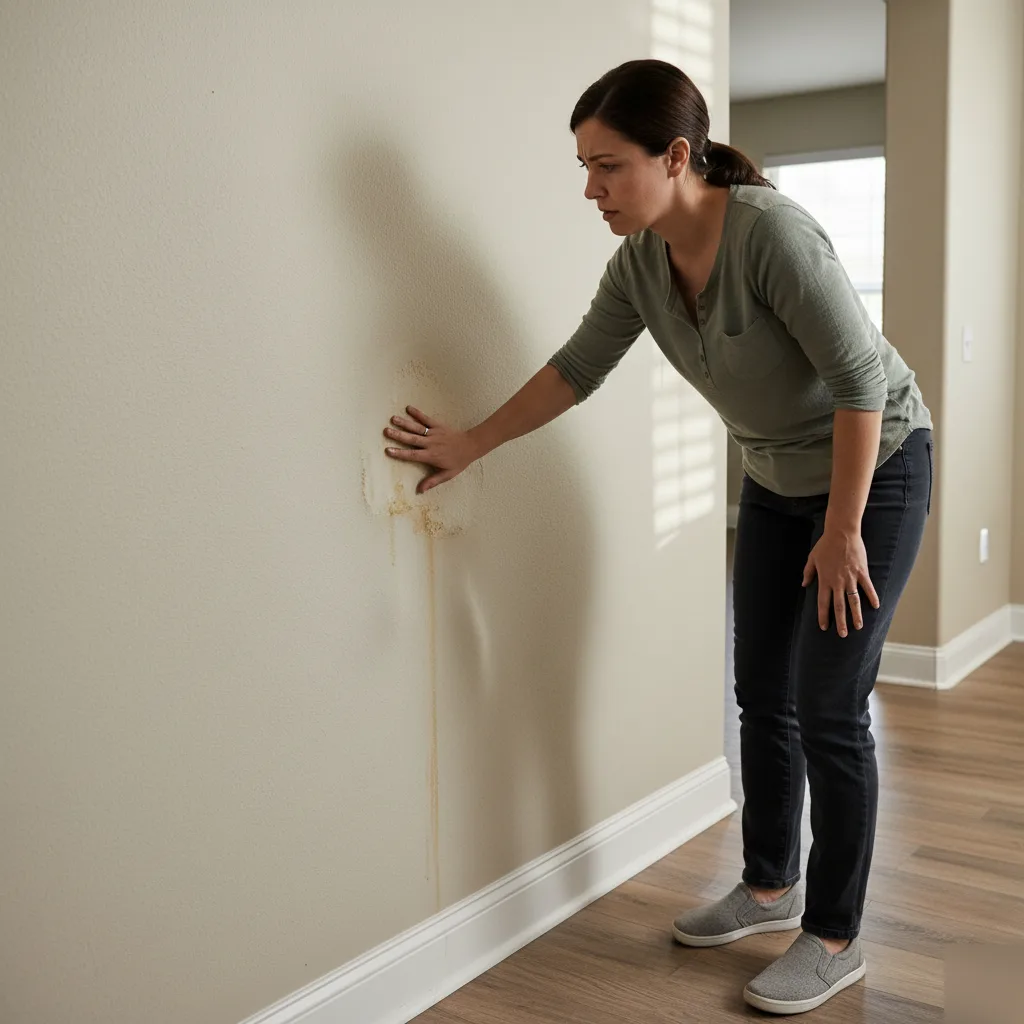
Think about where your pipes actually run. Behind drywall. Under concrete slabs. Through your attic. Inside cabinet walls you never open. A pinhole leak in a copper supply line behind your master bathroom isn't going to announce itself with a puddle on the floor. It's going to slowly saturate the drywall, feed mold, and soften your subfloor, all while your water bill creeps up so gradually you don't catch it.
Here's something we ran into in a Tuscawilla home not long ago. The homeowner called about a musty smell in a guest bedroom. Nobody had used that bathroom in months. Turns out a supply line fitting behind the shower wall had been weeping for close to five months. The drywall looked completely fine from the front. But behind it, black mold had spread across a four-foot section of framing.
Five months. No visible water. No dripping sound.
Just a faint smell that finally got bad enough to investigate.
Why Orlando Homes Are Especially Vulnerable
Orlando's climate makes hidden water leaks harder to catch and faster to cause damage. Our humidity hovers between 70 and 90 percent for most of the year, so a slow leak behind a wall doesn't dry out the way it might somewhere up north. The moisture just sits there and feeds mold around the clock. According to the EPA, the average household leak wastes about 10,000 gallons of water per year, and in Central Florida's heat and humidity, that standing moisture turns into a mold problem faster than most homeowners expect.
Then there's our soil. Much of Orlando sits on sandy ground that shifts with heavy summer rains. That movement puts real stress on slab foundations and the pipes running through them. A slab leak can go undetected for a very long time, because you can't see under your foundation without the right equipment.
The Signs Are Easy to Miss
Most people picture a water leak as something dramatic. A burst pipe. A flooded kitchen. But the dangerous leaks are the quiet ones. Here's what to watch for:
- Your water bill goes up without a change in usage
- You smell something musty or earthy in a room with no obvious moisture
- Paint or wallpaper starts bubbling or peeling in one spot
- You notice warm spots on your floor, which can point to a hot water line leak under the slab
- Your water meter keeps spinning after you've shut off every fixture in the house
Any one of those could mean water has been leaking somewhere out of sight for weeks or longer. Most people don't figure that out until the damage is already done.
So what do you do if something feels off? Don't wait for it to get worse. A professional plumbing leak detection service uses acoustic sensors and thermal imaging to find exactly where the leak is without tearing your walls apart. If you're in Orlando or anywhere in Seminole County, Brightwater Plumbing of Oviedo can track down the source and walk you through the next step, whether that's a targeted pipe repair or something bigger like a repiping service. You can learn more on our plumbing leak detection page.
The leak won't fix itself. But catching it early can save you thousands in repairs and keep your home safe from mold and structural damage.
Signs a Hidden Water Leak Has Been There for Months
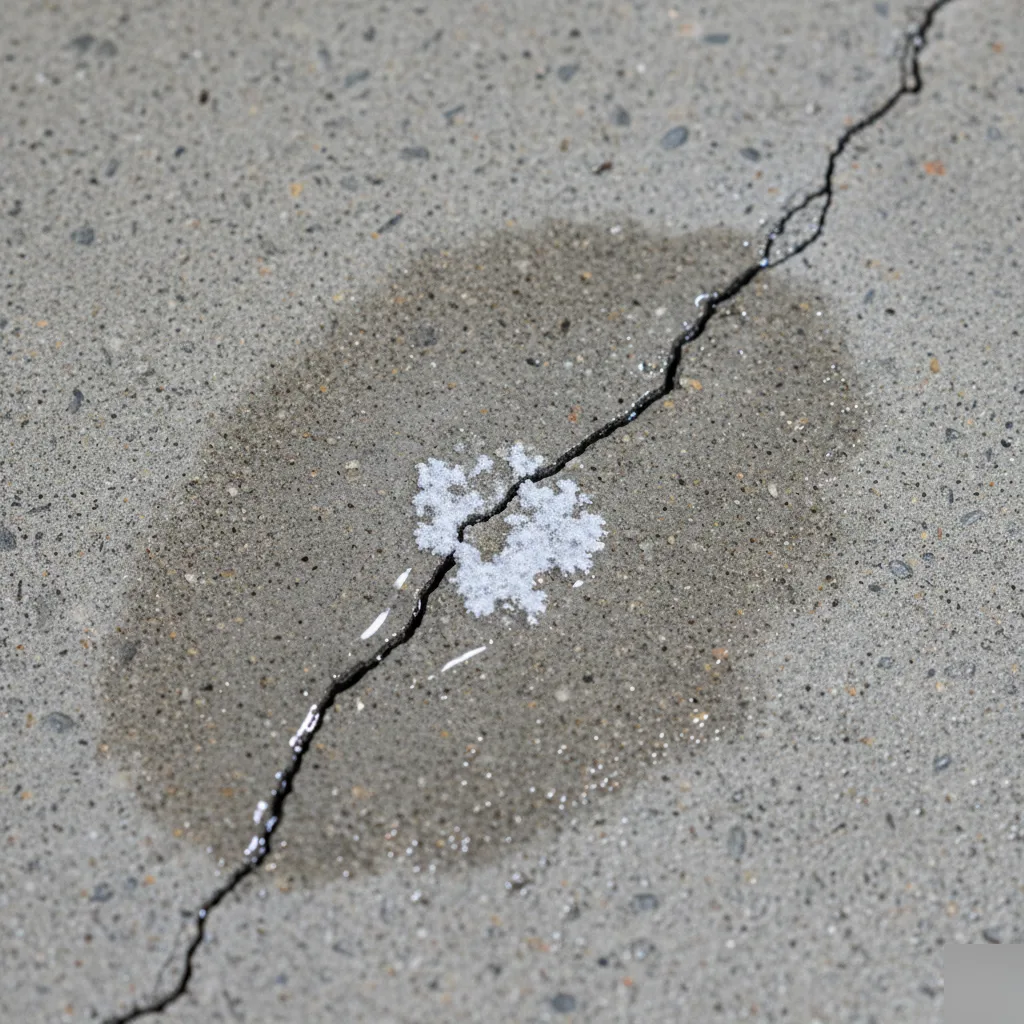
Most people picture a hidden water leak as a small drip behind a wall. That's true at first. But after a few months? The signs get bigger, stranger, and harder to ignore once you know what you're looking at.
We get calls from homeowners in Tuscawilla and Alafaya Woods who say, "I thought it was just Orlando humidity." And that's a fair guess. Central Florida is humid. But there's a real difference between seasonal moisture and a slow leak that's been soaking into your walls or slab for weeks on end.
Here are the most common signs we see when water has been leaking undetected for months:
- Musty smell that won't go away. You've cleaned everything. You've checked the AC drain pan. The smell stays. That's often mold growing behind drywall from a long-running leak.
- Discolored spots on walls or ceilings. Yellow or brown stains that seem to grow slowly over time. These aren't cosmetic problems. They're water damage showing through.
- Warped or buckled flooring. Wood laminate and vinyl plank both react to moisture underneath. If your floor feels soft or uneven in one spot, water has likely been sitting under it for a while.
- A water bill that crept up gradually. Not a sudden spike. A slow climb over two or three billing cycles that you might not notice right away.
- Baseboards pulling away from the wall. Moisture causes drywall and trim to swell. If your baseboards look like they're separating at the bottom, that's worth checking behind.
One thing we see a lot in older Oviedo homes is slab leaks that go unnoticed for months. The pipe sits under concrete. You can't see it or hear it. But the water migrates through the slab and eventually shows up as a warm spot on your tile or a crack in the foundation. By then, gallons of water have already been lost.
The Water Bill Test
Here's a quick trick. Turn off every faucet and water-using appliance in your house, then check your water meter. If it's still moving, water is going somewhere you can't see. That's the simplest way to confirm a hidden leak before calling for plumbing leak detection.
Don't wait for the obvious signs. By the time paint is bubbling or drywall feels spongy to the touch, the leak has probably been active for 60 days or more.
We had a customer near Oviedo on the Park who noticed her electric bill going up, not her water bill. Turns out a hot water line under the slab had been leaking for months, forcing her water heater to run constantly. She didn't connect the dots until we ran plumbing leak detection and found the source. That's how sneaky these things get.
If any of these signs sound familiar, don't brush them off. A call for plumbing leak detection can save you thousands in repairs down the road. Learn more about our leak detection services and what to expect when we show up.
Why Orlando's Slab Foundations Make Hidden Leaks Harder to Find
Most homes in Orlando sit on concrete slab foundations. No basement. No crawl space. Just a thick pad of concrete poured directly on the ground, with your water supply lines and drain pipes buried underneath it or running through it.
That's a problem when a pipe starts leaking.
In a home with a crawl space, you can physically see pipes. You can spot drips, corrosion, or puddles before they cause real damage. With a slab foundation, those pipes are hidden under four to six inches of solid concrete. There's no way to see what's happening down there without the right equipment. A copper supply line can develop a pinhole leak and drip for months, soaking the sand and soil beneath your home while you go about your day with no idea anything is wrong.
What Makes Central Florida Slabs Especially Vulnerable
Orlando's soil conditions add another layer of difficulty. Sandy soil is common across Seminole County and the surrounding areas, and sandy soil drains fast. When water escapes from a pipe under your slab, it doesn't always pool in one visible spot. It spreads out, shifts, and moves through the sand before you ever notice a warm spot on your tile or a spike in your water bill.
We see this a lot in neighborhoods like Tuscawilla and Alafaya Woods, homes built in the 1980s and 1990s with original copper lines that are now 30 to 40 years old. The combination of hard water, aging pipes, and a slab foundation creates the setup for a leak that goes unnoticed for a long time. (And if you've ever had your water tested in this area, you already know how hard it is. That mineral content is rough on copper over the years.)
Orlando's heat makes it worse. Warm ground temperatures speed up corrosion on copper pipes. They also make it harder to notice a warm spot on your floor, since the slab is already warm from the Florida sun beating down all day.
Why Standard Inspections Miss Slab Leaks
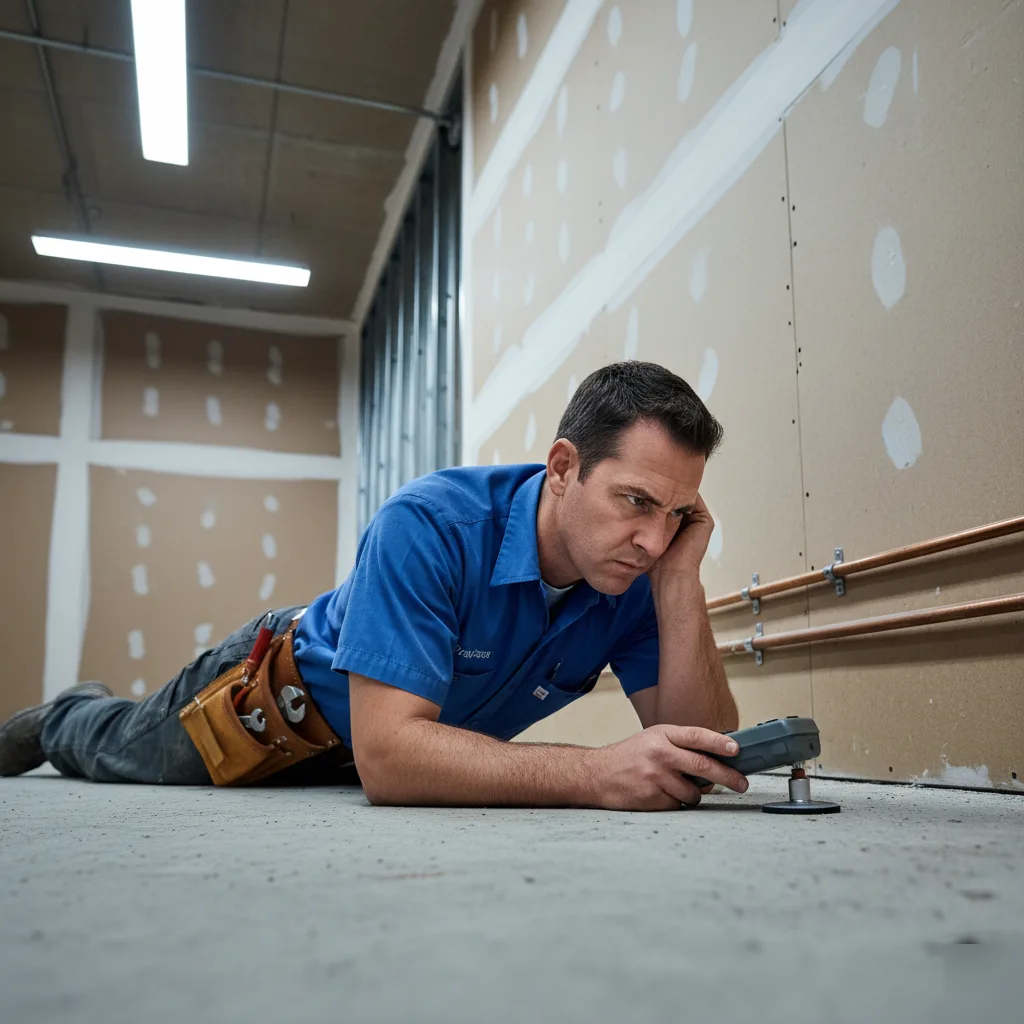
A general home inspection won't catch most slab leaks. Inspectors check visible plumbing, test fixtures, and look for obvious water damage signs. But they're not set up to detect what's happening under concrete. That takes specialized plumbing leak detection tools like acoustic listening devices and thermal imaging cameras that pick up subtle temperature changes or the sound of pressurized water escaping a pipe.
Here's a scenario we've run into more than once. A homeowner near Waterford Lakes calls because their water bill jumped by $40 over two months. No visible leaks anywhere. Every faucet looks fine. The toilets aren't running. But when we run plumbing leak detection on the slab, we find a slow leak on a hot water line that's been dripping for who knows how long, the only clue was that water bill creeping up.
Slab leaks don't announce themselves.
- Sandy soil pulls water away from the leak point, masking the location
- Concrete blocks visual and physical access to the pipes
- Hard water in Seminole County speeds up pipe corrosion from the inside
- Warm ground temperatures make thermal detection trickier
If your home sits on a slab and you've noticed unexplained moisture, a musty smell, or a water bill that keeps creeping up, don't wait on it. These leaks get worse over time, not better. The concrete doesn't fix itself, the pipe doesn't heal. Early plumbing leak detection saves you from foundation damage, mold problems, and a much bigger repair bill down the road. Brightwater Plumbing of Oviedo uses professional leak detection methods to pinpoint slab leaks without tearing up your floor unless it's absolutely necessary. If something feels off with your water usage, that gut feeling is worth following up on.
Get a Free Quote!
Terms and Conditions
Request a Quote
Terms and Conditions
Request a Quote
Terms and Conditions