

Can You Do Plumbing Yourself? What Homeowners Should Know
Some plumbing jobs are perfectly fine for a homeowner to tackle, like replacing a toilet flapper or clearing a slow drain with a plunger. But anything connected to your main water line, gas line, or sewer system needs a licensed plumber.
Free Estimate
Which Plumbing Repairs Are Safe to Do Yourself
Some plumbing jobs are perfectly fine for a homeowner to tackle, like replacing a toilet flapper or clearing a slow drain with a plunger. But anything connected to your main water line, gas line, or sewer system needs a licensed plumber. Orlando's older homes and hard water have a way of turning small mistakes into big ones fast. When in doubt, an experienced Oviedo plumber can help.
Let's be honest here: not every plumbing problem needs a truck in your driveway. We hear from plenty of folks who could have skipped a service fee entirely if they'd just known where the line is.
So where does that line sit? Here's a simple way to think about it: if the job is contained, low pressure, and reversible, you can probably handle it yourself. But if it touches the water main, gas, or anything buried under your slab, that's your cue to step back.
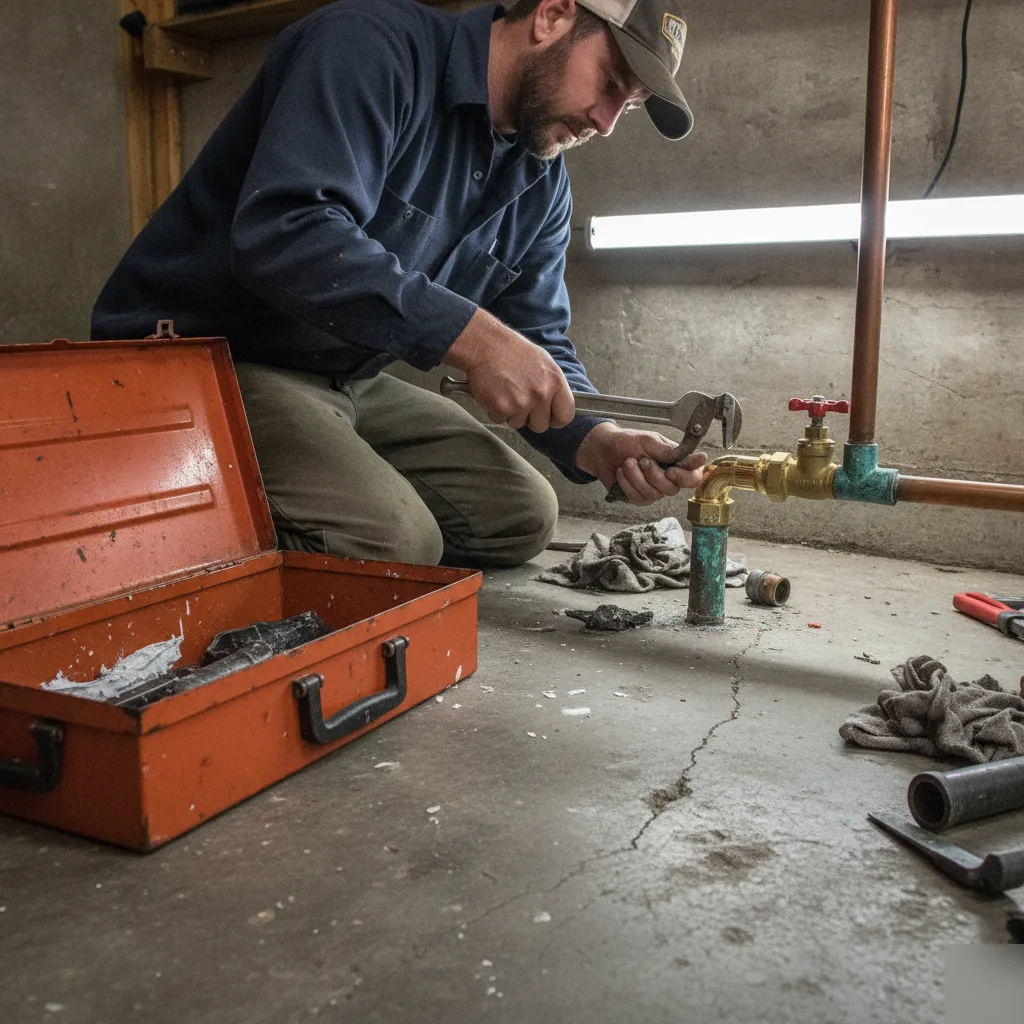
- Replacing a toilet flapper or fill valve when your toilet runs constantly
- Clearing a slow sink drain with a plunger or a drain snake, not chemical cleaner
- Swapping out a shower head or a basic faucet aerator
- Tightening a loose supply line under the sink if it's just a slow drip
- Cleaning out a garbage disposal jam using the reset button and an Allen wrench
Here's a scenario we run into constantly in older Orlando neighborhoods like College Park and Winter Park. A homeowner notices a running toilet and picks up a flapper kit from the hardware store. Smart move, easy fix. But then they spot the shutoff valve under the toilet, corroded and stuck. That's where things can go sideways in a hurry, because forcing a frozen valve can snap the line and flood a bathroom in seconds.
Orlando's water is hard, and over the years that mineral content builds up inside valves, faucets, and fixtures. Homes built before the 1990s often still have galvanized fittings quietly corroding from the inside out. So a job that looks like a five-minute fix can turn into a burst pipe the moment you start turning wrenches on parts that haven't moved in a decade.
Before you grab a tool, ask yourself one question: can I shut off water to just this fixture, or does fixing it mean cutting water to the whole house? If it's the whole house, that's your signal to call someone with the right tools and experience.
Why Some Easy-Looking Repairs Are Riskier Than They Seem
A toilet swap looks simple enough in a ten-minute video. So does replacing a garbage disposal. But we've walked into more than one Orlando home where an easy job turned messy fast, thanks to what was hiding behind the wall or under the slab.
Here's the thing about older Orlando neighborhoods: a lot of homes still have galvanized pipe, cast iron drain lines, or connections that never quite met today's code. Touch one fitting, and the pipe next to it can crack. We've seen a homeowner loosen a single supply line and end up with three separate leaks, simply because the whole system was already brittle.
- Toilet installation: A bad wax ring seal or a cracked flange under the tile often doesn't show up until weeks later, once water damage is already spreading into the subfloor.
- Garbage disposal repair: The unit itself might be simple, but the electrical connection underneath the sink can be a shock risk if it's wired wrong.
- Faucet installation: Hard water buildup in Central Florida corrodes old shutoff valves. Turn the wrong one and it can snap right in your hand.
- Water heater repair: Gas connections and pressure relief valves don't leave room for error. Get it wrong and you're dealing with a safety issue, not just a leak.
- Sewer line repair: What looks like a simple clog can actually be root intrusion or a collapsed pipe. Snaking it yourself can just push the problem further down the line.
Summer storm season makes all of this worse. Heavy rain pushes groundwater up around aging sewer lines, so a repair that held fine in April can back up again by July. Every hurricane season, we get calls from homeowners who patched something months earlier and watched it fail the moment the ground got saturated.
Why do these jobs trip people up so often? Most plumbing videos show a best-case scenario: a newer home, clean pipes, no surprises. Your house probably doesn't match that video. Most homeowners don't realize how much the plumbing behind one fixture connects to everything else, until they're standing in an inch of water.
A cracked flange under a toilet, a corroded valve behind a faucet, a gas line that's just slightly loose behind a water heater. None of it shows up on the surface until it's already a problem.
What Orlando Homeowners Should Know About Plumbing Permits
Here's something a lot of Orlando homeowners don't think about until it's too late: permits. Most cities, Orlando included, require a permit for certain plumbing work. This isn't the city trying to slow you down. It's there to make sure the work meets code and won't cause problems down the road, like a leak inside a wall or a backflow issue that contaminates drinking water.
So which jobs actually need a permit? In Orlando and most of Orange County, you'll typically need one for water heater installation, repiping, sewer line repair, and any work that changes your home's plumbing layout. Smaller fixes usually don't require one.
- Replacing or installing a water heater, tankless or standard
- Repiping part or all of a home's water lines
- Sewer line repair or replacement work
- Adding a new bathroom, fixture line, or drain
- Installing a backflow preventer or sump pump system
On the other hand, swapping a faucet, fixing a running toilet, or clearing a slow drain usually falls outside permit requirements. That's the kind of small job most homeowners can handle without calling the city first.
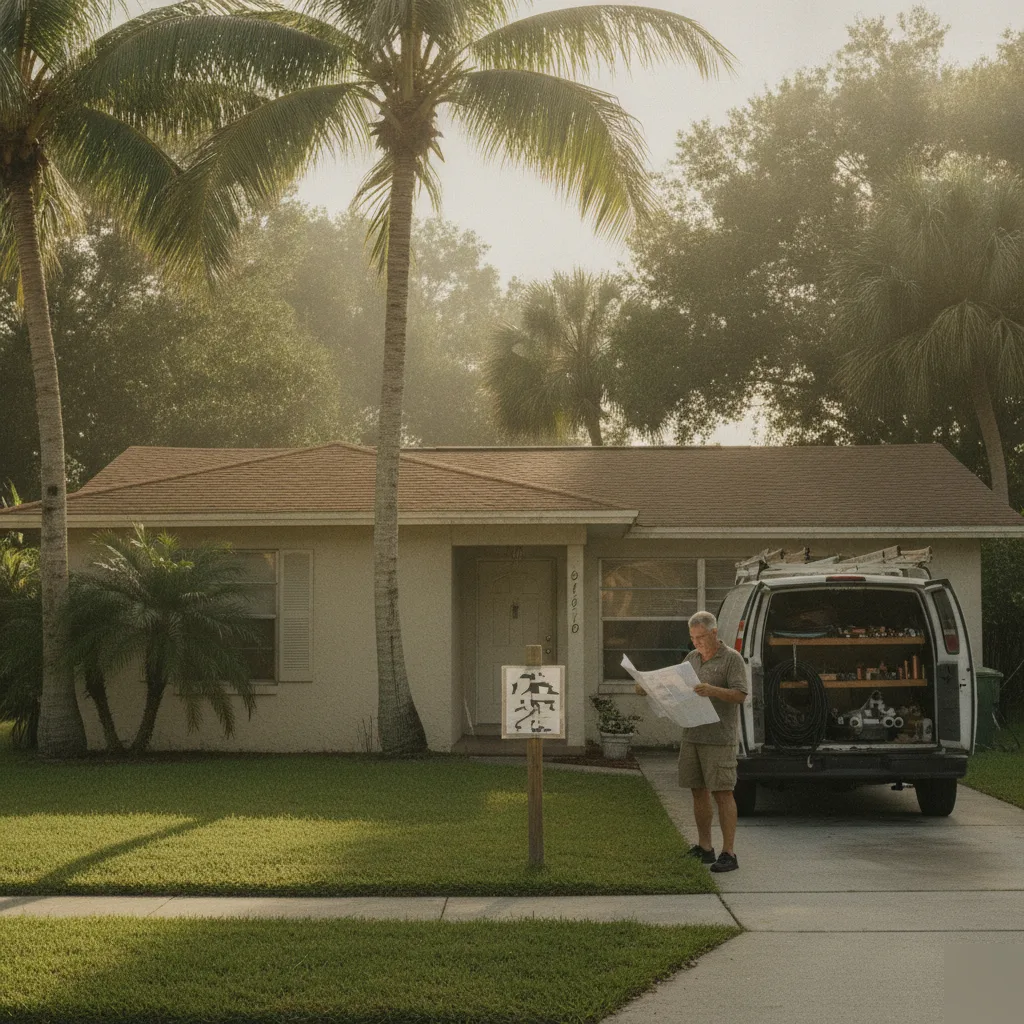
Here's the part that trips people up. Work that should've been permitted but wasn't can come back to bite you later. Say you sell your house in five years and the buyer's inspector spots unpermitted water heater work. Now you're stuck pulling a retroactive permit, or worse, redoing the job just to pass inspection. We've walked into more than one Orlando home where a DIY repipe looked fine on the surface but had no permit on record, and that alone held up the closing for weeks.
There's also the insurance angle to consider. If unpermitted plumbing work causes water damage, some insurance companies will deny the claim outright. That's a real cost, not just a paperwork headache.
So how do you know if your project needs a permit before you get started? Call the City of Orlando permitting office, or check with Orange County if you're outside city limits. It takes just a few minutes and can save you months of trouble later.
This is exactly why bigger plumbing jobs, like water heater installation, repiping, or sewer line repair, usually make more sense left to a licensed plumber. They already know what's required, they pull the permit, and the inspection gets scheduled without you having to chase any of it down.
Get a Free Quote!
Terms and Conditions
Request a Quote
Terms and Conditions
Request a Quote
Terms and Conditions