

Do Oviedo homes on slab foundations actually need a sump pump?
What a Sump Pump Actually Does, and Why Slabs Change the Equation
Free Estimate
A sump pump is pretty straightforward. It sits in a pit, usually dug right below your basement or crawl space floor. This little workhorse collects any water that seeps in from the ground outside. Then, it actively pushes that water out and away from your home through a discharge pipe. It's a simple system, really, but it keeps basements and crawl spaces dry across the whole country, day in and day out.
Here's what many folks don't quite get. Sump pumps were designed with basements and crawl spaces in mind. These are those lower areas of a home, sitting below the ground. They are right in the path of any rising groundwater.
Water always goes downhill. So, it naturally pools under the house in those open spaces, and that's when the sump pump kicks on to move it. That's how the whole setup works.
Slab foundations are a different story.
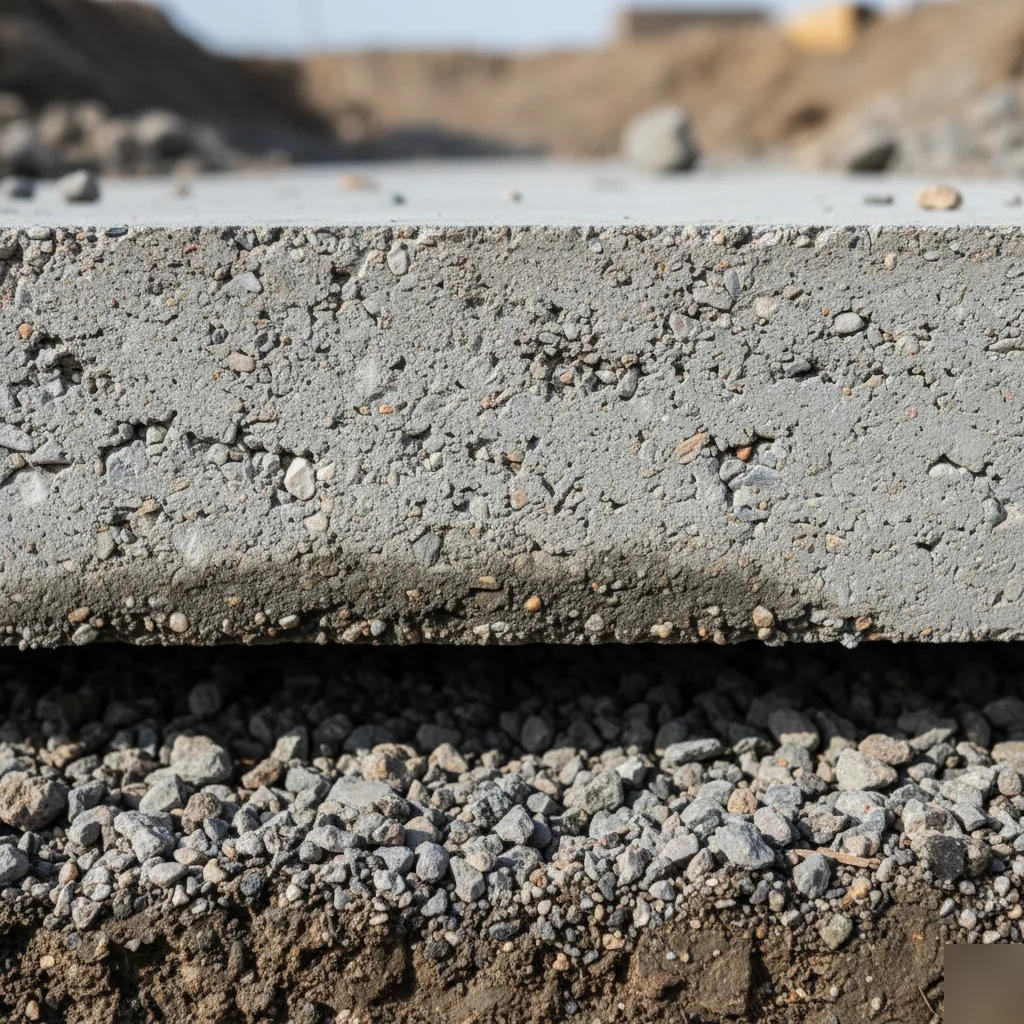
Your home actually sits on a big, thick concrete pad. This pad gets poured right on the ground itself. There isn't any open space underneath it where water could collect, not like a basement anyway. No pit, no crawl space. There's no below-grade area for a traditional sump pump to even sit in. So, the big question becomes: where would you even put one, and what would it actually be protecting?
How Oviedo's Soil and Water Table Factor In
Most homes here in Oviedo are built on that sandy Florida soil so well. Sand drains quickly, which is usually a good thing. But many spots in Seminole County also have a pretty high water table. During those heavy summer storms, you know the ones, the water table can actually rise pretty close to the surface. We see this often in areas like Black Hammock and some parts of Chuluota, especially where the land naturally sits a bit lower.
A high water table doesn't automatically mean water is getting right into your slab home, though. That concrete pad you're sitting on acts like a real barrier. But water can still definitely cause problems around the edges of your foundation. It pushes hard against the perimeter, finds tiny cracks in the slab that develop over time, and builds up hydrostatic pressure underneath. That pressure can actually force moisture up through gaps so small you might not even notice them.
We've been on calls in Tuscawilla, a neighborhood with plenty of established homes, where the homeowner was sure they had a plumbing leak. But it wasn't a pipe. It turned out the moisture they saw on their garage floor was just groundwater. It was pushing right up through a hairline crack in the slab, especially during the peak of rainy season. No plumbing issue involved there at all.
When a Sump Pump Makes Sense on a Slab
Not every slab home needs a sump pump. Most don't. But some specific situations can certainly change that thinking:
- Your yard floods pretty regularly, and water often pools up right against your foundation walls.
- You've started noticing moisture, damp spots, or even standing water in your garage. Maybe along interior walls after a good storm.
- Your home sits on a low spot on the property. Drainage from neighboring houses just flows right toward your foundation.
- A professional plumbing leak detection ruled out any pipe issues, but water just keeps showing up.
In these particular cases, a sump pump installation in Oviedo can absolutely be the right call. We can set it up along the exterior perimeter. Or sometimes, we cut a special pit at the lowest point closest to your foundation. It's designed to catch that water before it ever reaches your slab. Think of it more as an interceptor system, not a traditional basement pump.
And here's a common misconception homeowners have. The sump pump isn't always the only answer. Sometimes, the real fix is actually better drainage around the foundation. A good French drain, or even just regrading the yard so water flows away from the house instead of pooling up against it, can do wonders. A sump pump often tackles the symptom. Getting your drainage right truly solves the underlying cause.
Understanding foundation drainage and sump pump requirements can help you figure out which solution actually fits your situation before spending money on equipment you may not need.
But when simple drainage isn't quite enough, a sump pump gives you a dependable backup. It turns on all by itself when the water in that pit reaches a certain level. You won't have to worry about it during a 3 a.m. summer thunderstorm. It simply does its job.
So, does your Oviedo slab home actually need one? Maybe. It really depends on your specific lot, the local water table, and whether water is genuinely reaching your foundation. The smart move is to have someone take a professional look at your situation. Do this before you spend money on equipment you might not even need. We always say, get the facts first.
Oviedo's Water Table and Rainfall Make Slab Drainage a Real Concern
Central Florida sits on a pretty shallow water table, as many of us know. In parts of Oviedo, that water table can actually rise within a few feet of the surface during our wet season. Your slab foundation may not have a basement or a crawl space, but that doesn't mean water can't find its way in. It definitely can.
The St. Johns River Water Management District tracks these things. They report that seasonal water table levels right here in Seminole County can swing by several feet between the dry and wet months. That kind of fluctuation matters more than most homeowners might realize.
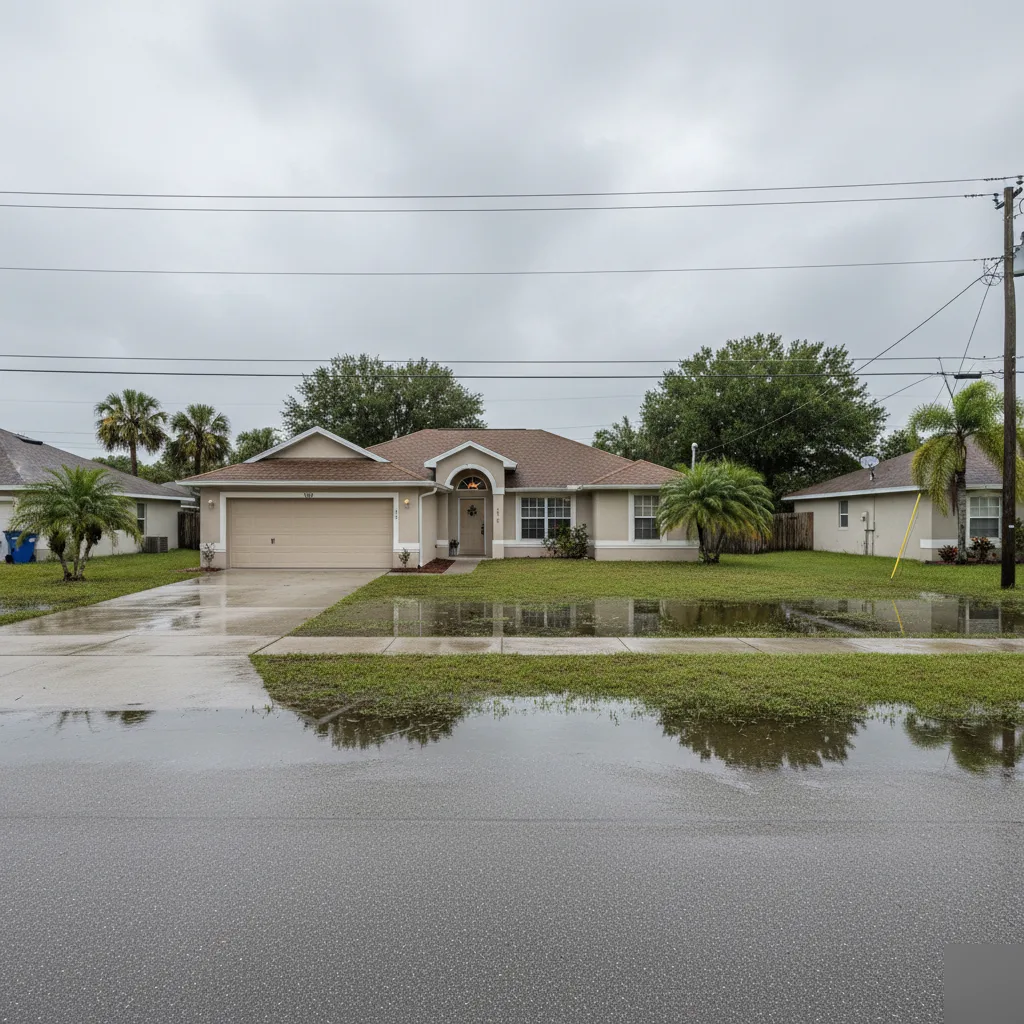
Here's what typically happens. From June right through October, Orlando and the surrounding areas usually see about 7 to 8 inches of rain each month. The ground gets soaked fast. When the soil around your slab can't hold any more water, hydrostatic pressure really builds up. This happens underneath and against your foundation. That pressure then forces moisture right through any tiny crack or gap in the concrete pad. We see this very often in neighborhoods like Tuscawilla and Alafaya Woods. The homes there are often 30 to 40 years old. Their slabs have naturally settled over time.
Where the Water Actually Goes
On a slab home, water doesn't pool in some visible basement pit you can easily spot. It shows up in much sneakier ways, believe us.
- You might notice damp spots or mineral stains along the baseboards, especially near exterior walls.
- Sometimes, there's a musty smell in rooms closest to ground level. Think closets or laundry areas.
- Water can start seeping through the expansion joints in your garage floor. This is a common one.
- Flooring can feel soft or look warped, appearing and disappearing with the changing seasons.
Most folks usually blame these signs on a plumbing leak or just the high humidity we have. Sometimes, it truly is a leak. But other times, it's just groundwater pressure doing exactly what the laws of physics say it will do. And the two problems can look identical until someone runs a proper plumbing leak detection to figure it out.
Why Oviedo's Soil Makes It Worse
Sandy soil drains well in theory, right? That's the general idea people have. But big sections of Oviedo actually have a mix of sand and clay. This is especially true closer to the Econlockhatchee River basin and near Black Hammock. Clay holds water. It swells when it gets wet. That swelling creates way more pressure against your slab than pure sand ever would.
We've been to homes in Oviedo on the Park where the builder did a great job grading the lot, and the drainage is perfectly fine. Then, we'll visit another house just a mile away, maybe in an older part of town. There, the yard might slope right toward the foundation, the downspouts might be dumping water right at the slab edge, and the garage floods every August. Same city, but a totally different drainage story for each home.
So, does your slab home need a sump pump? It depends entirely on what the water is doing around your specific foundation. A sump pump installation gives you a way to actively remove water. It collects near or under the slab before it can cause any real damage. It's not just a tool for basements. It's a water management tool, and our Oviedo climate certainly creates plenty of water to manage.
If you've noticed any of those warning signs during storm season, it's really worth having someone take a look. Brightwater Plumbing of Oviedo can assess your drainage situation. We'll tell you straight whether a sump pump makes sense for your home. Or maybe something else is actually going on. No guesswork. No pressure to buy something you don't need. Just an honest answer from someone who works in these neighborhoods every single week.
Warning Signs That Water Is Getting Under Your Slab
Most homeowners don't really spend much time thinking about what's happening beneath their floors. And that's fair. You can't see through concrete. But water under a slab, it doesn't stay hidden forever. It always sends out signals you can pick up on, if you just know what to look for.
Here's what we consistently see on calls all over Oviedo and Winter Springs. These are the signs when water has been sitting under a slab for days, or even weeks.
The Early Clues
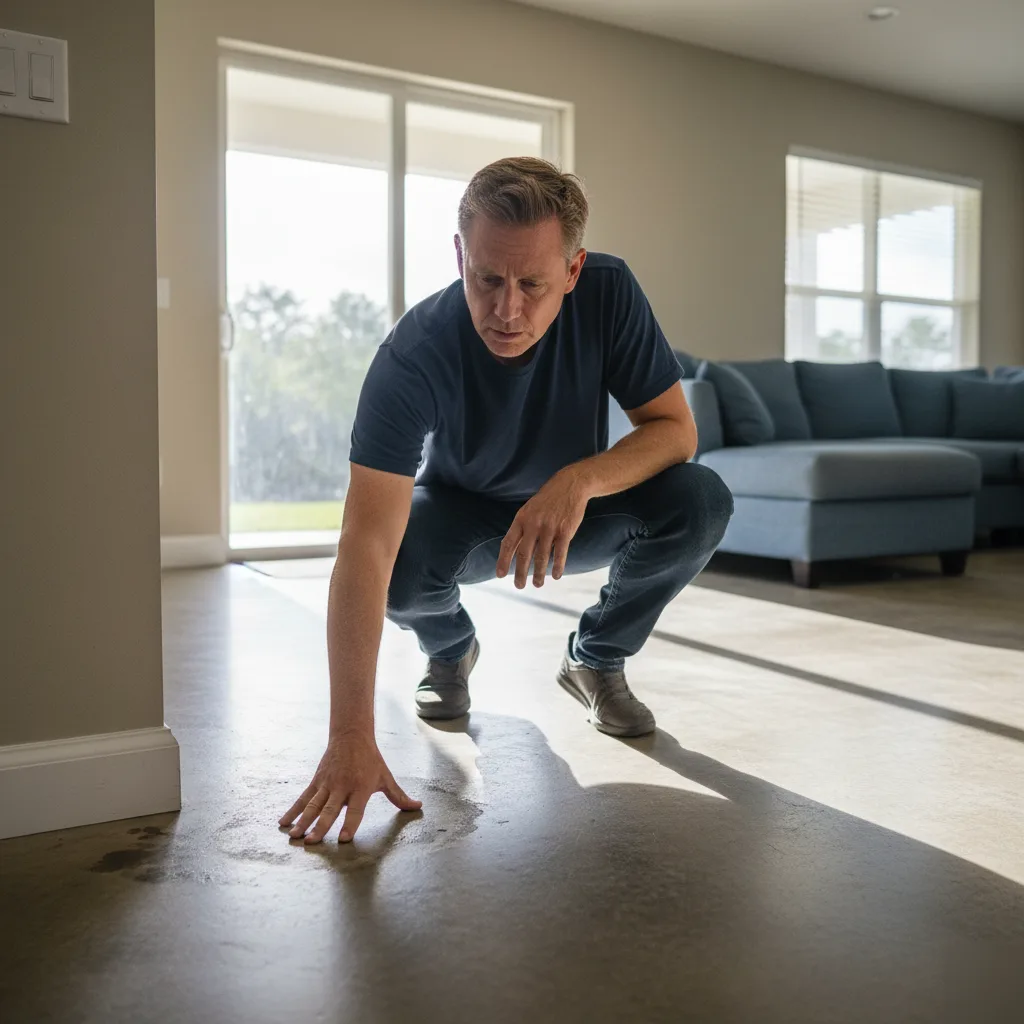
- Warm or damp spots on your floor. You might be walking across your living room barefoot, and one patch of tile just feels noticeably warmer or colder than the rest. That can sometimes mean a hot water line under the slab has cracked. We've found this quite a bit in Tuscawilla homes from the late 80s, where those original copper supply lines have thinned out over years of use.
- A water bill that jumps for no clear reason. Your daily habits haven't really changed, but suddenly the bill climbs an extra $30 or $40 in a single cycle. That's a huge red flag. Even a small crack in a pressurized line can push hundreds of gallons right into the ground before you even notice anything else inside.
- Cracks in your interior walls or baseboards pulling away. Water softens the soil right under your foundation. The slab itself shifts. Then your drywall starts to tell the story. Hairline cracks near door frames are some of the very first visible signs we see.
- The sound of running water when nothing is on. Go into a quiet room. Turn off the TV, silence your phone. If you hear a faint hiss or a trickle, even a quiet drip, something is leaking. It's happening somewhere you just can't see.
Any one of these by itself might have a simple explanation. Two or more together, though? That's when you absolutely need plumbing leak detection done the right way.
What Happens When You Wait
We truly get it. Nobody wants to deal with a slab problem. But waiting just makes everything so much worse.
Water pooling under concrete won't just evaporate away. It spreads. Here in Central Florida's sandy soil, that moisture moves fast. And it takes foundation support with it. We've walked into homes in Alafaya Woods where a small leak went unnoticed for months. By the time the homeowner actually called us, their flooring was buckled. And mold was already growing behind the kitchen cabinets. That's a mess.
That's a situation nobody ever wants to face.
The soil around here in Seminole County is mostly fine sand over clay. Sand drains quickly, which is good. But clay holds water in pockets. So you end up with uneven settling. One corner of your slab might drop a quarter inch, while the rest stays perfectly put. Doors start sticking, you'll notice. Tile grouts crack in lines that truly follow the stress.
A Quick Self-Check You Can Do Today
- Turn off every faucet, appliance, and irrigation timer in your home. Really, every single one.
- Find your water meter. It's usually out near the street, often in a green box.
- Write down the reading. Don't wait.
- Walk away for about 30 minutes. Come back.
- Read it again. If the numbers moved at all, water is going somewhere it shouldn't be.
Now, this simple check won't tell you where the leak is. But it absolutely tells you there is one. And that's the piece of information most people are missing when they call us.
We run into homeowners all the time who say, "I thought it was just the sprinklers." Or, "I figured the meter was off." It almost never is. If you've noticed any of these signs, especially in an older Oviedo home on a slab foundation, don't just sit on it. Brightwater Plumbing of Oviedo handles plumbing leak detection. We can pinpoint what's happening under your foundation before the damage truly gets out of hand. It saves everyone a headache.
Catching it early, that's the whole game.
Get a Free Quote!
Terms and Conditions
Request a Quote
Terms and Conditions
Request a Quote
Terms and Conditions