

Hot Water System Repair in Oviedo
Need hot water system repair in Oviedo? Brightwater Plumbing diagnoses and fixes all system types fast. Licensed techs, lasting results. Call to book today.
Free Estimate
Warning Signs Your Water Heater Needs Professional Attention
You wake up, turn the shower handle, and get hit with cold water. That's the obvious one. But most hot water system repair calls we run in Oviedo start with something quieter. Something you've been ignoring for a few weeks. If you need a full replacement, call your local oviedo hot water system supplier.
Here's what to watch for:
- Rusty or discolored water coming only from the hot side. That points to corrosion inside the tank itself.
- Popping or rumbling sounds when the unit heats up. That's hardened sediment at the bottom of the tank, and Seminole County's hard water makes it happen faster than most places.
- Small puddles or moisture around the base of the unit. Even a slow drip means something's failing inside.
- Water that's warm but never truly hot. A failing heating element or a bad thermostat will do this.
- Your hot water runs out way faster than it used to. Sediment buildup shrinks the usable space inside your tank.
We see that last one constantly in older Tuscawilla homes. The tank looks fine on the outside, the pilot light's burning, but the homeowner can barely get through one shower before it goes lukewarm. It's sediment that's been building for years.
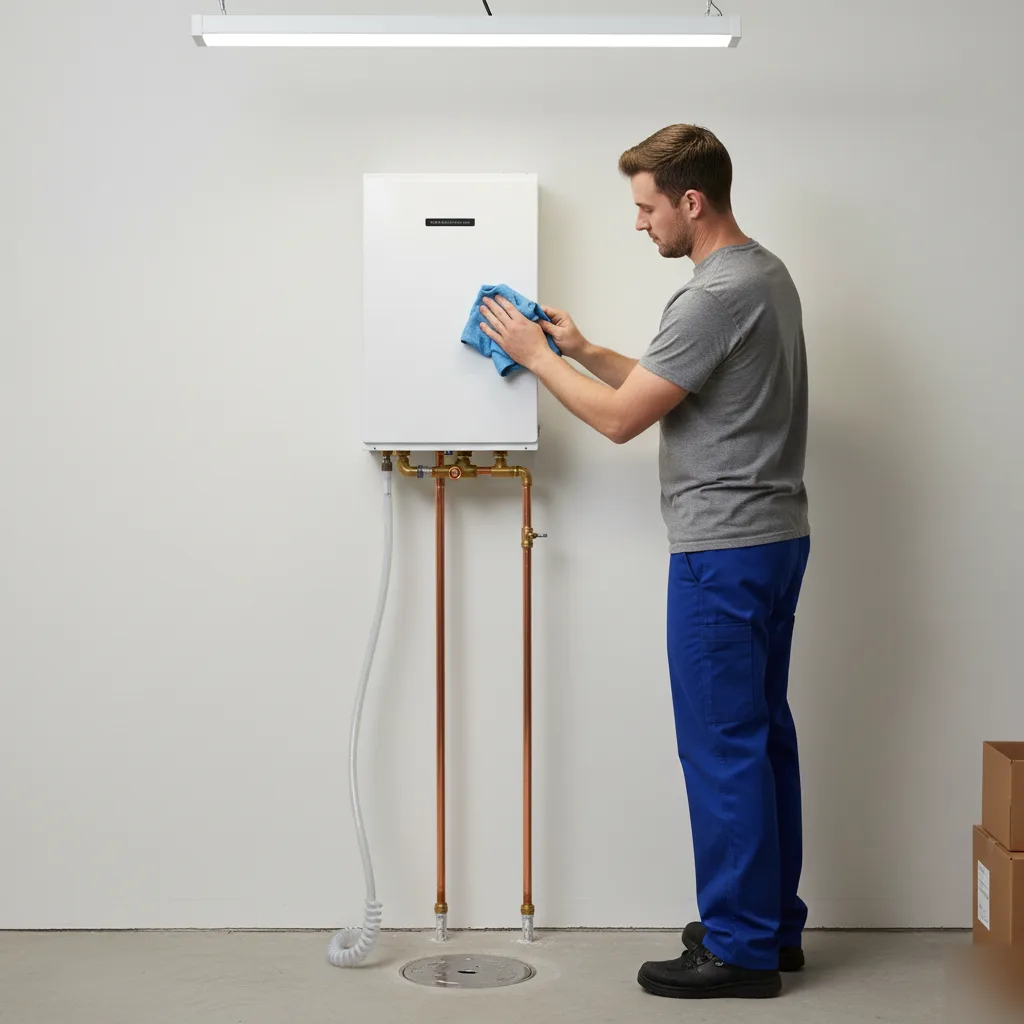
And here's the thing people miss. A small leak at the pressure relief valve doesn't always mean the valve is bad. Sometimes it means pressure inside the tank is too high, which is a bigger problem. Don't just cap it off or ignore it.
One more sign that catches people off guard: your energy bill creeps up with no explanation. A struggling water heater works harder and longer to do the same job. You're paying for hot water you're not getting.
If you're noticing any of these in your Oviedo home, it's worth a call before a small issue turns into a flooded garage. Our team is licensed and insured, we show up the same day when you call before noon, and we'll tell you straight whether it's a repair or something more.
The Most Common Hot Water System Problems We Repair
The call starts the same way. "My water's lukewarm." Or "there's a weird noise coming from the garage." We run hot water system repair calls across Oviedo every week, and the root causes repeat themselves like clockwork.
Here's what we find most often when we open the panel or pull the access cover:
- Failed heating elements. Electric units use upper and lower elements. When one burns out, you'll get water that's warm but never hot. Both go out and you've got nothing.
- Bad thermostat. The element might be fine, the thermostat just stopped telling it to fire. We test both before replacing anything.
- Sediment buildup in the tank. Seminole County water is hard. Minerals settle at the bottom of your tank and form a thick layer that insulates the water from the burner or element. You hear popping, rumbling, or knocking sounds. That's sediment.
- Leaking pressure relief valve. The T&P valve on the side of your tank is a safety device. When it drips constantly, it either needs replacement or something else is driving pressure too high.
- Pilot light or ignition failure. Gas units in older Tuscawilla homes still use standing pilot lights. Newer ones use electronic ignition. Either way, when it won't light, you've got no hot water.
We see a lot of homeowners in Oviedo try to diagnose these issues with YouTube videos. Sometimes that works. But a water heater involves electricity, gas, or both, plus pressurized water. That's not a great combination for guesswork.
One thing we notice constantly is how long people wait. You'll put up with lukewarm showers for weeks before calling. By that point, a simple element swap has turned into corrosion damage inside the tank. The fix gets bigger the longer you sit on it.
Our team checks every component during a repair visit, not just the obvious one. A failed element today could mean a thermostat that's been running too hard for months. We'd rather catch both now than come back in six weeks. That's how Brightwater Plumbing handles it.
Repair or Replace: How to Make the Right Call
This is the question we hear more than any other. Your hot water system isn't working right, and now you're stuck wondering if it makes sense to fix it or start fresh. Honest answer? It depends on a few things, and we'll walk you through them the same way we do on the job in Oviedo.
Age matters most. A standard tank water heater has a useful life of about eight to twelve years. If yours is past the ten-year mark and giving you trouble, a repair might just be a bandage on a bigger problem. But if it's five years old and a heating element failed, that's a straightforward fix. We see this all the time in Tuscawilla and Alafaya Woods, where homes from the 1980s and 1990s still have their original units running on borrowed time.
Here are the signs that usually point toward replacement rather than repair:
- Rusty water coming from the hot side only
- Visible corrosion or bulging on the tank itself
- Multiple repairs in the last two years
- The unit can't keep up with your household's hot water demand anymore
Problems like a faulty thermostat, a broken dip tube, or a bad pressure relief valve are solid candidates for repair. These parts wear out. That's normal. Replacing them can buy you several more good years from a system that's otherwise healthy.
One thing we always check is the anode rod. It's a metal rod inside the tank designed to attract corrosion so your tank doesn't rust from the inside out. Seminole County's hard water chews through anode rods faster than you'd expect, so if yours is gone and the tank lining is already damaged, repair won't save it.
We don't push replacements when a repair makes sense. And we won't patch something together just to collect a service call if the unit is clearly done. Brightwater Plumbing of Orlando is family-owned, the owner's name is on the truck, and that means we give you the same advice we'd give our own family. Not sure which direction to go? Give us a call and we'll help you figure it out.
What Happens During a Hot Water System Repair Visit
You called. We're on the way. But what actually happens when we show up? Most folks in Oviedo have never watched a hot water system repair from start to finish, so here's the honest breakdown.
We don't walk in guessing.
Our licensed plumber starts with a conversation. What changed? When did the water go cold? Any strange noises or leaks? Your answers save time and point us in the right direction fast. More often than not, the homeowner noticed something days before the real failure hit. That detail matters more than you'd think.
The Step-by-Step Process
Once we have the full picture, we move through a clear sequence:
- Shut off power or gas to the unit and confirm it's safe to work on.
- Inspect the tank, connections, and relief valve for visible damage or corrosion.
- Test the heating elements or burner assembly depending on your system type.
- Check the thermostat settings and wiring for faults.
- Flush sediment if buildup is part of the problem. Seminole County hard water makes this a common issue.
- Replace the failed part, test the system, and verify hot water is flowing at every fixture.
The whole visit usually runs one to two hours for a standard repair. Sometimes less. We see a lot of element failures in homes around Tuscawilla and Alafaya Woods where the original units are hitting that 10- to 12-year mark. Sediment from our local water supply coats the bottom of the tank, the lower element works harder, and eventually it burns out.
Before we leave, we run hot water at your kitchen sink and a bathroom faucet. We check for leaks at every connection we touched. And we walk you through what we found, what we fixed, and whether your system has more life in it or you should start thinking about a water heater installation down the road.
No mystery. No mess left behind. We treat your Oviedo home the way we'd treat our own, because the owner's name is on the truck and we plan to keep it that way.
Protecting Your Water Heater in Oviedo's Hard Water Environment
Oviedo's water is hard. Really hard. Mineral deposits build up inside your tank every day, coating the heating elements and lining the bottom with a thick layer of calcium and sediment. That buildup is the number one reason we get called out for hot water system repair in homes that aren't even that old.
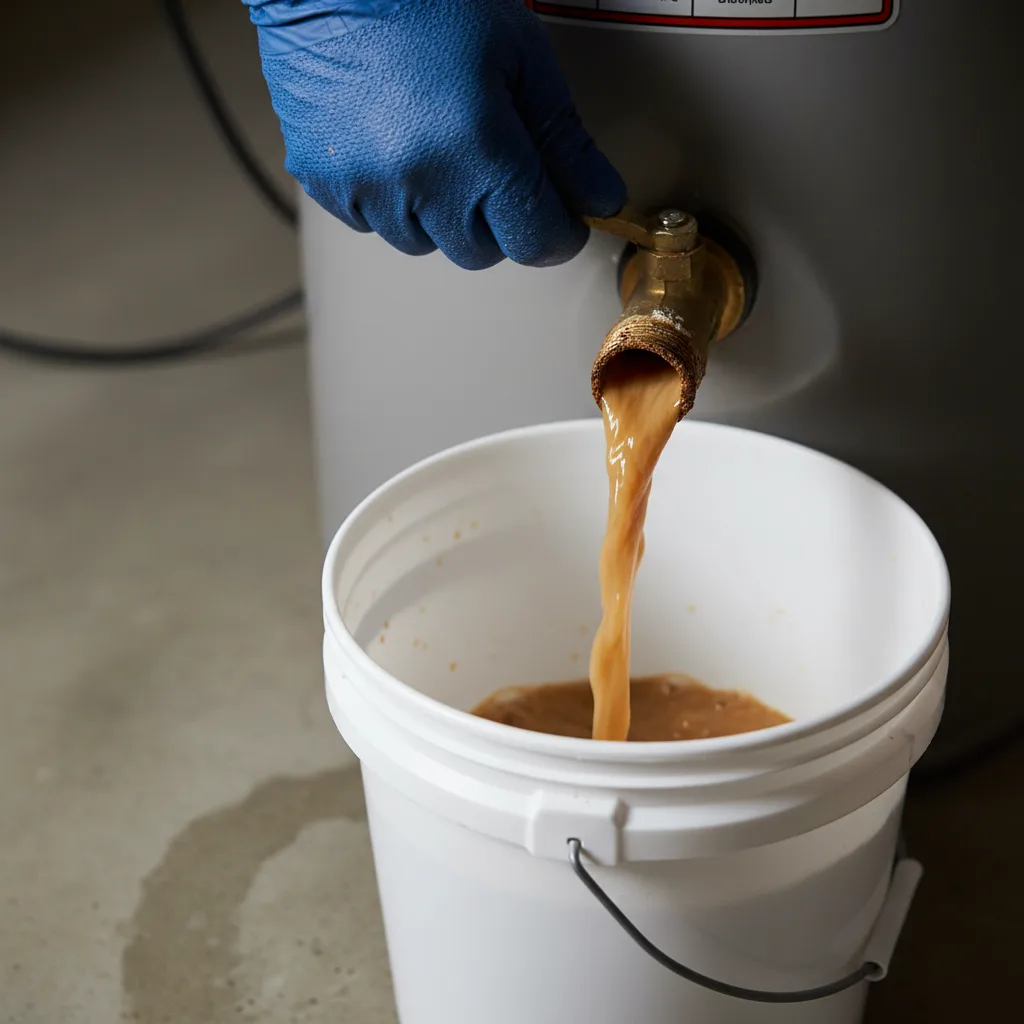
Here's what hard water actually does inside your unit. The minerals in the water settle to the bottom of the tank and form a crust. Your heating element has to work through that layer just to warm the water. So it runs longer, works harder, and wears out faster. You end up paying more on your electric bill for water that's barely warm enough.
We see this constantly in Tuscawilla and Alafaya Woods, where homes from the 80s and 90s still have original water heaters that have never been flushed. The tank is half full of sediment by the time we open the drain valve.
A few things you can do to protect your system in Oviedo:
- Flush your tank once a year to clear sediment before it hardens
- Check the anode rod every two years, hard water eats through them faster than normal
- Consider a water softener installation if your fixtures already show white scale buildup
- Listen for popping or rumbling sounds from the tank, that's sediment cooking on the element
That popping noise is one we hear about on almost every call. People think the tank is about to blow. It's not. But it is telling you the sediment layer is thick enough to trap water underneath it, and that trapped water is boiling against the tank floor. Left alone long enough, it'll crack the element or warp the bottom of the tank itself.
According to the U.S. Geological Survey, Central Florida groundwater ranks among the hardest in the country. That's not something you can ignore and hope for the. Brightwater Plumbing handles these repairs across Oviedo every week, and the pattern is always the same. A little prevention goes a long way. Skip the annual flush, and you're looking at a repair call two or three years sooner than you should be.
If your unit is already showing signs of scale damage, don't wait for a full failure. A repair now costs a fraction of an emergency replacement later.
Get a Free Quote!
Terms and Conditions
Request a Quote
Terms and Conditions
Request a Quote
Terms and Conditions
Frequently Asked Questions
Brightwater Plumbing provides expert plumbing services in Orlando, including leak repair, drain cleaning, water heaters, repiping, and more.
How quickly can you get someone out for hot water system repair in Oviedo?
We offer same-day service when you call before noon. Most hot water repair calls in Oviedo get a technician on-site within a few hours of booking. We know cold showers don't wait, and neither should you. When you call, we'll confirm the arrival window right away so you're not sitting around guessing. No hot water means your whole morning routine is off, and we treat it that way.
Why does my water heater make popping and rumbling noises in my Oviedo home?
That noise is almost always sediment buildup at the bottom of your tank. Oviedo and Seminole County have hard water, which means minerals settle and harden inside the tank over time. The popping sound happens when water tries to push through that hardened layer during heating. Left alone, it shrinks your usable hot water capacity and makes the unit work harder. A flush can help early on, but heavy buildup sometimes means the tank is past saving.
Why does Oviedo's water affect water heaters faster than other arIs a dripping pressure relief valve on my water heater a big deal?eas?
Yes, and it's one of the most misunderstood signs we see on Oviedo repair calls. A dripping T&P valve doesn't always mean the valve itself is bad. Sometimes it means pressure inside the tank is running too high, which is a more serious problem. Capping it off or ignoring it is not safe. We test the valve and check tank pressure before deciding on the fix. This is not something to wait on.
What should I expect when the technician arrives for a water heater repair?
Your technician will inspect the full system, not just the part that seems broken. We check the heating elements, thermostat, pressure relief valve, anode rod, and connections before touching anything. You'll get a clear explanation of what we found and what it takes to fix it. No surprise add-ons. If we spot something else wearing out, we'll point it out so you can decide what to do, not pressure you into it.
My water heater is over ten years old and needs a repair — should I fix it or replace it?
If your unit is past ten years and already showing problems, a repair is often just a short-term fix. We see this regularly in Tuscawilla and Alafaya Woods, where homes from the 1980s and 1990s still have original units running on borrowed time. A failed heating element on a five-year-old tank is worth repairing. The same problem on a twelve-year-old tank with rust or corrosion usually means replacement makes more financial sense.
Can hard water in the Oviedo area really damage my water heater faster?
It absolutely can, and we see the proof on almost every repair call in Seminole County. Hard water leaves mineral deposits that build up inside the tank and wear down the anode rod faster than in softer water areas. The anode rod is what protects your tank from rusting from the inside out. Once it's gone and the tank lining is already damaged, no repair will save it. Regular maintenance, including anode rod checks, goes a long way in this area.