

How Do Plumbers Detect Hidden Leaks? Professional Techniques Revealed in Winter Garden
Discover professional techniques plumbers use to detect hidden leaks. Learn essential DIY tools and when to call experts in Winter Garden, FL.
Free Estimate
Why Hidden Leaks Are Hard to Find Without Professional Tools
When most people think of a leak, they picture a puddle. That's the easy one. The real troublemakers, though, are the hidden ones. These are the leaks you can't see, you can't hear, and you won't even know they're there until your water bill skyrockets. Or until your drywall starts to bulge.

Here's a truth most homeowners don't consider. Your plumbing snakes behind walls, burrows under concrete slabs, and often runs through crawl spaces. You're not going to just wander in there for a quick look. A tiny pinhole in a copper pipe, tucked behind your bathroom tile, can drip for many months. And it feeds mold growth that whole time.
What Makes These Leaks So Sneaky
Water is tricky. It doesn't always go straight down. It follows gravity's path, along pipes, joists, and any wood framing. A leak starting in one spot can show damage ten feet away. We see this happen constantly in Winter Garden homes built on concrete slabs. The water just travels under the foundation. Then it pops up in a completely different room, sometimes far from the source. This can be really frustrating for homeowners.
That misdirection is why DIY leak detection can drive you crazy. You might rip into a wall where you spot a stain. Only to find bone-dry pipes. The actual leak could be around a corner, or even above you in the ceiling.
Several things make hidden leaks nearly impossible for the average person to find without our specialized equipment:
- Pipes buried in concrete slabs offer absolutely no visual clues from the surface.
- Water seeks the easiest way out, often moving far from where the leak actually began.
- Slow drips produce less than a gallon a day. Not enough for visible pooling.
- Insulation inside your walls soaks up moisture. This masks the problem for weeks, sometimes months.
By the time a water stain appears on your ceiling or your baseboard, the leak has likely been going for a long time. The Environmental Protection Agency tells us household leaks waste a staggering one trillion gallons of water annually across the country. That's not just big, dramatic pipe bursts. Most of that comes from small, hidden leaks, probably like the ones hiding in walls right now in many Orlando homes.
Why Your Eyes and Ears Aren't Enough
You might think you'd hear a leak. Sometimes, yes, you can. But a slow drip inside a wall cavity, all wrapped in insulation? Totally silent. A slab leak under six inches of concrete? You'd need a superpower to hear that.
And your eyes? They won't help much either. The visible signs of a hidden leak are often tiny. A floor that feels just a little warm. A faint, musty smell in one corner of your house. Paint that's just starting to bubble ever so slightly. These clues are very easy to brush off. Or to blame on Florida's relentless humidity, which is always an easy excuse.
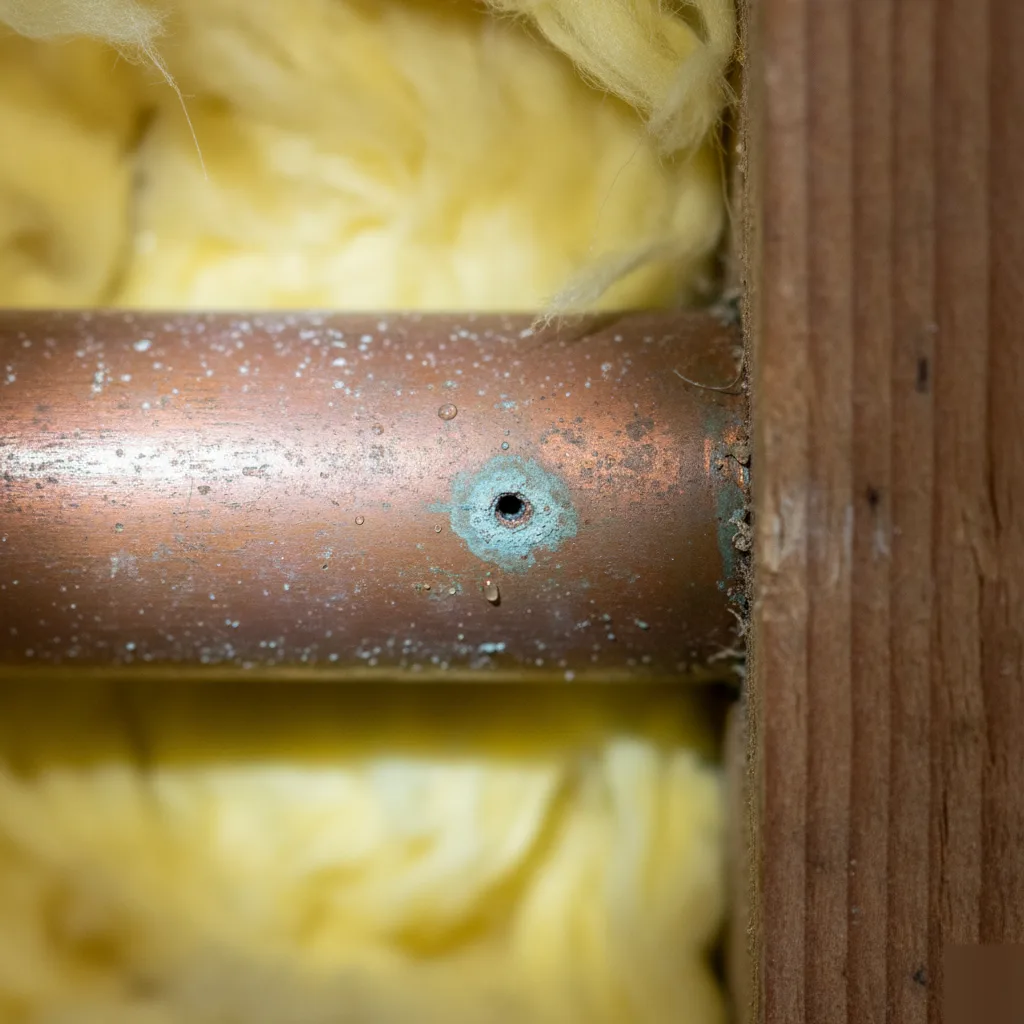
We've had customers near the Fowler Groves area in Winter Garden who told us they just figured their high water bill was because they were running the sprinklers more. Turned out, a supply line under their slab had been steadily leaking for three months. The only real hint was a slightly warm spot on the floor. That was it.
Professional leak detection tools exist for a reason. Human senses simply can't do this job. Our acoustic listening devices crank up the sound of water escaping a pipe. They can even hear it through solid concrete. Thermal imaging cameras show us temperature differences behind walls. Your hand would never feel these. Electronic line locators help us map out pipe routes. Then exactly where to look.
Without these specialized tools, finding a hidden leak becomes a complete guessing game. And guessing means cutting open walls, or maybe even jackhammering floors. Or digging up yards. All while hoping you'll stumble onto the problem. That's messy, expensive, and usually wrong on the first try. It’s a lot of wasted effort and money.
The Cost of Waiting
Hidden leaks never get better. Only worse.
A slow leak wasting a few gallons a day won't stay slow forever. Corrosion spreads fast. Pipe joints weaken. What starts as a minor drip can quickly become a major failure. The kind that floods an entire room overnight.
But the water damage isn't even the biggest worry. Mold is the real threat. In Central Florida's warm, humid climate, mold can start growing within 24 to 48 hours of moisture exposure. Behind a dark wall, with no airflow, those conditions are perfect. By the time you catch that musty odor, the mold colony is already well-established.
We've personally seen cases where a homeowner overlooked a slightly elevated water bill for six months. When we finally got the call, the leak had caused serious structural damage to floor joists. And a mold problem that demanded professional remediation. The plumbing fix itself? That was straightforward. Everything else, not so much.
If you suspect something's off with your water usage, or you've noticed any subtle warning signs, don't wait. Don't let the problem announce itself with a burst pipe. Our professional leak detection services in Winter Garden use the right tools. We find these problems fast, before they turn into something much bigger and costlier.
The plain truth is simple. Hidden leaks are designed to stay hidden, at least from your normal senses. Our Professional tools bridge that gap. They show us what's really happening inside your walls, under your slab, and throughout your plumbing system. You deserve that peace of mind.
Acoustic Leak Detection: How Plumbers Listen for Leaks
When water pushes through a cracked pipe, it makes a sound. You can't hear it standing in your kitchen. But a trained plumber with the right equipment can pick it up. They can hear it through concrete, tile, and even soil. Acoustic leak detection is one of the most dependable ways we find hidden leaks without tearing apart your home. Our professional leak detection services are designed to protect your home.
Here’s the basic idea. When water escapes a pressurized pipe, it creates sound waves. Those waves travel through the pipe material itself. Then they move into the ground or the walls around it. The sound changes depending on the pipe size. The water pressure also matters. And what's surrounding the pipe. A leak under a concrete slab in Winter Garden sounds different than one in a copper line inside a wall cavity. It's a precise science.
The Equipment Behind the Technique
Our plumbers use two main tools for acoustic leak detection. We have ground microphones and electronic listening devices. Ground microphones amplify sounds. These sounds come up through your floors and slabs. The plumber puts the sensor on the surface. They slowly move it across the area. When the sound gets louder, they know they're getting closer to the leak. It’s like a treasure hunt, but for water.
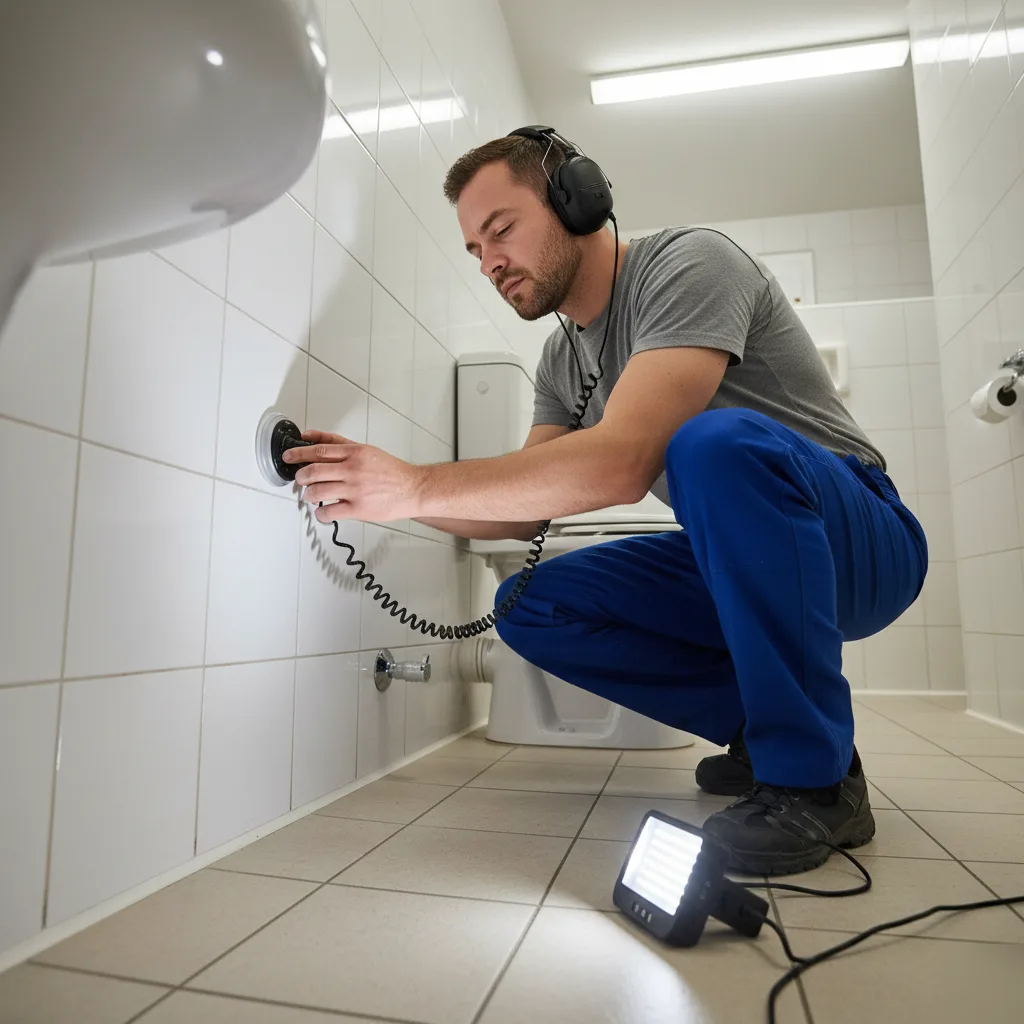
Electronic listening devices work on pipes that are exposed. The plumber attaches a sensor directly to a pipe fitting or a valve. The device filters out background noise. Then it isolates the specific frequency range of escaping water. We use these tools regularly on homes near the Fowler Groves area. We use them all throughout Winter Garden. Older slab foundations are very common there, so this technique is key.
The technology has become incredibly sensitive over the years. According to the American Water Works Association, acoustic methods can detect leaks in pipes buried several feet underground. That's a big deal here in Central Florida. Many of our water lines run beneath thick concrete slabs, sometimes quite deep. It's not just guesswork anymore.
What the Plumber Actually Does
Most people just picture someone holding a device to the floor. It’s actually much more involved than that. Here’s what a typical acoustic leak detection process looks like when our crew comes out:
- Our plumber shuts off all water fixtures in your home. This eliminates any noise interference.
- They identify all accessible pipe connection points. Things like valves, cleanouts, and hose bibs.
- Electronic sensors get attached to these points. This establishes a baseline sound reading for your system.
- The plumber systematically scans the floor or ground surface. They use a ground microphone. They mark any areas where the sound intensity increases.
- They compare readings from multiple points. This helps us triangulate the leak's exact position.
- Once the loudest point is confirmed, they mark the spot. That's where we'll need to access for the repair.
The whole process can take anywhere from thirty minutes. Or it could be a couple of hours. It just depends on the size of your home. It also depends on how many potential leak points we need to check. We've done acoustic scans on homes in the Stoneybrook West neighborhood that took less than an hour. And then others on larger properties near downtown Winter Garden. Those sometimes needed a full morning of careful scanning.
Why Sound Tells the Real Story
A high-pitched hissing sound usually points to a small crack. It’s under high pressure. A low rumble, however, often suggests a bigger break. Gurgling sounds might mean the water is pooling somewhere underground before it even surfaces. Each distinct sound pattern tells our plumber something important. It tells us about the leak's size and its overall severity. This helps us plan the repair efficiently.

And here’s something else most folks don’t realize. The pipe material changes everything about the sound. Copper pipes transmit leak sounds over very long distances. PVC pipes, on the other hand, absorb more of the vibration. So, the plumber has to get much closer to the actual leak point with those. Many homes here in Winter Garden, built in the 1990s and 2000s, often use CPVC or PVC lines. This means our acoustic scan needs to be more precise. It's a methodical process.
Background noise is the biggest challenge we face. Air conditioning units. Pool pumps. The traffic humming on Plant Street. All of it interferes with our equipment. That's why our experienced plumbers prefer to run acoustic tests during quieter times. When possible, that is. We see the best, most Professional results early in the morning. Before the whole neighborhood really wakes up. It just helps us zero in.
When Acoustic Detection Works Best
This method truly shines in specific situations. Not every leak requires it, no. But when it's the right fit, nothing works better.
- Slab leaks. That's where the pipe runs beneath a concrete foundation.
- Underground water lines. These are between your water meter and your house.
- Leaks inside walls where you can't get a visual view.
- Situations where your water bill spikes. But there’s no visible water damage anywhere.
If you've noticed warm spots on your floor, or your water meter just keeps spinning with everything turned off, acoustic detection is probably the first tool our plumber will grab. It’s non-invasive. No holes drilled, no walls opened, just to search for a phantom leak.
But acoustic detection does have some limits. Very slow drips sometimes don't make enough sound. And leaks in areas with heavy ambient noise can be very tricky to isolate. That’s when our plumbers combine acoustic methods with other techniques. We might use thermal imaging, or even video inspection. That helps us confirm our findings. It ensures we get it right the first time.
If you suspect a hidden leak in your home, understanding these methods gives you a real advantage. You’ll know what to expect. And what questions to ask. For a closer look at all the ways we track down leaks in Winter Garden homes, visit our professional leak detection services to see how we can provide a dependable solution for you.
Get a Free Quote!
Terms and Conditions
Request a Quote
Terms and Conditions
Request a Quote
Terms and Conditions
Frequently Asked Questions
Common questions about how do plumbers detect hidden leaks? professional techniques revealed services
How do plumbers find leaks behind walls without tearing them open?
Plumbers use specialized tools like acoustic listening devices and thermal imaging cameras to find leaks without opening walls. Acoustic devices amplify the sound of water escaping a pipe, even through concrete. Thermal cameras show temperature differences behind drywall that your hand would never feel. These tools let us pinpoint the exact spot before we ever touch a wall. You save time, money, and a lot of unnecessary mess.
Does Winter Garden's climate make hidden leaks worse?
Winter Garden's warm, humid climate makes hidden leaks more damaging than in drier areas. Mold can start growing within 24 to 48 hours of moisture exposure here in Central Florida. Behind a dark wall with no airflow, conditions are perfect for mold to spread fast. Many homes in the Winter Garden area also sit on concrete slabs, which makes slab leaks harder to spot and easier to ignore. Acting quickly matters more here than in cooler, drier climates.
When should you call a plumber instead of trying to find a leak yourself?
Call a plumber if your water bill is rising with no clear reason, you smell something musty, or you notice a warm spot on your floor. These are signs of a possible slab or wall leak that DIY methods simply can't find. Without professional tools, you're guessing. Guessing means cutting open walls or jackhammering floors and often getting it wrong. If anything feels off, it's better to get a professional assessment fast before a small drip becomes a major repair.
Can a hidden leak really go unnoticed for months?
Yes, hidden leaks can go unnoticed for months, sometimes longer. A slow drip inside an insulated wall cavity is completely silent. The water travels along joists and framing, often showing up far from where the leak started. Many homeowners in Winter Garden blame high water bills on sprinkler use or Florida's heat. By the time a stain appears on your ceiling, the leak has usually been active for a long time. Early detection saves serious damage.
What's a common mistake homeowners make with suspected leaks?
A common mistake is opening the wrong wall based on where a stain appears. Water doesn't travel straight down. It follows pipes, wood framing, and gravity's path, sometimes moving ten feet or more from the actual leak. You might cut into drywall and find completely dry pipes. The real source could be around a corner or above you. Our leak detection services in Winter Garden use acoustic and thermal tools to find the true source before any wall gets opened.
Is a high water bill always a sign of a hidden leak?
A high water bill is one of the most common early signs of a hidden leak, but it is not the only cause. Sprinkler issues, running toilets, or dripping faucets can also raise your bill. However, if your usage habits haven't changed and your bill keeps climbing, a hidden leak is a strong possibility. The EPA estimates household leaks waste one trillion gallons of water annually nationwide, with most coming from small, slow leaks just like the ones that hide in walls and slabs.