

How does Oviedo's climate affect my pipes and leak risk?
Oviedo's Humid Subtropical Climate Creates Year-Round Pipe Stress
Free Estimate
If you've ever wondered how Oviedo's climate messes with your pipes and the chance of a leak, here's the quick answer: it never quits. We don't catch a break. Our humid subtropical weather puts constant strain on your plumbing system all year long, and the way it does it shifts with the seasons. Most folks figure pipe trouble only comes from freezing weather. Up north, that's certainly true. But here in Oviedo, the threats are different, and they chew away at your system just as hard over time.
Heat and Humidity Do the Quiet Damage
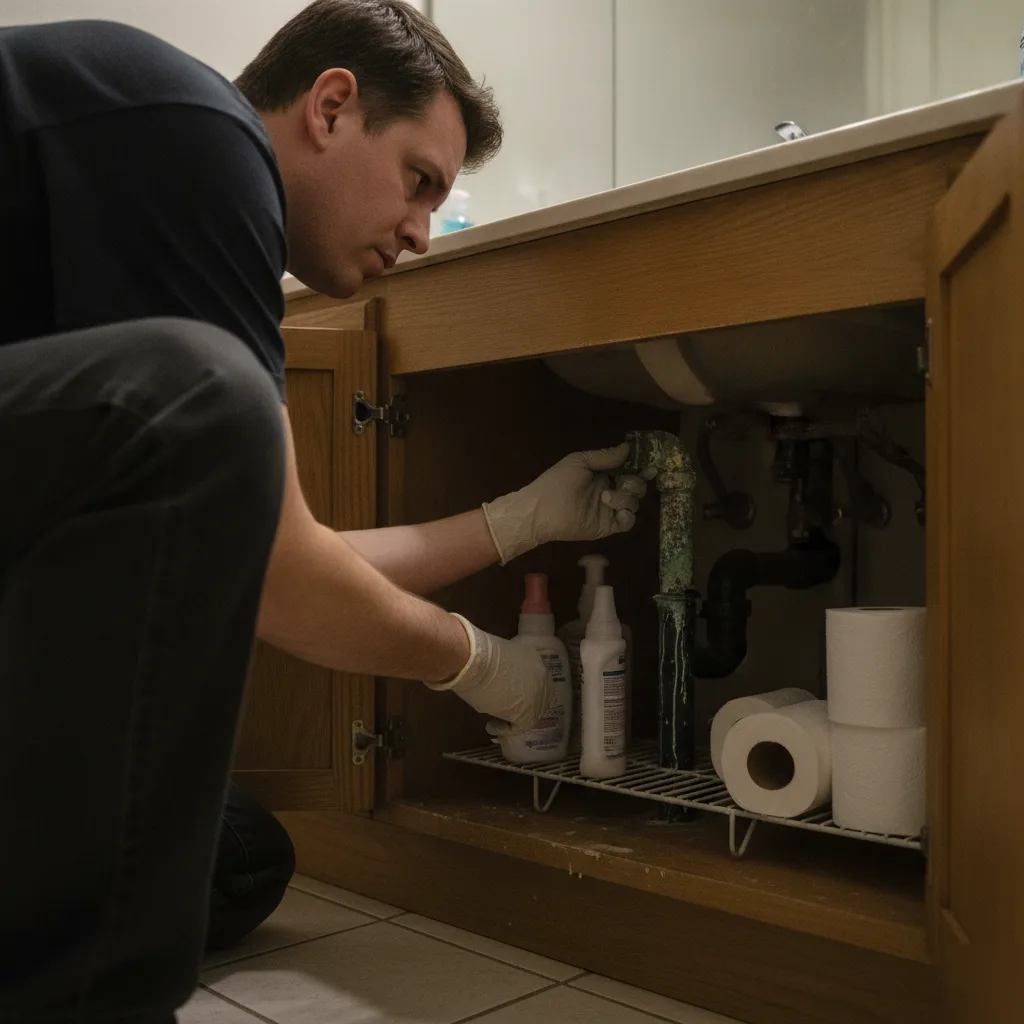
Summer in Oviedo means the ground stays hot for months. The soil around your home pushes out. That shifting dirt presses against buried pipes, your water main, your sewer lines. Slowly, joints loosen. Little cracks pop up. You won't spot this happening, but we consistently find the proof during plumbing leak detection calls in Oviedo all summer long. Humidity plays its own part. Exposed pipes in crawl spaces, under kitchen sinks, they're always collecting condensation. That moisture just sits on metal fittings, speeding up rust. We've pulled copper pipes from homes in Tuscawilla that looked decades older than they were. The humidity wore them out fast. And then there's the rain. Oviedo gets over 50 inches of rain most years. Heavy summer storms just dump water into the ground quickly. This soaks the soil around your foundation and loads up your drain lines and sewer hookups. Homes near Black Hammock and those low-lying spots in Alafaya Woods, you feel this the most.
Winter Brings a Different Kind of Stress
Our winters are mild, a lot easier than most of the country. But mild doesn't mean no worries. Overnight dips into the 30s and 40s still make pipes pull in. Then, during the day, temps shoot back up into the 60s or 70s. That expansion and contraction just cycles, night after night through January and February. Over time, those temperature shifts wear out joints and connections. We see a real jump in plumbing pipe repair calls every February, right after a stretch of cold nights. The pipes didn't freeze. They just got tired of flexing. Homes with older galvanized or polybutylene pipes are the most likely to have issues. Those materials simply don't handle constant movement well. If your place in Remington Park or Oviedo on the Park was built before the mid-1990s, you really should pay attention to this.
Hard Water Makes Everything Worse
Central Florida's water carries a lot of minerals. That hard water leaves calcium and lime inside your pipes, year after year. The gunk narrows the pipe opening, bumps up water pressure in certain spots, and makes weak points where leaks finally start. Here's what we see all the time:
- Mineral buildup clogging hot water lines near the water heater.
- Rusty valve seats on faucets that are just a few years old.
- Deposits cracking older pipe joints from the inside.
- Slow water flow that folks blame on the city, but it's really their own pipes.
A water softener installation can seriously slow this whole process. But if the pipes are already shot, you're looking at plumbing leak detection to find the problem spots, then plumbing pipe repair to fix them up. The climate here won't give your pipes a break. Summer heat, heavy rain, winter temperature swings, hard water, it's all running through the system every single day. It adds up. Most homeowners don't think about their pipes until something bursts, we totally get that. But understanding what Oviedo's weather does to your plumbing is the first step in catching small problems before they become big headaches.
Florida's Heat and Humidity Speed Up Pipe Corrosion Inside and Outside Your Home
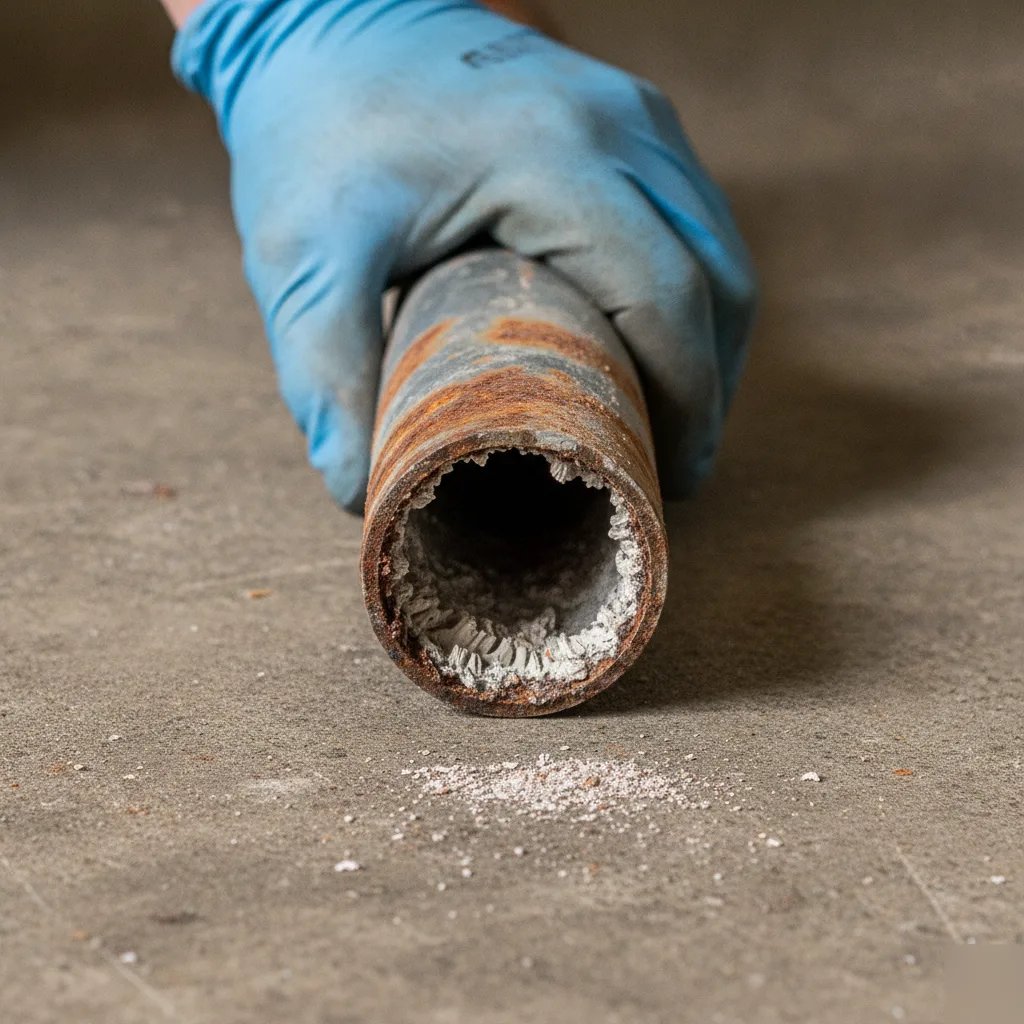
Heat does something to metal pipes most people don't think about. It makes chemical reactions go faster. And in Oviedo, with summer temperatures sitting above 90 degrees for months, those reactions are running at full speed. The copper and galvanized steel pipes tucked inside your walls don't get a moment's rest. Here's what goes down. Warm water moving through copper pipes reacts with the minerals in our local water supply. That reaction slowly eats away at the inside of the pipe. It's called corrosion, and it's the quiet culprit behind most pinhole leaks we find during plumbing leak detection calls in neighborhoods like Tuscawilla and Alafaya Woods. It's truly a constant battle. But it's not just the heat inside your pipes. The humidity outside your home matters too. Seminole County averages about 74% relative humidity all year. That moisture just sits on exposed pipes in crawl spaces, garages, and under sinks. Metal plus moisture equals rust. Simple as that.
What Corrosion Looks Like Before a Leak Starts
We spot the tell-tale signs constantly on our service calls. Most people don't know their pipes are corroding until water suddenly appears where it shouldn't. But you can catch some clues early:
- Green or blue-green spots on copper pipes or around the connections.
- Rusty color on galvanized steel pipes, especially at the joints.
- Tiny bumps or pits on the surface of any exposed pipes.
- Water that looks slightly brownish or tastes a bit metallic.
If you see any of these, your pipes are sounding an alarm. The corrosion has already begun, it just hasn't punched through yet.
Older Homes Get Hit the Hardest
Plenty of homes in Oviedo were built back in the 1980s and 1990s. Many of those original pipes are still working behind the walls. Thirty or forty years of Florida heat and hard water really wear down copper and galvanized lines. We've pulled pipe sections from homes in Remington Park that looked fine from the outside, but were paper-thin inside. That's the sneaky thing about corrosion. You can't always see it., this is the part most people overthink. Newer homes in communities like Oviedo on the Park often use CPVC or PEX piping. These materials resist corrosion better than metal pipes. But the fittings and connections can still be weak points, especially brass fittings exposed to our mineral-rich water.
Why This Matters for Your Leak Risk
Corroded pipes don't just look bad. They break. A pipe that's been thinning for years can spring a tiny leak behind a wall. You might not even notice it for weeks. By then, you're dealing with water damage, mold, and a much bigger mess than a straightforward plumbing pipe repair. So what's the plan? Start by figuring out what's in your walls. If your home is over 20 years old, a plumbing leak detection check can show you where corrosion is building before it becomes a leak. And if you're already seeing signs of corroded pipes around the house, a repiping service swaps those old lines for materials made to handle our climate. We run into this exact situation at least a few times every month. A homeowner calls about a small wet spot on a wall. We open it up and find a corroded copper line that's been failing slowly for years. The Florida heat and humidity didn't cause the problem in one day, they just never gave the pipes a chance to recover. If you want a clear picture of your home's total leak risk, our plumbing leak detection page explains what we look for and how we find problems before they get expensive.
Oviedo's Rainy Season Puts Underground and Slab Plumbing Under Pressure
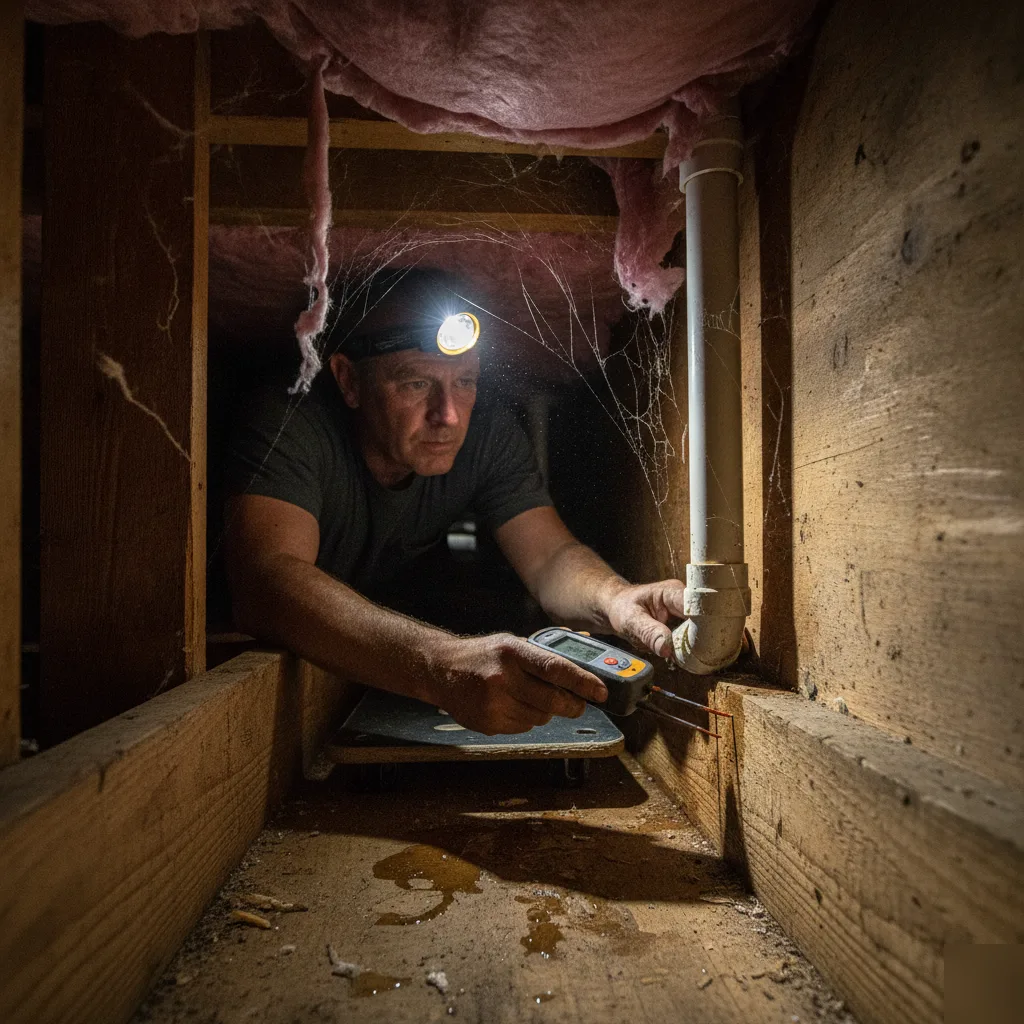
From June through October, Oviedo gets soaked. We're talking 50-plus inches of rain in a normal year, with most of it falling in those five months. That's a huge amount of water pushing into the ground around your home's foundation. And if you have pipes running under a concrete slab or buried in your yard, that water is working against them every single day of the rainy season. Here's what really happens underground. The sandy soil we have in Seminole County soaks up water fast, but it also shifts quickly. During big summer storms, the ground swells. Then a dry spell hits, and it shrinks. That constant back-and-forth movement stresses buried pipes. Over time, joints separate. Small cracks appear. A tiny leak becomes a big, costly one. We notice this pattern every year in neighborhoods like Alafaya Woods and Tuscawilla, especially where homes built in the 1980s and 1990s still have their original copper or polybutylene pipes under the slab. Those older materials just don't handle ground movement well after 30-plus years of our climate.
How Saturated Soil Creates Slab Leak Risk
Slab leaks are tricky. Your pipes sit inside or just below the concrete foundation. When the soil around your slab gets soggy, it expands and presses against the concrete. That pressure gets pushed right onto your pipes. A joint that looked fine in March can start weeping by August. The signs aren't always obvious at first glance:
- Warm or damp spots on your floor, especially on tile.
- A water bill that slowly climbs without a good reason.
- The sound of running water when nothing is turned on.
- Small cracks in baseboards or walls near the foundation.
Most people don't realize they have a slab leak until the damage has been building for weeks. By then, you might be dealing with mold under the flooring or a weakened foundation. Early plumbing leak detection keeps you from that kind of mess.
Your Yard Pipes Take a Beating Too
It's not just what's under your slab. The irrigation lines, outdoor hose bibs, and water supply lines running through your yard all take a hit during rainy season. Saturated ground shifts and settles. Roots from Oviedo's mature trees — especially in older neighborhoods near Black Hammock — push into pipe joints looking for water. For more info, check out the EPA's water conservation and leak tips.
Get a Free Quote!
Terms and Conditions
Request a Quote
Terms and Conditions
Request a Quote
Terms and Conditions