

How long does a sump pump installation take in Oviedo?
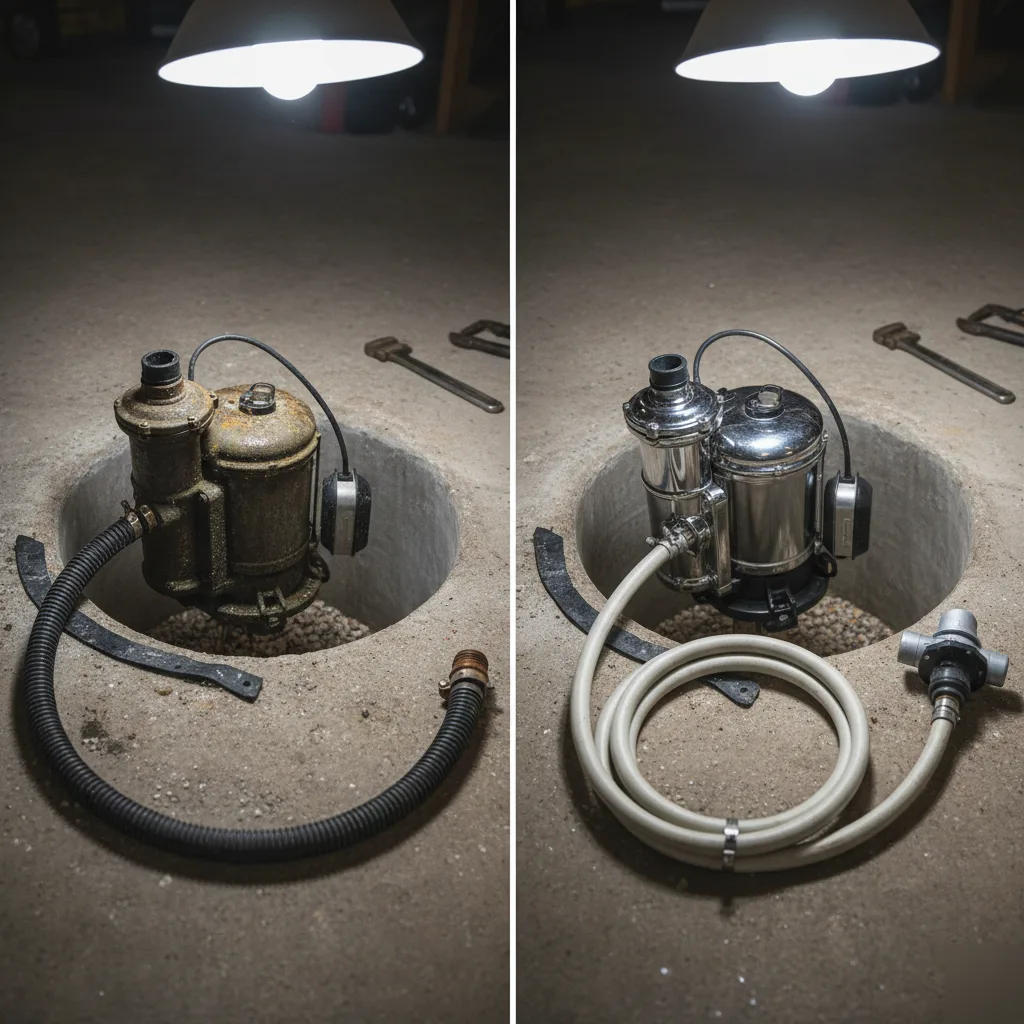
Sump Pump Replacement Takes Less Time Than a New Installation
Free Estimate
If you already have a sump pump in your home, that’s good news. Swapping it out is a much quicker job than putting one in from scratch. We get that question a lot from folks around Oviedo.
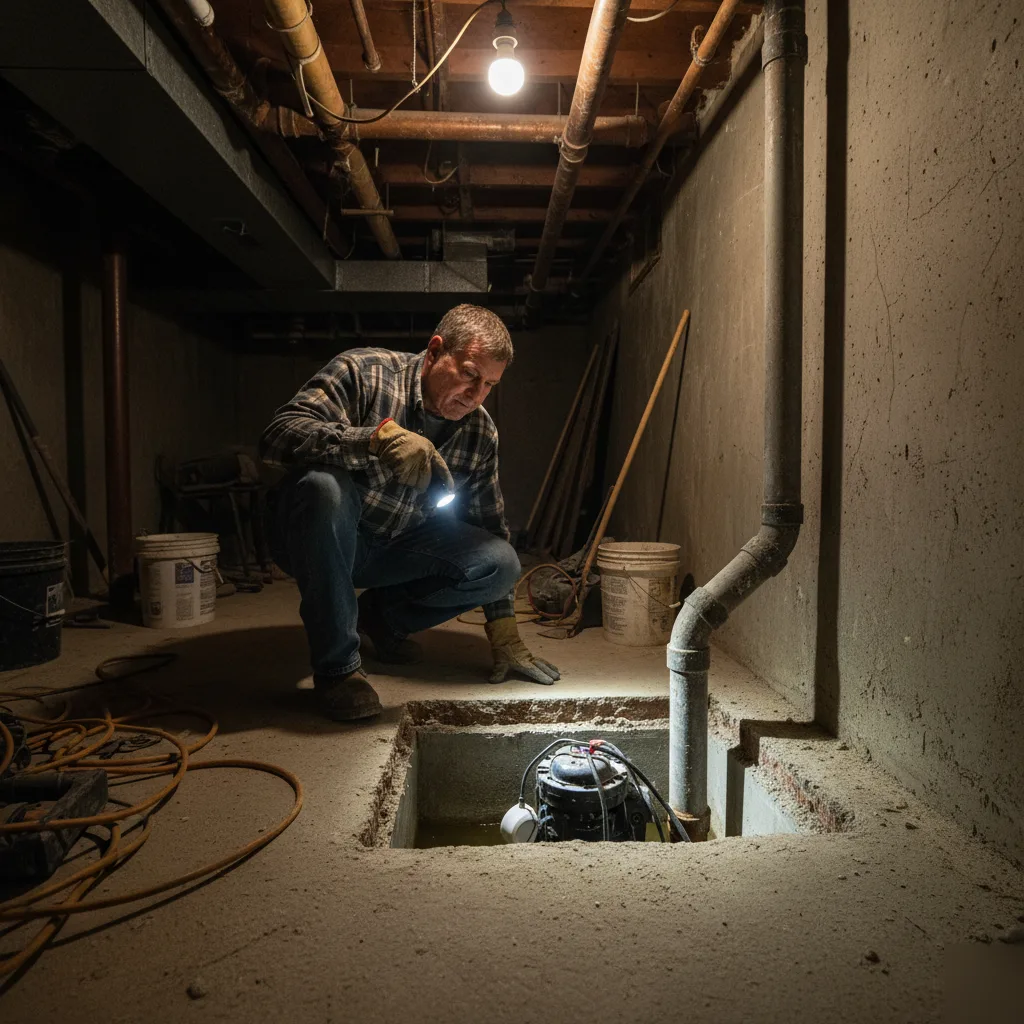
A new sump pump setup means cutting into your concrete slab or digging a pit in your crawl space. That takes serious labor. But for a replacement? The pit already exists. The discharge line is already run to where it needs to go. We're just pulling out the old unit and dropping in a fresh one. Most sump pump replacements in Oviedo usually take between two and four hours, start to finish.
Why the Time Difference Is So Big
Think about how it works. A first-time sump pump installation involves building the whole system. That means a few key steps:
- Breaking through your home's concrete slab to dig or place the sump basin
- Running a new discharge pipe all the way to the outside of your house
- Hooking up the electrical wiring and making sure the float switch works
- Patching up the concrete and cleaning everything up
That entire process can easily take a full day, sometimes even longer. A replacement job skips most of those steps. All the groundwork is already there. We disconnect the old pump, check the basin for any cracks or too much sediment, then install the new unit right into that same pit. The discharge line stays put. The electrical connection is already wired up.
It’s a simpler plumbing task. You get your basement or utility spot back the same afternoon.
When Replacement Gets More Involved
Not every replacement is a simple swap. We see this often in older Tuscawilla and Alafaya Woods homes, for instance, places where the original sump pump has been running for fifteen or twenty years. Sometimes the basin itself cracks from ground pressure or even roots pushing in. The check valve on the discharge line might have rusted completely. In those situations, we’re doing a bit of rebuild work along with the pump swap itself.
That might add an hour or two. Still, it’s nowhere near a full new installation.
Another thing that can slow a replacement down is when you upgrade to a different kind of pump. Maybe your old unit was a pedestal-style pump, and you want a submersible now. The submersible sits lower in the pit, so we might need to adjust the basin's depth or change the discharge connection a little. It’s not a big problem, just something that adds time to the overall job.
And here’s a common scenario most people don’t think about until it’s too late. If your current sump pump dies during a real Central Florida summer downpour, the pit can fill with water and muck pretty fast. Cleaning all that out before we can install the fresh one eats up time you didn’t plan for., scheduling a replacement before your old pump completely gives out saves everyone a big headache.
We always suggest checking your sump pump right at the start of rainy season. Pour some water into the pit and watch for that float switch to kick on. If it doesn't, or if the pump sounds like it’s grinding rocks, that’s your sign. A planned replacement on a Tuesday morning feels a lot better than an emergency call on a Saturday night with water creeping into your garage.
If you're not sure whether your sump pump just needs replacing or if you need a full new installation, Brightwater Plumbing of Oviedo can come take a look. We'll give you a straight answer. Learn more about the process or schedule a visit right here.
Concrete Slab Foundations Add Time That Most Guides Don't Mention
Most sump pump installation guides you read assume you have a basement with a dirt floor or a crawl space. That's simply not Oviedo. Here in Seminole County, nearly every home sits right on a concrete slab. And that changes everything about how long the plumbing job takes.
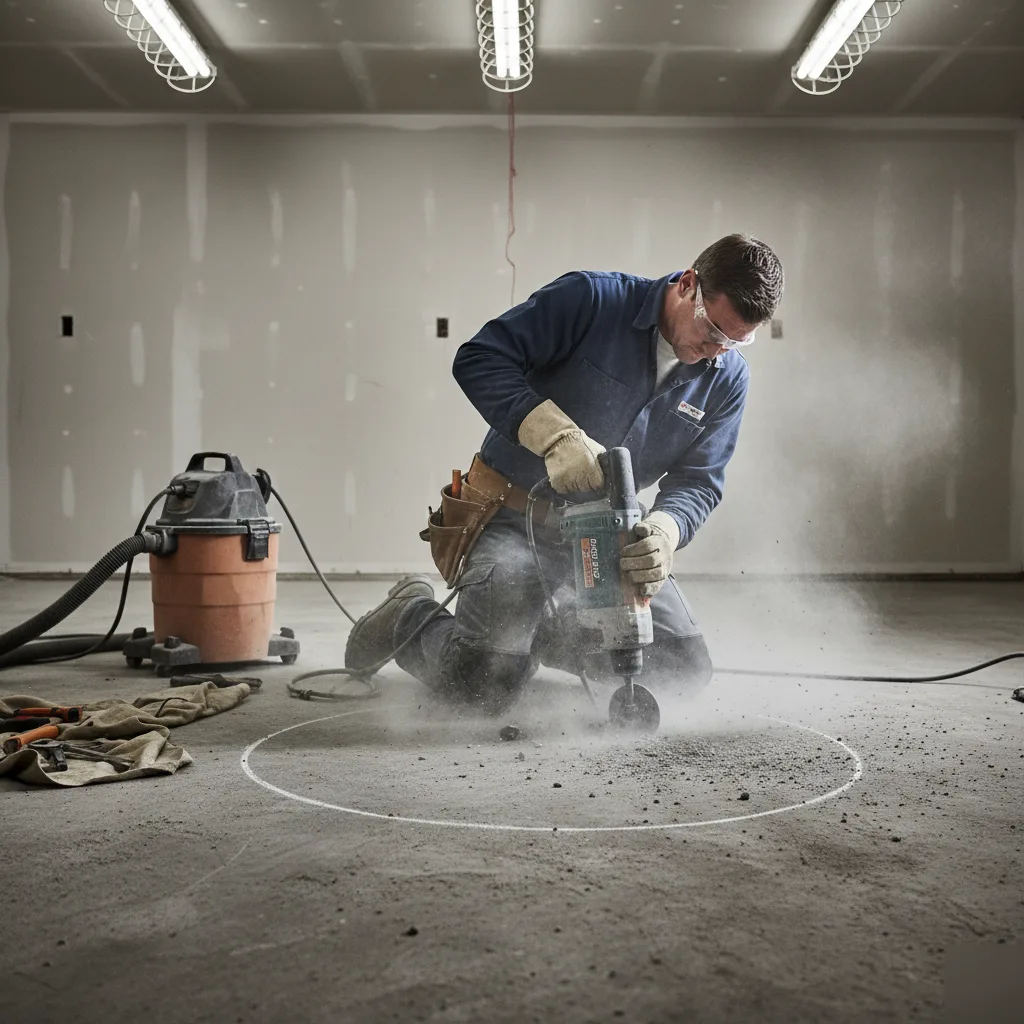
Cutting through a concrete slab, that’s real work.
We can't just dig a hole and drop in a sump basin. The concrete needs to be saw-cut first. Then we carefully break out that section so we don’t crack the rest of your floor. After that, we excavate the soil beneath to create the sump pit itself. The basin goes in, the pump gets set, and then we patch the concrete back up. That whole process adds an extra one to three hours compared to a standard crawl-space install. Sometimes it's even more if the slab is thicker than expected or if we hit rebar in a tricky spot.
Why Oviedo Slabs Are Different
Homes in Tuscawilla and Alafaya Woods typically went up in the 1980s and 1990s. The slab thickness on those houses usually runs about four to six inches. But we've also worked on homes closer to Oviedo on the Park where slabs are reinforced, sometimes eight inches thick, because of newer building rules. Thicker slabs mean more cutting time, more dust (which we always manage carefully), and more cleanup. It’s not a problem, but it definitely takes longer than what you might read in a general article written for homes up north with actual basements.
Florida's sandy soil beneath the slab is actually a plus. Once we get through the concrete, digging the pit usually goes quickly. Sand moves easy. But the water table in certain parts of Oviedo can be surprisingly high, especially right after one of our summer storms. If groundwater starts filling the pit while we’re working, we have to handle that water before we can set the basin properly. We see this a lot in lower-lying areas near Black Hammock and Chuluota. That's just part of working here.
What the Extra Time Looks Like
Here's a quick look at where the hours go on a slab-foundation sump pump installation:
- Marking the cut spot and protecting nearby flooring and walls from dust
- Saw-cutting the concrete slab in a square or circle
- Breaking out the cut piece and taking away the concrete debris
- Digging the pit to the correct depth for the sump basin
- Setting the basin, installing the sump pump, and hooking up the discharge line
- Running the discharge pipe to an outside exit point
- Patching the concrete around the basin and tidying up the work area
Steps two and three alone can take well over an hour. And routing that discharge pipe (step six) sometimes means drilling through an exterior wall, which adds its own time. Most people don't think much about the discharge line. But it truly matters. The water has to go somewhere far enough from your foundation, so it doesn't just loop right back.
So, when someone asks how long a sump pump installation takes, the straightforward answer for a slab home in Oviedo is usually four to eight hours for a routine job. Not the two to four hours you'll often see quoted online. Those numbers are usually for homes with open crawl spaces and easy access, which isn't our norm.
One thing we always tell homeowners: don't rush this part. A sump pump installation done correctly on a concrete slab protects your home for many years. A rushed job on a slab can crack the surrounding concrete, leave small gaps where moisture can seep in, or create a basin that shifts over time. We'd rather spend the extra hour getting it perfectly locked in than come back later to fix a shortcut that causes issues down the road.
If your home has a slab foundation and you're dealing with water getting in, our installation guide can walk you through what to expect from start to finish. We're here to help.
Five Factors That Make Any Sump Pump Installation Take Longer
Not every sump pump installation is a fast job. Some homes in Oviedo are pretty straightforward. Others throw us real curveballs the minute we start digging. Here are five things that often add time to the process.
1. No Existing Sump Pit
If your home already has a pit, we're off to a head start. But many homes in Tuscawilla and Alafaya Woods were built without one. That means we have to cut into the concrete slab, dig out the soil, and set a new basin. This step alone can easily add two to three hours. It's dusty work, it needs precision, and it just can't be rushed.
2. High Water Table Conditions
Central Florida has a high water table. We see this constantly in lower-lying areas near Black Hammock and Chuluota. When groundwater is already seeping into the work area, we have to manage that water flow while installing the pit and pump at the same time, it slows everything down. The U.S. Geological Survey points out that much of Seminole County sits on shallow aquifer systems, so this situation isn't rare around here.
3. Discharge Line Routing
The pump moves water out of your home. That water needs to go somewhere safe, away from your foundation. If the discharge line has to run a long way or weave around landscaping, patios, or existing utility lines, that routing takes extra planning and labor. A 10-foot run to the yard is simple. A 40-foot run under a walkway is a whole different project.
We always check local code rules for where that discharge pipe can go before we start trenching.
4. Electrical Work
Every sump pump needs its own dedicated electrical circuit. Some homes already have an outlet right near the installation spot. Many don't. Running a new circuit from the main panel to the sump pit takes time, especially in older homes where the panel access is tight or the crawlspace is really cramped. And if you want a battery backup system, that's another layer of wiring and setup.
We've walked into homes in Remington Park where the closest outlet was 30 feet from where the pit needed to be. That's not a five-minute fix.
5. Soil and Foundation Surprises
Florida's sandy soil is usually easy to dig through. Most of the time, anyway. Sometimes we hit thick clay pockets, unexpected root systems, or even old construction debris buried under the slab. One job near Oviedo on the Park, we found a big chunk of concrete footer right where the pit needed to go. We had to adjust the placement and re-plan the discharge route right there on the spot.
These kinds of surprises aren't everyday, but they do happen. And when they pop up, the installation takes longer. We're solving a problem nobody knew existed before we opened things up.
Here’s what most people don't realize: the pump itself goes in fast. It’s everything around it that takes up time. The pit, the plumbing connections, the electrical wiring, that discharge line. Those are the real variables. So when you're planning a sump pump installation, think about the full scope of work, not just the pump sitting in a hole.
If you're unsure what your home might need, Brightwater Plumbing of Oviedo can walk through it with you. We'll look at your foundation, check the local water table situation, and give you a straightforward answer about what’s involved. No guesswork. Get the process started here.
Get a Free Quote!
Terms and Conditions
Request a Quote
Terms and Conditions
Request a Quote
Terms and Conditions