

How Much Does a Plumber Charge Per Hour in 2026?
How much does a plumber charge per hour in 2026? That number alone won't tell you what you'll actually pay.
Free Estimate
Hourly Rates Are Only Part of the Plumbing Pricing Story
How much does a plumber charge per hour in 2026? That number alone won't tell you what you'll actually pay. Trip charges, parts, permits, and job complexity usually matter more than the hourly rate itself. Once you understand these pieces, you can read a quote the right way instead of getting surprised later. Our Oviedo plumbing services make pricing clear.
You call a plumber, ask for the hourly rate, and figure you've got your answer. We hear this question constantly. But the hourly number is only one piece of a bigger puzzle. A 30-minute fix and a two-hour repair can land on the same invoice total once parts and a service call fee get added in. On its own, the rate doesn't tell you much.
Here's what we mean. Say two homes in Orlando both need a leaking pipe fixed. One pipe sits in an open crawl space, easy to reach. The other runs behind a finished wall in an older home near downtown. Same hourly rate, very different bill. Access, the age of the home, and pipe material all change how long the job actually takes.
- Trip or dispatch fees that cover the plumber showing up and diagnosing the problem
- Parts and materials, which swing a lot depending on the fixture or pipe involved
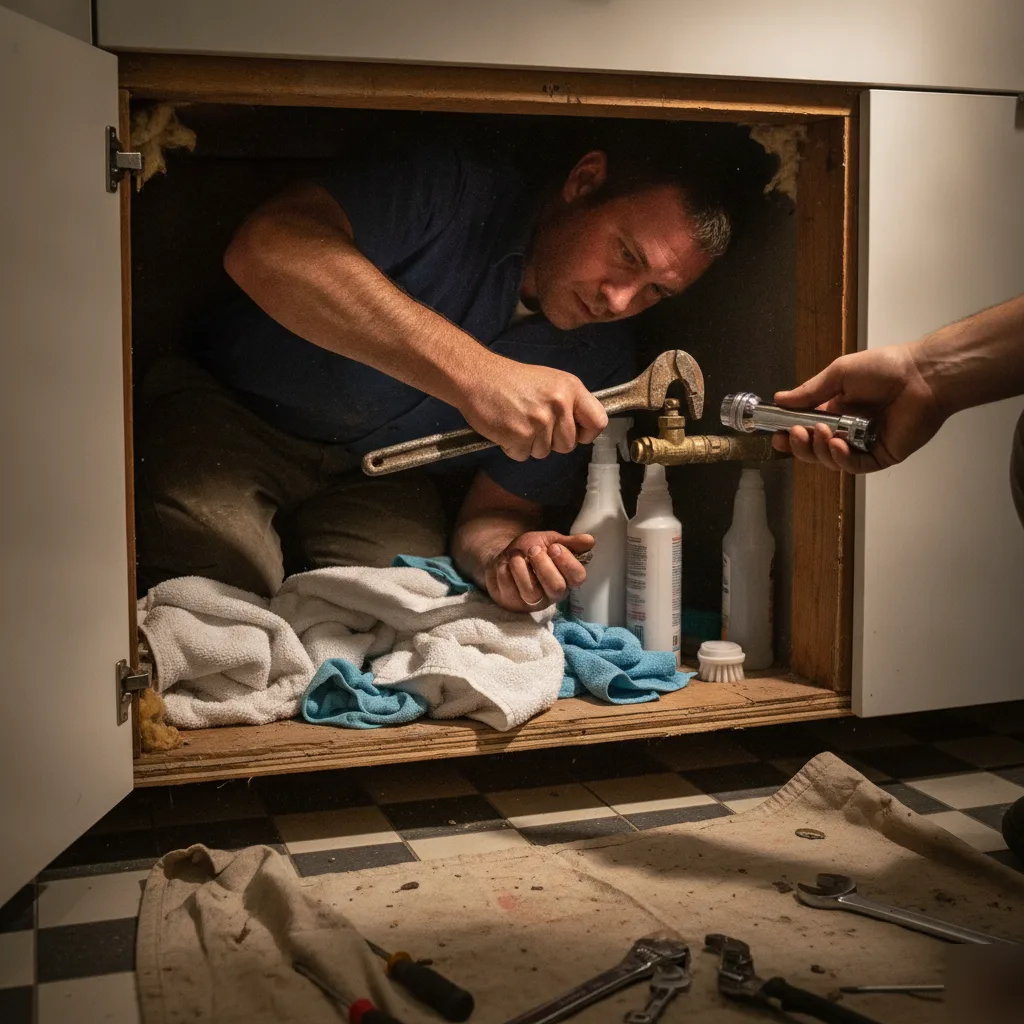
- Job complexity, like tight crawl spaces, old pipe layouts, or hidden leaks behind walls
- After-hours or emergency timing, which often changes the total even if the hourly rate stays the same
- Permit requirements for bigger jobs like water main repair or repiping
This matters even more in Central Florida homes. Hard water builds scale inside pipes and fixtures over the years, and that buildup slows repairs down. Summer storms also push a wave of emergency calls at once, which affects response time and sometimes the pricing structure itself. We've walked into plenty of Orlando kitchens where a simple faucet swap turned into an hour-long job because the old shutoff valve wouldn't budge.
So what should you focus on instead of chasing a single hourly number? Ask what's included in the quote. Ask if parts are itemized separately. Ask whether the estimate covers the whole job or just labor. A good plumber will walk you through this before starting, not after.
One more thing worth saying plainly.
The lowest hourly rate isn't always the lowest total cost, and the highest rate doesn't guarantee better work. What matters most is a clear, upfront explanation of the full job before anyone picks up a wrench.
Flat-Rate Pricing Explains Why Quotes Rarely Match Hourly Math
Here's where most homeowners get tripped up. You call two plumbers in Orlando, ask about an hourly rate, then get a flat-rate quote that doesn't seem to add up. That's normal. Most plumbers quote by the job, not the clock, especially for common repairs like a running toilet or a leaky faucet.
Flat-rate pricing means the plumber gives you one number before the work starts, and that number covers the whole repair, not just labor minutes. We use this approach for good reason. It protects you from a job running long because of a stuck fitting or an old shutoff valve that won't budge.
Think about a garbage disposal repair. A quick fix might take twenty minutes. A jammed motor or a corroded mounting ring could take an hour and a half. If you were paying strict hourly rates, that second job would cost way more, even though the disposal problem looked identical from the kitchen sink.
A flat rate smooths that out. You pay for the outcome, not the guesswork.
So what goes into that flat number? It's not random. A few things shape it every time.
- How hard the fix is to access, like a water heater tucked in a tight garage corner
- Whether parts are needed same-day, which matters more during Orlando's summer storm season when supply runs tight
- The age of the home's plumbing, since older Orlando neighborhoods often have pipe materials that slow the job down
- Whether the issue is a single fix or points to a bigger problem, like a slab leak hiding behind a wall repair
- Permit or inspection needs, which come up more with sewer line repair or repiping work
We've been on plenty of calls where the visible problem was small but the real issue was underneath it. A homeowner near Winter Park once called about a slow drain. It turned out tree roots had worked their way into an aging sewer line. The drain fix alone would have been quick and simple, but the full picture needed a camera inspection and a different plan altogether.
That's the honest answer nobody wants to hear on the phone, but it's the real one.
So when you're comparing quotes, don't just ask for an hourly number. Ask what's included in the flat rate, and ask what could change it. A straight answer here tells you a lot about who you're hiring.
Job Complexity and Home Access Drive Most Rate Differences
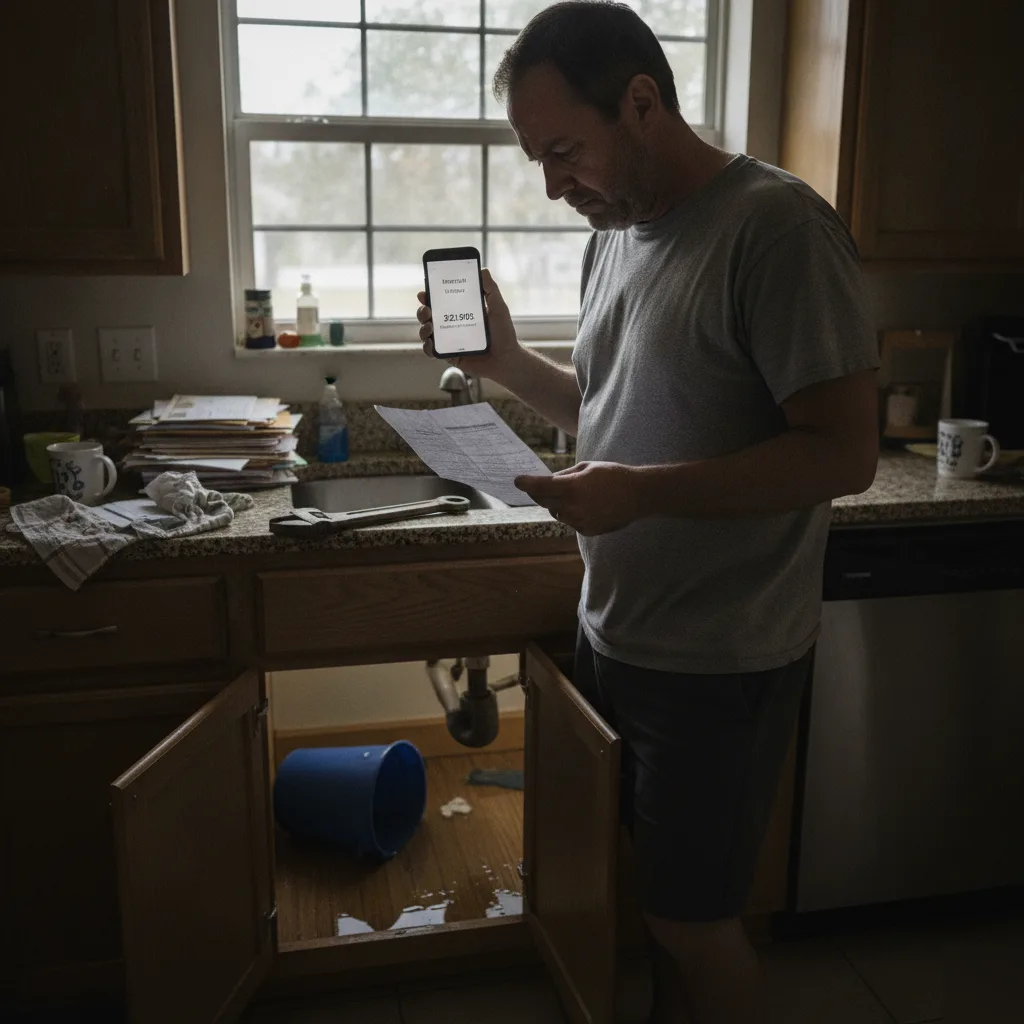
Two jobs can look the same on paper and still take totally different amounts of time to finish. That's the part most people miss. A leaky faucet in a first-floor bathroom is nothing like the same faucet stuck behind a vanity built into the wall. We've walked into homes near downtown Orlando where a simple toilet repair turned into an hour just getting the old shutoff valve to budge. Corrosion does that. Florida's hard water leaves mineral buildup on everything metal, and that buildup fights us every step of the way.
So what changes how long a job takes? It usually comes down to two things: how complicated the repair is, and how hard it is to physically reach the pipe, fixture, or line. A plumber can't apply the same rate structure to every job because no two jobs demand the same amount of work. That's really the heart of it.
- Where the problem sits, like a water heater tucked in an attic versus one in a garage with room to move
- Whether old pipes need extra care so they don't crack during a repair
- How many fixtures or lines are tied into the same repair
- Access issues like tight crawl spaces, slab foundations, or finished walls blocking the pipe
- Whether the job needs a permit or inspection before work can wrap up
Older Orlando homes bring their own headaches. Galvanized pipe from decades back rusts from the inside out, so what looks like one small leak often points to a bigger problem hiding behind the drywall. Newer homes have their own quirks too: tight mechanical closets, tankless units mounted high on a wall, disposal units crammed under a double sink. Every layout changes the labor involved.
Here's a scenario we see a lot. A homeowner calls about a slow drain, sounds simple enough. But once we're under the sink, we find the real issue is a cracked section of pipe further down the line, buried behind a cabinet that has to come apart first. The original problem was small. The access problem was not.
Job complexity and access aren't things you can guess over the phone. A trained plumber has to see the space, check the fixture, and look at what's actually going on before giving you a real answer. That's why a quick look in person almost always beats a guess.
Get a Free Quote!
Terms and Conditions
Request a Quote
Terms and Conditions
Request a Quote
Terms and Conditions