

How to Keep Your Home Plumbing in Good Shape: Tips from Professional Plumbers
Why Plumbing Problems Rarely Happen Overnight
Free Estimate
That puddle under your sink? It didn't just appear. Your shower drain didn't clog itself overnight, either. Most plumbing problems grow over time. Weeks, months, even years. By the time you spot them, the repair is usually much larger than it had to be.
We see this pattern constantly in Winter Garden homes.
Someone calls, "My water heater just quit!" But we get there, and the tank shows rust streaks. Those have been there for months,. The anode rod? Worn out ages ago. Sediment packed inside the tank, so the heating element had no chance. It seemed sudden. It wasn't.
How Small Issues Turn Into Big Repairs
Your plumbing system works as a whole. One weak spot stresses everything else. Think about a slow leak behind a wall. It ramps up humidity. The drywall gets soft, then mold begins to grow. You won't even see a stain yet. The Insurance Institute for Business and Home Safety reports water damage from plumbing issues as one of the most common and expensive homeowner insurance claims in the United States.
Here's the usual sequence. A fitting loosens, or a seal wears down. Nothing visible yet. Then small drips start. You might hear faint sounds at night. Or smell something musty. Water finds a path, traveling along pipes, through walls, under floors. Damage shows up eventually. Stains, warping, soft spots. That's when the emergency call happens. You need leak detection then. And likely pipe repair.
Each of those stages is a chance to catch things early. But ? Most folks don't spot it until stage four or five.
Central Florida Makes It Worse
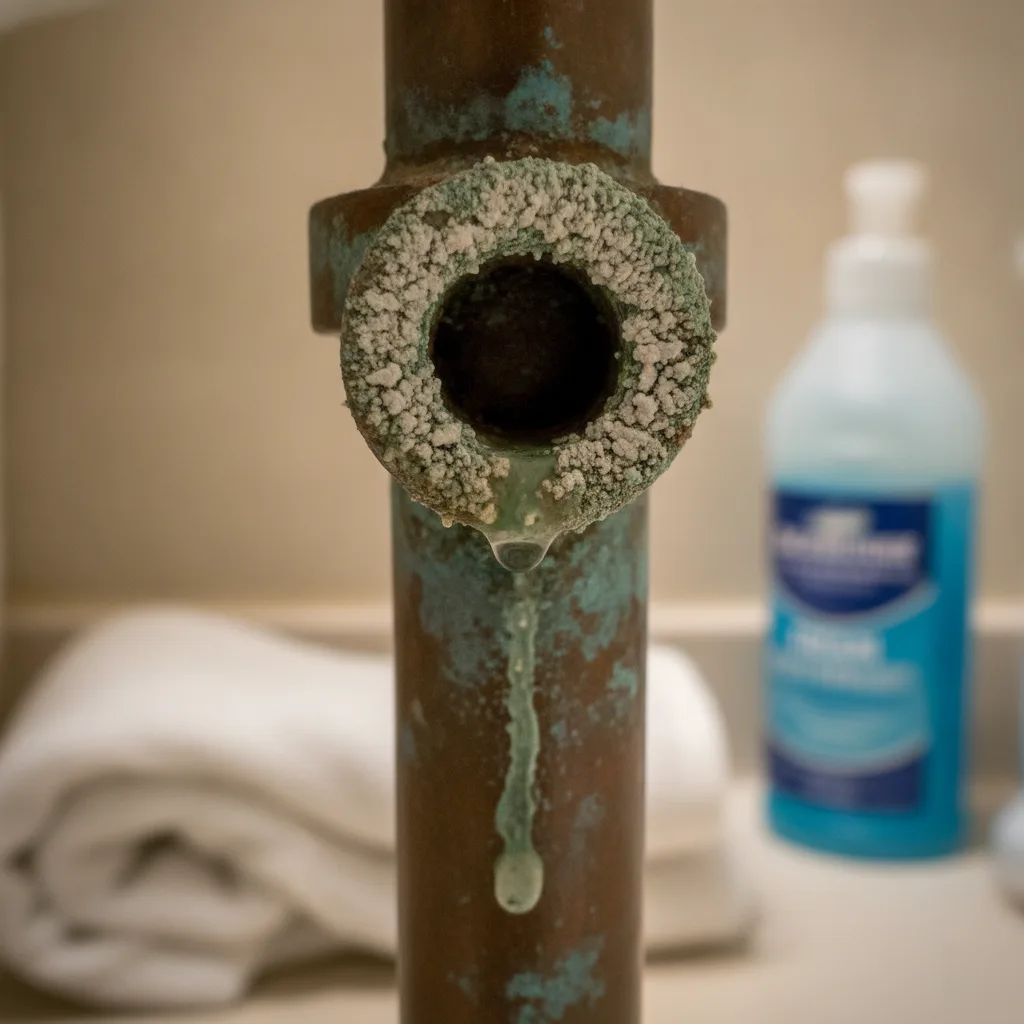
Our local conditions here really speed things up. Winter Garden's water is hard, that means mineral deposits build up inside your pipes and fixtures. Those deposits narrow the opening. They restrict flow. And they add extra pressure on joints. Summer storms raise the water table, too. That stresses sewer lines. It can also overwhelm sump pumps that haven't seen action in a while. Happens to the of them, by the way.
Homes out in Horizon West and Windermere? Built on sandy soil. So the ground shifts. This movement strains underground water mains and sewer lines. You won't see a thing above ground. A sewer camera inspection can find cracks or root intrusion. That's before a total collapse occurs.
Here's what most people miss. Fixing it at stage one costs way less. A loose fitting? Quick repair. A burst pipe behind a wall, with mold all over? That's a whole project.
So, what's this mean for your home? You need to watch for small changes. A toilet runs a few seconds longer. A faucet drips once a minute. Water pressure feels a bit lower over time. These aren't minor annoyances. Your plumbing system is sending a message. Something is wrong.
Not sure what to look for? Our Brightwater plumbing services page explains the common issues we handle. We serve homeowners across Winter Garden and the surrounding communities. Knowing what's normal is half the battle.
The time to fix a plumbing problem is before it ever becomes an emergency. The second time? That's right now.
Signs of a Plumbing Problem Before It Becomes Serious
Most plumbing emergencies don't just appear. They send out signals. The trick is knowing what to spot. Act fast. That's before a small issue turns into a flooded kitchen or a damaged slab.
Here at Brightwater Plumbing of Orlando, we see this pattern all the time. Someone in Horizon West calls about a big leak. We ask a few questions. They mention the faucet had dripped for months. Or the water pressure felt lower, slowly. Those were the warnings. They just didn't recognize them.
Here are the most common red flags that something's going wrong in your plumbing:
First, slow drains in more than one spot. One slow drain is a clog. But if your kitchen sink, shower, and bathroom sink all drain slowly? That often means a main sewer line issue. Then there are water stains. Brown or yellow spots on ceilings or walls. If they grow, water is leaking behind the drywall. Don't just paint over them. Also, watch for a spike in your water bill. If your habits haven't changed but the bill shot up, you likely have a hidden leak. The EPA estimates household leaks waste about one trillion gallons of water each year nationwide. Another sign is low water pressure everywhere. This can point to corroded pipes, a dying water main connection. Or it could be mineral buildup from Winter Garden's hard water. Finally, gurgling sounds from drains or toilets. That bubbling noise? Trapped air. It often means a partial blockage or a vent problem in your drain system.
And some signs people miss entirely. A toilet running a few extra seconds after you flush. A faint musty smell near the shower. Small puddles around the water heater that dry before you ever consider calling. These things happen.
Each of these is your plumbing telling you something.
What Hard Water Does Over Time
Central Florida sits on limestone. That means our water is full of dissolved minerals. It’s hard water. It leaves that white, crusty stuff on your faucet aerators and showerheads. But the real trouble? It happens inside your pipes, where you can't see it. Mineral deposits narrow the pipe opening over years. This cuts down flow. It also puts more pressure on joints. Homes in Winter Garden, Windermere, and Ocoee fight this all the time. A water softener or filtration system can slow the damage. But if your home is older, the buildup might already be causing problems.
So, you spot one of these signs. What do you do? Don't wait. A small plumbing leak detection appointment now can save you thousands later. We've seen homes where a tiny pinhole leak behind a wall ran for weeks. The drywall was mush, the framing was wet. Mold had already taken hold. That repair? It cost ten times what a simple pipe fix would have. No kidding.
If something feels wrong, trust your gut. Plumbing doesn't heal itself. You can check out our plumbing services page. We handle everything, from toilet repair to sewer camera inspection. But the first move is always this: Listen to your house. Then call us. Do it before a small problem grows into a huge headache.
How Often to Inspect Your Home's Plumbing
Most Winter Garden homeowners don't give their plumbing a thought. Not until something breaks. That's pretty normal. But a quick check, maybe once or twice a year? That can save you from a flooded bathroom. Or a surprise water main repair.
The basic rule is simple. Get a professional plumbing inspection once a year. Period. When you do bring in outside help, it pays to know what to look for. The Florida Department of Business and Professional Regulation offers tips for hiring licensed plumbers so you can confirm you're working with a qualified professional before any work begins.
Your home's age and background change that timeline, though. Here in Central Florida, we've seen a lot of homes go up. Those big construction booms of the early 2000s, and the newer Horizon West expansion. Fresh homes might stretch inspections out a bit. But older places in Oakland or Tildenville, with original pipes? They need more eyes on them. Maybe every six months.
What a Yearly Inspection Covers
A professional plumbing inspection is more than just a quick look at your faucets. We check things you can't see easily. Here's what we typically do.
We check every visible pipe. Under sinks, in the garage, near your water heater. We look for corrosion or tiny leaks. Then we test water pressure. High pressure wears out pipes faster, you know. We see this all the time in Winter Garden homes. We inspect toilet components, too. Flush valves and supply lines. We look at the water heater for sediment, rust, or connection problems. And for older homes, we run a sewer camera inspection. That checks for root intrusion or underground pipe damage.
That last item? It matters more than people think. The American Society of Home Inspectors says sewer line problems are among the most expensive repairs homeowners deal with. Finding a crack early, with a camera inspection, costs a fraction. That's compared to a full sewer line repair.
Signs You Shouldn't Wait for Your Next Scheduled Check
Sometimes your plumbing tells you something's wrong. Before the calendar says it's time. Pay close attention to these red flags.
- Your water bill spikes but your usage hasn't changed. That's a sign.
- Slow drains in more than one fixture. That's another.
- Discolored water. Or a rotten-egg smell from your tap. Definitely call us.
- And look for damp spots. Walls, ceilings, or floors.
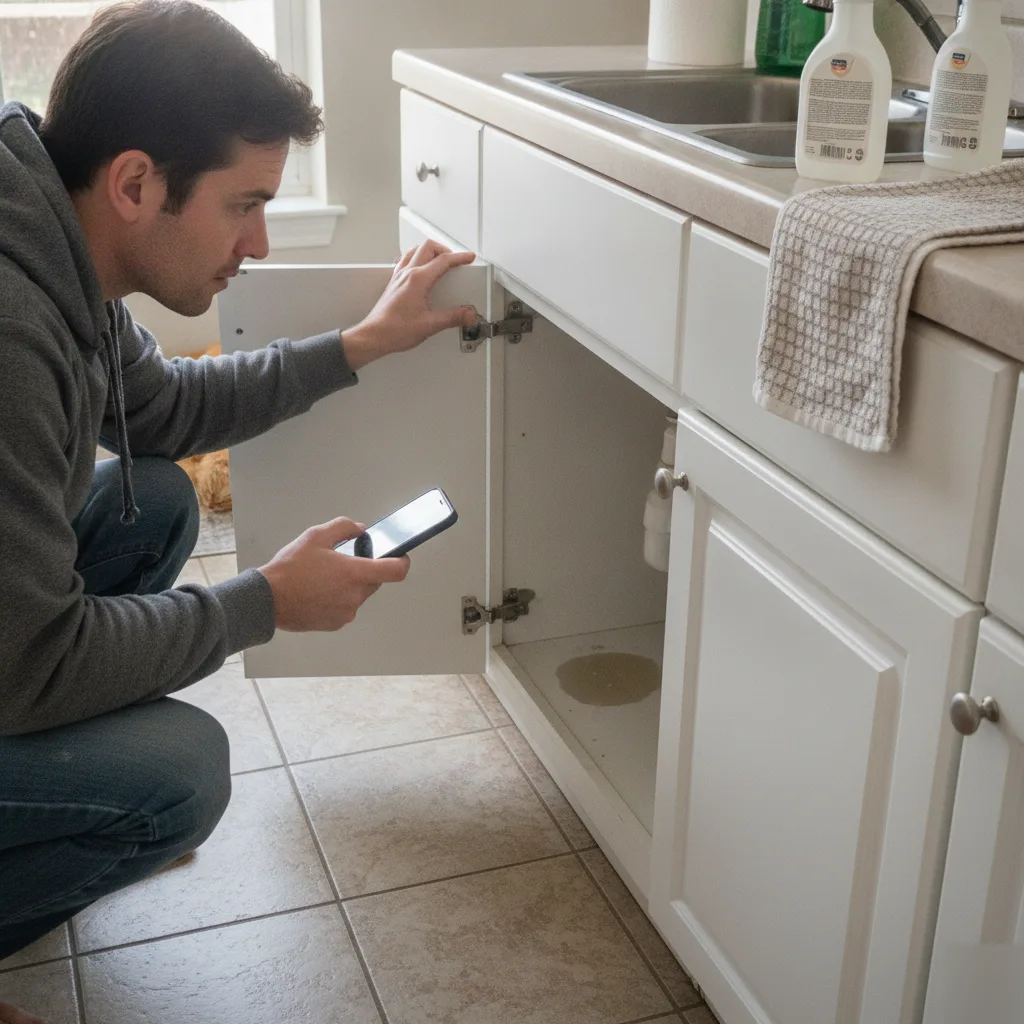
Any of those signals means you should call for plumbing leak detection right away. We've gone into Windermere homes. A tiny slab leak had run for weeks. The homeowner just thought their water bill was a bit high. By the time we found it, foundation damage had already begun.
And here's something unique to our area. Central Florida's hard water is rough. It beats up pipes and fixtures. Mineral buildup happens faster here than almost anywhere else. You see those white, crusty deposits on your faucets? That same stuff is building up inside your pipes. A water softener installation can help. It slows things down. But you still need regular checks on the system.
Summer storms play a part, too. Heavy rains can shift the soil around. That puts pressure on underground sewer lines. After a rough storm season, it's smart to get your lines checked. Even if nothing seems wrong.
So, put it on your calendar. Once a year, at least. If your home is over 15 years old, or if you've seen any warning signs, move it to every six months. A quick visit today stops a long, costly repair tomorrow. Not sure where to begin? Check out our plumbing services page. Brightwater Plumbing of Orlando can help you stay ahead of issues. Before they turn expensive.
Get a Free Quote!
Terms and Conditions
Request a Quote
Terms and Conditions
Request a Quote
Terms and Conditions
Frequently Asked Questions
Common questions about how do plumbers detect hidden leaks? professional techniques revealed services
How often should I have my home's plumbing checked in Winter Garden?
You should have your plumbing checked once a year, even if nothing seems wrong. Winter Garden's hard water speeds up mineral buildup inside pipes, so yearly checks catch narrowing pipes and worn seals before they turn into leaks. Homes older than 15 years or those with a water heater past its prime benefit from a closer look. A quick yearly check is much easier than dealing with a burst pipe. If you're not sure where to start, our plumbing services page lists the checks we run in Winter Garden homes.
Is it true that plumbing problems always happen suddenly?
No, this is a common misconception. Most plumbing problems build up slowly over weeks or months before you notice anything. A water heater that "suddenly" fails usually had rust streaks and sediment buildup for a long time. The real issue is that small signs, like a slightly slower drain or a faint musty smell, get ignored until the damage is already serious.
Does Winter Garden's hard water really damage pipes over time?
Yes, hard water builds up mineral deposits inside your pipes, and this narrows the space water can flow through. Over years, this buildup adds pressure on joints and fittings, which can lead to leaks or reduced water pressure. You'll see the surface signs first, like crusty buildup on faucets, but the bigger damage happens inside pipes you can't see. A water softener can slow this process, but older homes may already have some buildup.
Can I fix small plumbing issues myself, or should I call a plumber?
Small fixes like a loose faucet handle or a slow drain are fine to try yourself. But if you notice slow drains in more than one spot, a rising water bill, or gurgling sounds, call a professional. Those signs often point to problems inside walls or underground, where DIY tools can't reach. Trying to fix a hidden leak or a sewer line issue without the right equipment can make the damage worse and cost more later.
Why do Horizon West and Windermere homes have more sewer line problems?
Homes in Horizon West and Windermere sit on sandy soil, which shifts more than soil in older parts of Winter Garden. This ground movement puts strain on underground water mains and sewer lines, often without any sign above ground. A sewer camera inspection can spot cracks or root intrusion before a full collapse happens. If your home is in this area, it's worth checking your lines sooner rather than later.
What's the difference between a clog and a main sewer line problem?
A clog usually affects one drain, like a single slow bathroom sink. A main sewer line problem shows up as slow drains in multiple spots at once, such as your kitchen sink, shower, and bathroom sink all draining slowly together. This pattern means the blockage is further down the line, not just in one pipe. If you notice this, it's a sign to get your sewer line checked rather than treating each drain on its own.