

My toilet rocks when I sit on it. Is that a big deal?
Two Separate Timelines: Scheduling Wait vs. On-Site Repair Time
Free Estimate
You sit down. The toilet shifts. Maybe it leans a little to the side. You think, "My toilet rocks when I sit on it. Is that a big deal?", it is a big deal. A wobbly toilet is your home trying to tell you something, and it needs attention right now, not weeks from now.

That small sway means the seal between your toilet and the drain pipe is already compromised. Or it's getting there fast. The wax ring underneath the toilet base is what stops sewer gas from getting into your bathroom. It also keeps water flowing down, not sideways. Every time that toilet rocks, that critical seal breaks down a little more.
What Happens If You Ignore It
We see this story far too often in homes across Orlando. A homeowner notices the wobble. They figure it's no big problem. They wait. But three months later, they’re dealing with real water damage under the floor.
Here's what ignoring a rocking toilet can quickly lead to:
- The wax ring fails. Dirty water then seeps under the toilet base with every single flush.
- Subfloor damage starts. You won't see it until the floor around the toilet feels soft. Or spongy.
- Mold grows. Orlando's humidity makes this worse, especially in hidden spaces like subflooring and drywall.
- Sewer gas leaks inside. That creates a persistent, unpleasant smell you just can’t pinpoint.
A broken wax seal doesn't spike your water bill like a dripping faucet. But the hidden damage it causes costs a lot more to fix in the long run. We're talking about tearing out flooring. And dealing with mold remediation.
And here's the thing most people don't realize. The toilet itself is usually fine. It’s what's happening underneath that truly matters.
Why Toilets Start Rocking in the First Place
There's almost always a clear mechanical reason. The toilet didn't just decide to move. Something changed below it. Or right around it.
Loose closet bolts are the most common culprit. These are the two bolts at the base of your toilet. They hold it tight to the floor flange. Regular use can loosen them over time. Sometimes, a quick tightening of these bolts fixes the wobble completely.
But not always. In older Orlando neighborhoods, places like those near Lake Eola, or even in the College Park area, we often find corroded cast iron flanges. They crack. Or they pull right away from the drain pipe. Then the toilet has nothing solid to bolt to. That’s a toilet repair job that definitely needs a plumber, not just a simple wrench. It's more involved than a quick DIY fix.
Uneven flooring is another common problem. Maybe the tile work wasn't perfectly leveled. Or the subfloor warped from past moisture issues. This leaves the toilet sitting on a surface that isn’t flat. Shims can help for a while. But a proper reset, using a new wax ring, is the real solution. Sometimes you just need to get it right.
And sometimes the wax ring just plain gives up. Wax rings don't last forever. They compress and dry out over years of use. Once that seal is gone, the toilet shifts. There’s nothing holding it snug against the floor anymore.
So, if your toilet moves even a little, don't wait for the floor to go soft. That small wobble is a clear warning. Catching it early usually means a straightforward toilet repair. Otherwise, you're looking at pulling up flooring. You’ll be dealing with mold. If you're in the Orlando area, and your toilet rocks, Brightwater Plumbing of Oviedo can find the real cause. And we'll get it fixed right the first time.
What Actually Causes a Toilet to Rock or Wobble
A toilet that moves when you sit down? It’s more than just an annoyance. It’s a message. And most of the time, the solution is pretty direct, once you figure out what’s actually happening underneath.
We see rocking toilets every week. All across Oviedo and the neighborhoods nearby. The cause usually falls into a few key categories. Some are simple. Some are worth acting on very fast.
Loose or Corroded Closet Bolts
Two bolts keep your toilet anchored to the floor. We call them closet bolts. They thread up through a metal ring, the flange. Over time, these bolts simply loosen. Sometimes, they corrode entirely. Seminole County has hard water, by the way, and that really speeds up the corrosion process, eating through hardware faster than you might expect. If those bolts just spin when you try to tighten them, the flange underneath might be damaged too. You’ll know pretty quickly if that’s the case.
A Broken or Cracked Flange
The flange is that piece connecting your toilet to the drain pipe in the floor. It’s either PVC or cast iron, depending on your home’s age. In older neighborhoods like Tuscawilla and Alafaya Woods, we often find cast iron flanges that have cracked. Or they've rusted right through. A broken flange can’t hold the toilet steady. It won’t matter how tight you crank those bolts. This is one of the more common toilet repair issues we handle in the area. It’s a definite sign of aging infrastructure.
Uneven Flooring
Not every rocking toilet means something is broken. Sometimes, the floor itself isn't quite level. It could be tile work that’s a bit off. Or a subfloor that has settled over years. Perhaps a bathroom remodel changed the floor height right around the toilet base. We run into this a lot in homes built in the 1980s and 1990s. The toilet sits fine for years, then one day, you feel that little wobble.

A thin shim can close a minor gap. But if the floor has shifted due to water damage or rot underneath, that’s a much bigger talk. It means digging deeper.
Failed Wax Ring
Right between the toilet's bottom and the flange sits a wax ring. It forms the seal. This seal keeps sewer gas and wastewater from leaking out. Every time a toilet rocks even a little, it stresses that seal. Eventually, the wax compresses unevenly. Or it cracks. Then the seal fails. And you end up with water seeping into your subfloor with every single flush.
Here’s what we always tell homeowners to watch for:
- A faint sewer smell near the toilet's base. It’s usually pretty distinct.
- Water pooling around the bottom after flushing.
- Soft or spongy flooring right next to the toilet.
- Staining on the ceiling just below a second-floor bathroom.
Any of those signs means your wax ring has likely failed. And a rocking toilet usually starts that whole chain reaction. It’s the first symptom.
Subfloor Damage You Can't See
This is the one that really catches people off guard. A slow leak from a bad wax ring soaks right into the plywood subfloor. Over months or years, the wood gets soft. It starts to rot. The toilet then begins to rock because the floor underneath is literally giving way. We’ve pulled toilets in homes near Waterford Lakes and found subfloor damage that stretched two feet in every direction from the flange. By the time the floor feels soft under your feet, the damage has been there for a while. A very long while.
So, which cause are you dealing with? Sometimes it’s obvious. But most of the time, you won’t know for sure until the toilet comes off the floor. Then someone can look at the flange, the bolts, and the subfloor’s condition. That’s a standard part of any toilet repair. It takes us about fifteen minutes to diagnose once the toilet is pulled. And we do it right.
If your toilet rocks when you sit on it, don't wait. Don't wait until you smell sewer gas. Don't wait until you see water stains. The problem only moves in one direction. It always gets worse.
What Happens If You Ignore a Wobbly Toilet
A rocking toilet might seem like a small thing. It’s not. We get calls every week from homeowners here in Oviedo who ignored that little wobble for months. And now? They’re dealing with something much, much worse.
Here’s what actually happens over time.
Every time you sit down, the toilet shifts. That movement breaks the wax seal. That’s the critical barrier between the toilet base and the drain flange. And this wax seal is the only thing keeping sewer gas and wastewater from getting out. Once it cracks, you're looking at two problems at once: water leaking below, and gas seeping above. Not a good combo.
Water Damage You Can't See
The leak from a broken wax seal won't splash across your bathroom floor. Instead, it seeps. It goes downward. Into the subfloor. Into the framing. If you're on a second story, it drips into the ceiling of the room below.
We’ve pulled up flooring in Tuscawilla homes. We’ve found plywood so soft you could push a screwdriver right through it. That kind of rot doesn't happen overnight. It quietly builds up over six to twelve months, all because a toilet rocked just a little bit each day. Slow leaks are insidious. And, Orlando’s humidity just makes it all worse. Moisture trapped under a toilet in a warm bathroom? That's the perfect setup for mold growth. By the time you smell something off, the damage has usually spread far beyond the toilet’s footprint. It’s just how it goes in Central Florida.
Sewer Gas Is No Joke
That faint rotten-egg smell you might notice? That’s sewer gas. It contains hydrogen sulfide. And methane. In tiny amounts, it’s just plain unpleasant. But if you have prolonged exposure, especially in a closed bathroom, it can cause headaches. You might feel nauseous. That broken wax seal lets it creep right into your living space. It's not something to ignore.
Most people just blame the smell on a dirty drain. They pour some bleach down the toilet. And they move on. But the wobble keeps going. The seal keeps failing. The gas keeps coming. You can’t just mask that smell.
The Flange Problem Gets Bigger
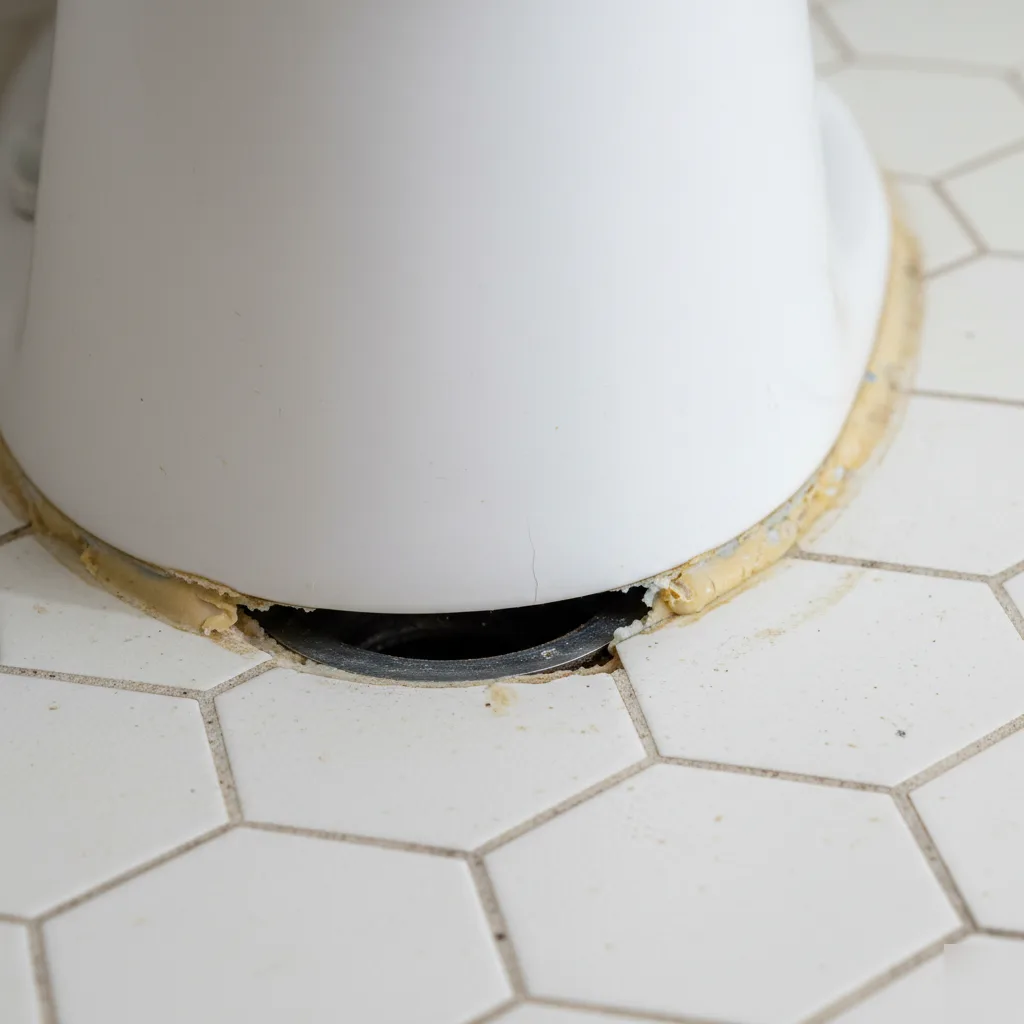
The toilet flange is the fitting. It connects your toilet to the drain pipe in the floor. A wobbly toilet puts stress on this flange. Every single day. Eventually, the flange cracks. Or the bolts pull loose from the subfloor. This can get expensive.
A simple toilet repair then turns into a full flange replacement. If the subfloor around that flange has rotted, that needs replacing too. What started as a quick fix can easily become a half-day job. It means materials. It means labor. And it means expenses you hadn't planned for. We see this pattern a lot in homes along the Alafaya corridor. Especially where rental properties sometimes go years between proper inspections. Deferred maintenance on something as basic as a loose toilet can snowball very fast.
What You're Really Risking
- Rotted subfloor. Serious structural damage right beneath the bathroom.
- Hidden mold growth. Under tile. Or under vinyl flooring.
- A cracked toilet flange. This changes a simple fix into a bigger project.
- Sewer gas exposure. For weeks. Maybe months.
- A toilet that shifts so much, the porcelain base cracks.
That last one often surprises people. But a toilet that rocks puts uneven pressure on its base. Porcelain is tough when compressed. But it’s brittle under shear stress. One bad shift, and you’ve got a cracked bowl. Then water is everywhere. It’s a real mess.
So no, a wobbly toilet is absolutely not something to just put on next month's to-do list. If your toilet moves when you sit on it, the clock is already running on one of these problems. The fix is almost always straightforward. If you catch it early. If you're in Oviedo, or anywhere in Seminole County, Brightwater Plumbing of Oviedo handles toilet repair same-day when you call us before noon. Don't wait for that wobble to turn into a flood. Give us a call.
Get a Free Quote!
Terms and Conditions
Request a Quote
Terms and Conditions
Request a Quote
Terms and Conditions