

Plumbing Pipe Repair in Oviedo | Brightwater Plumbing
Need plumbing pipe repair in Oviedo? Brightwater Plumbing diagnoses, repairs, and verifies every fix. Local experts ready to help. Call to book today.
Free Estimate
Signs Your Pipes Need Professional Repair
You walk into the kitchen and the floor feels soft near the dishwasher. Or you notice a brown ring on the ceiling below your upstairs bathroom. Maybe the water pressure dropped overnight and nobody can explain why. These are the moments that tell you something's wrong behind the walls. We also provide plumbing services in oviedo.
We get calls like this every week in Oviedo. Most people don't catch pipe problems early because the damage starts where you can't see it. But your house gives you clues if you know what to look for.
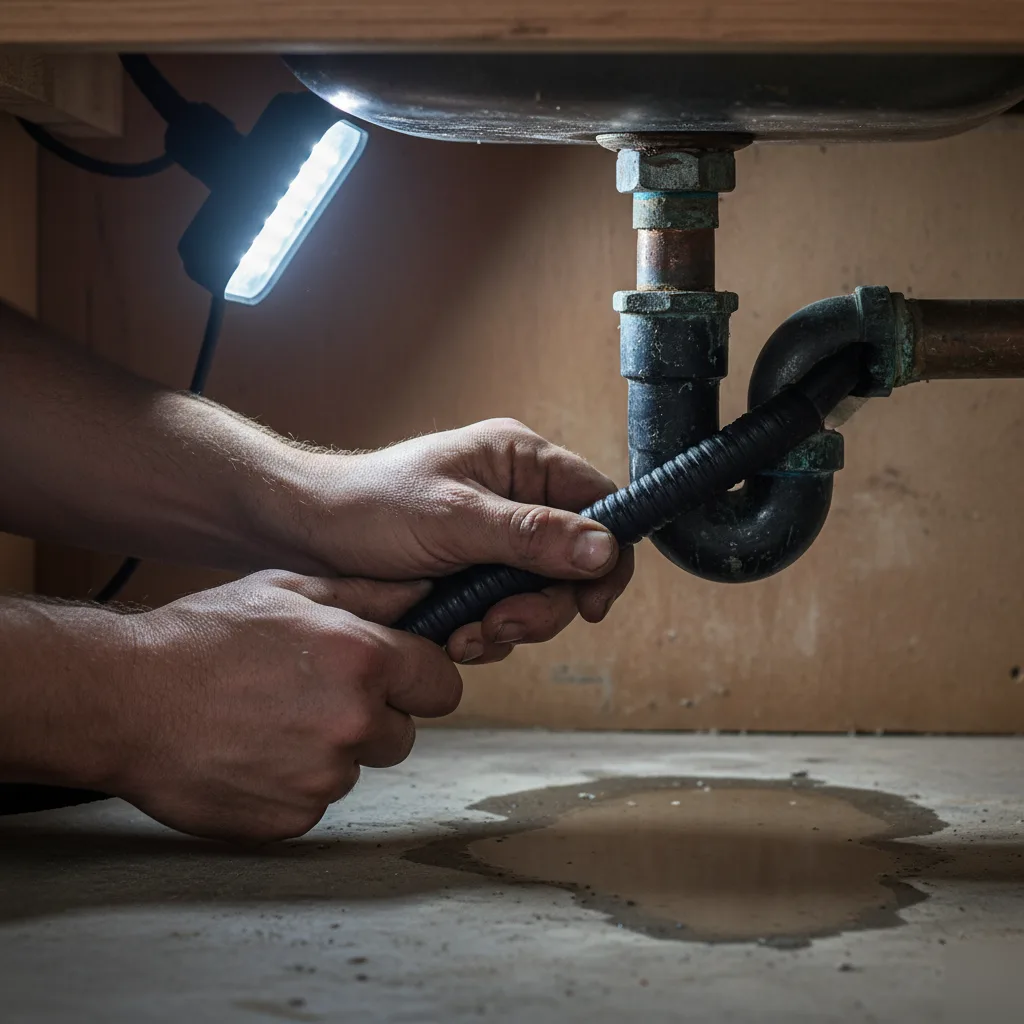
- Discolored water. Rusty or brown water from your taps usually means corrosion inside the pipe itself. Older homes in neighborhoods like Tuscawilla often have galvanized lines that break down from the inside out.
- Unexplained wet spots. Damp patches on walls, floors, or ceilings with no obvious source point to a slow leak behind the drywall.
- Low water pressure in one fixture. If your kitchen faucet suddenly trickles while the shower runs fine, the supply line to that fixture may be pinched or cracked.
- A water bill that jumped for no reason. Even a small crack in a pipe can waste thousands of gallons a month. You won't always hear it or see it, the bill catches it first.
- Sounds in the walls. Hissing, dripping, or running water when nothing's turned on. That's not normal.
Here's what catches people off guard. A pinhole leak in a copper line can run for weeks before it shows on the surface. By then the drywall is soft, the insulation is soaked, and you've got a mold situation starting. Oviedo's humidity makes this worse because moisture doesn't dry out on its own here.
Almost every time, the homeowner tells us they noticed something small weeks ago but figured it would go away. It never goes away.
Hard water in Oviedo speeds up the timeline too. Mineral buildup puts constant stress on joints and fittings, so a pipe that should last 30 years might start failing at 20. If your home was built before 2000, pay attention to these signs. The sooner you call, the smaller the repair stays.
Pipe Materials Common in Oviedo Homes and Why They Fail
Most folks don't think about what their pipes are made of until something goes wrong. But the material running behind your walls tells us a lot about what kind of plumbing pipe repair you're going to need.
We see the same handful of pipe types across Oviedo over and over again. Here's what's in most homes and what goes wrong with each:
- Galvanized steel. Found in homes built before the 1970s. These pipes corrode from the inside out. You'll notice rusty water, low pressure, and pinhole leaks before they finally give up completely.
- Copper. Common in homes from the 1970s through the early 2000s. Copper holds up well, but Oviedo's hard water eats away at joints and fittings over time. We pull corroded copper fittings out of Tuscawilla homes on a regular basis.
- CPVC (chlorinated polyvinyl chloride). Builders used this heavily in the 1990s and 2000s because it was fast to install. Problem is, CPVC gets brittle with age. One bump in the attic, one hot afternoon, and it snaps clean.
- Polybutylene (poly-B). If your Oviedo home was built between 1978 and 1995, you might still have these gray pipes. They react badly with chlorine in city water and fail without warning. According to the International Association of Certified Home Inspectors, polybutylene pipes are considered a known defect in residential plumbing.
Most of the time, the pipe material tells the whole story before we even open a wall.
Hard water is a big factor here. Seminole County water tests consistently high in mineral content, and that speeds up scale buildup inside every type of pipe. Scale narrows the opening, restricts flow, and creates weak spots where leaks start. A copper line that might last 50 years in another climate can start failing at 25 in this part of Florida.
So when you call about a leak or low water pressure, we're not just looking at the damage. We're checking the pipe material, the age of your home, and how your water has been treating those pipes for years. That's how we figure out whether a spot repair will hold or whether you're looking at something bigger down the road.
How Pipe Repair Works: From Diagnosis to Pressure Test
You've got water where it shouldn't be. Now what? Here's how we handle plumbing pipe repair from the moment we pull up to your Oviedo home.
Every job follows a clear sequence. No guesswork, no shortcuts.
- Locate the problem. We start with a visual inspection of the affected area. If the leak isn't obvious, we use leak detection equipment to pinpoint exactly where the failure is. Slab leaks in Tuscawilla homes built in the '80s and '90s can hide for months, so we don't skip this step.
- Diagnose the cause. A crack, a corroded joint, root intrusion, a fitting that gave out. We figure out why the pipe failed, not just where. That matters because it tells us whether a spot repair will hold or if you're looking at a bigger issue down the line.
- Prep the work area. We shut off water to the affected section, protect your flooring and walls, and stage our materials. If we need to open drywall or cut into a slab, we talk you through it before we touch anything.
- Make the repair. Depending on the pipe material and location, we cut out the damaged section and replace it with new pipe. Copper gets soldered. CPVC gets cemented. PEX gets crimped. We match the right method to the right material every time.
- Pressure test. Once the repair is in place, we pressurize the line and hold it. We're watching for any drop at all. No drop means the fix is solid. This is the step a lot of guys skip, but it's the only way to know the repair will hold.
For a single-line repair, the whole process usually takes a few hours. We see more complex jobs in older Oviedo neighborhoods where one bad section leads us to another corroded stretch nearby. If that happens, we'll let you know before we keep going.
Brightwater Plumbing is licensed and insured, and the owner's name is on the truck. That pressure test at the end isn't a formality. It's how the repair is done right.
When Repair Is Enough and When Replacement Makes More Sense
This is the question we get more than any other. The answer isn't always obvious until we're looking at the pipe itself.
A single pinhole leak on a copper line? That's a repair. We patch it, pressure-test the system, and you're back in business. A corroded joint on a PVC drain under your kitchen sink? Same thing. But here's where it gets tricky for Oviedo homeowners, especially in neighborhoods like Tuscawilla where the homes are pushing 35 to 40 years old. One pinhole leak on a copper line usually means more are coming. The pipe wall is thinning from the inside out, and our hard water speeds that process up.
So how do you decide? We walk through a few things with every customer:
- How old is the pipe material, and what is it made of
- Is this the first leak or the third one this year
- Are we seeing corrosion in one spot or across a whole run
- Would the repair cost stack up against a partial repipe within the next couple of years
A single isolated break on newer pipe is a clear repair. We cut out the bad section, join in new material, and test it.
Replacement starts making sense when the pipe has repeated failures. We see this a lot with older galvanized steel lines in Oviedo homes built before the mid-1980s. The inside of those pipes looks like a clogged artery. You can fix one section, but the next weak spot is already forming six feet away. At that point, repairing individual spots becomes a cycle you don't want to keep paying for.
We'll never push you toward a full repipe if a repair handles the problem. That's not how Brightwater Plumbing operates. But we will be straight with you about what we see. If the pipe is telling us it's done, we'll show you why and talk through your options so you can make the call with real information, not a sales pitch.
Permits, Inspections, and What Happens After the Repair
Most homeowners don't think about permits until we bring it up. Not every plumbing pipe repair needs one. A straightforward fix on an exposed line in your garage? Probably not. But if we're cutting into a wall, replacing a section of your main water line, or reworking drain piping under a slab in Tuscawilla, the City of Oviedo and Seminole County both require a permit and a follow-up inspection.
We handle the permit paperwork for you.
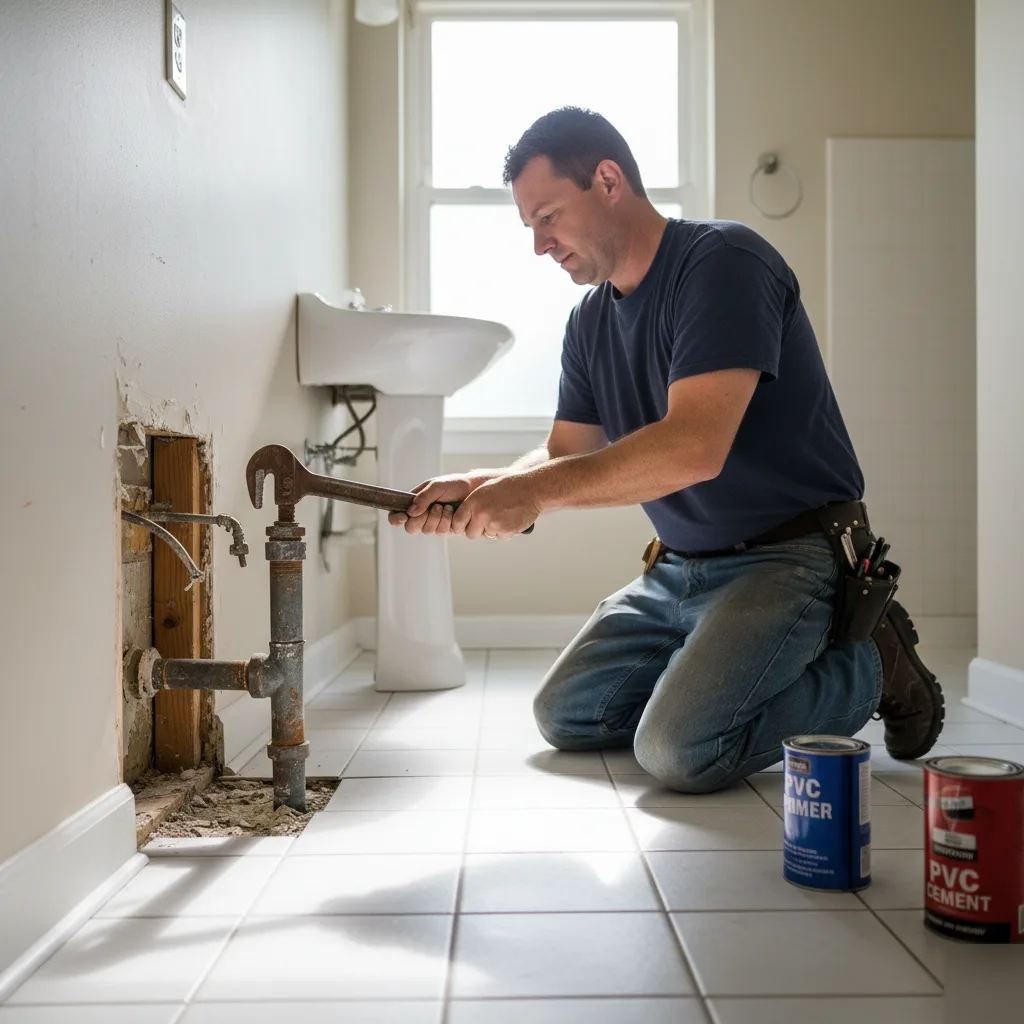
That's not a small thing. Pulling permits means dealing with the building department, knowing what documentation they want, and making sure the work gets scheduled for inspection before we close anything up. Skip that step and you could face problems when you sell your home, refinance, or file an insurance claim. We've seen it happen to folks who hired someone off a social media ad and ended up with unpermitted work buried behind drywall. Not worth the risk.
Here's what the process looks like after we finish a plumbing pipe repair:
- We pressure-test the new section of pipe to confirm there are zero leaks.
- If a permit was pulled, we call in the inspection and meet the inspector on-site.
- We walk you through exactly what was done, where the repair is, and what to watch for going forward.
- We clean up the work area so your home looks the way it did before we showed up.
The inspection passes on the first visit because we do the work to code from the start, not because we got lucky. Being licensed and insured means what inspectors look for, and we build to that standard every time.
After the repair, you should see an immediate difference. Water pressure returns to normal. That hissing sound behind the wall stops. Your water bill levels out within a billing cycle or two. If anything feels off in the days after, call us back. We stand behind the work, period. A good plumbing pipe repair shouldn't need a second visit, but if it does, Brightwater Plumbing shows up.
Get a Free Quote!
Terms and Conditions
Request a Quote
Terms and Conditions
Request a Quote
Terms and Conditions
Frequently Asked Questions
Brightwater Plumbing provides expert plumbing services in Orlando, including leak repair, drain cleaning, water heaters, repiping, and more.
How do I know if I need a spot repair or a full pipe replacement?
The pipe material and overall condition of your plumbing determine whether a spot repair will hold or whether a full replacement is the smarter, more cost-effective solution.
When an Oviedo home develops a pipe problem, the right fix depends on what the rest of the line looks like. Copper and PEX pipes in otherwise good condition are strong candidates for a spot repair — fix the failure and move on. But older materials like galvanized steel or polybutylene tell a different story; one failing section usually means neighboring sections are close behind. A qualified plumber in Oviedo will inspect the surrounding pipe before making any recommendation, so you're not paying to fix the same stretch twice in six months.
Does Oviedo's hard water really affect how fast pipes wear out?
Yes, Oviedo's hard water causes mineral buildup inside pipes over time, gradually restricting flow and accelerating corrosion — which can significantly shorten pipe lifespan.
Hard water is a real and ongoing concern for Oviedo homeowners, and its impact on plumbing is cumulative. The high mineral content — primarily calcium and magnesium — leaves deposits along the interior walls of pipes with every passing year. Over time this buildup restricts water flow, increases internal pressure, and speeds up corrosion, particularly in older metal pipes. Homeowners dealing with frequent pipe repairs in Oviedo often find that a water softener isn't just a comfort upgrade — it's a legitimate way to extend the life of their entire plumbing system.
Can a small leak really wait a few days before I call someone?
A small leak can cause big damage fast, especially in Oviedo's humidity. Moisture here doesn't dry out on its own. A pinhole leak in a copper line can soak insulation and soften drywall within days, and mold can start growing before you notice the surface damage. Your water bill will also catch even a slow drip — a small crack can waste thousands of gallons a month. The sooner you call, the smaller the repair stays.
How long does a typical pipe repair take in an Oviedo home?
Most standard pipe repairs in Oviedo take a few hours from start to finish, including locating the leak, completing the fix, and running a pressure test to confirm the repair holds.
For a straightforward single-line pipe repair in Oviedo, a few hours is a reasonable expectation from arrival to completion. That window covers locating the source of the problem, making the repair, and pressure testing the line to make sure everything holds before the plumber leaves. Where timelines extend is when slab access is required or when one corroded section leads to another — both common in older Oviedo homes. A good plumber will give you an updated timeline before proceeding rather than surprising you at the end of the job.
What should I do while waiting for a plumber to arrive after I find a leak?
Shut off the water supply to the affected area or at the main valve, move belongings away from the leak, and document the damage with photos while you wait for a plumber to arrive.
Finding a leak in your Oviedo home is stressful, but the actions you take before the plumber arrives can limit how much damage occurs. The first priority is stopping the water — shut off the supply valve closest to the leak, or turn off the main if you can't isolate it. Next, remove any furniture, rugs, or valuables from the affected area and place towels or buckets to manage active dripping. Taking photos of the leak and any water damage before repairs begin also helps if you need to file a homeowner's insurance claim later.
What happens after the repair is done — how do I know it actually worked?
We run a pressure test before we leave. We pressurize the repaired line and hold it, watching for any drop at all. No drop means the fix is solid. We also walk you through what we found, what we replaced, and what to watch for going forward. If the pipe material in your Oviedo home puts other sections at risk, we'll tell you that too so you're not caught off guard down the road.