

Plumber vs. Electrician: Who Should Replace Your Hot Water Heater? A Guide for Oviedo Homeowners
Oviedo's trusted plumber for fast, honest service you can count on.
Free Estimate
Plumbing vs. Electrical: What Each Trade Handles
A plumber handles the tank, the gas or water lines, and the venting on your hot water heater. An electrician only gets involved if your unit runs on electric power and needs new wiring or a dedicated circuit. Most Oviedo homes only need a plumber, since the plumbing work covers the tank swap start to finish.
Say you're in Tuscawilla and your water heater just died. Who do you call first? Here's the honest answer: it's almost always a plumber. Water heaters are plumbing appliances. They connect to your home's water lines, drain lines, and in gas units, a fuel line and vent stack.
Plumbers handle the whole install on gas units, tankless units, and most electric units too. We disconnect the old tank, cap or reconnect the gas line, run new water lines if needed, and set the new unit level and secure. And we test everything before we leave, pressure, temperature, the works.
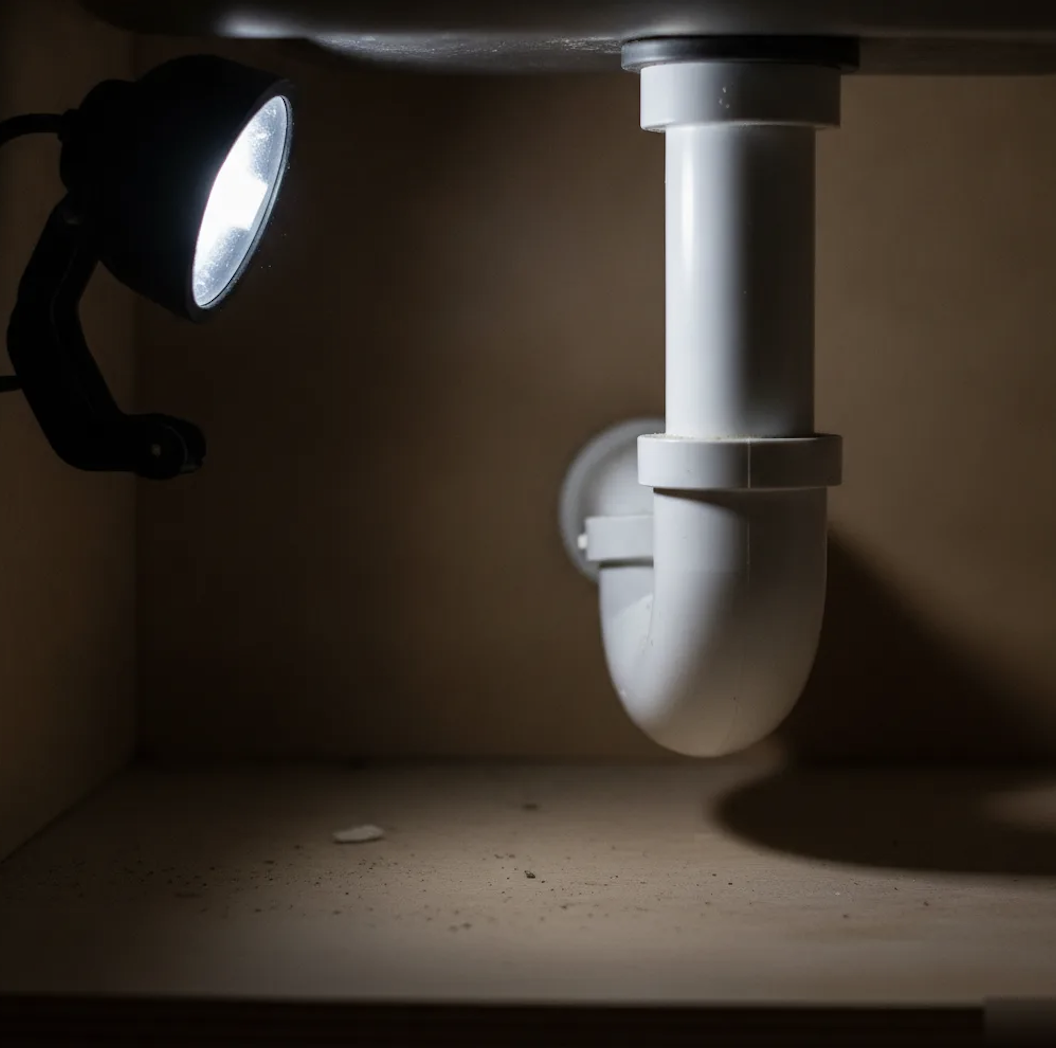
- Removing the old tank and hauling it away
- Connecting or replacing water supply lines and shutoff valves
- Hooking up gas lines and venting on gas units
- Installing the new water heater and checking for leaks
- Setting temperature and pressure relief valves to code
Electricians step in for a narrow set of jobs. If your electric water heater needs a new dedicated circuit, or the breaker panel can't handle the load, that's electrical work. Older homes in Sanford or Longwood sometimes have panels that just weren't built for today's appliances. In those cases, we bring in a licensed electrician to upgrade the wiring before we touch the tank.
Most tankless units also run on electric ignition or need higher power draw, but the plumbing side still leads the job.
We see homeowners call an electrician first all the time, thinking a water heater problem means an electrical problem. It rarely does. If the tank is leaking, rusted, or just old, that's plumbing. If the breaker keeps tripping and the unit still won't heat, that could be electrical, but even then, a plumber can usually tell you which one it is before you spend money on the wrong call.
Gas Water Heater Replacement: Why It's a Plumbing-Led Job
Got a gas water heater that's rusting out or stopped heating? This one's a plumber's job, plain and simple. Gas water heaters run on a fuel line, a water supply line, and a venting system that has to move exhaust safely out of your house. None of that is electrical work. An electrician doesn't touch gas lines and isn't trained on the plumbing connections that make a water heater safe to run.
We've walked into homes in Tuscawilla and Remington Park where an old gas unit was leaking at the base, and the fix wasn't just swapping the tank. It meant checking the gas shutoff valve, the flex connector, and making sure the vent pipe still met code after 12 years of Florida humidity working on it.
So what does a plumber handle on a gas replacement? Here's the short list of what's involved on nearly every job:
- Disconnecting and reconnecting the gas supply line safely
- Removing and replacing the old tank without damaging surrounding pipes
- Connecting cold water inlet and hot water outlet lines
- Installing a new temperature and pressure relief valve with proper drain line
- Checking and adjusting the venting to make sure exhaust clears the roofline correctly
Every one of those steps touches water or gas lines. That's plumbing territory, not electrical. And if the gas connection isn't sealed right, you're not looking at a minor inconvenience, you're looking at a safety issue in your home.
Here's a scenario we see more than you'd think. A homeowner calls an electrician because their water heater 'just stopped working,' assuming it's a wiring problem. Turns out the pilot light went out and the gas valve needs replacing. Wrong trade, wasted trip, and now the tank's been sitting cold for another day. Most people don't realize a gas water heater has almost nothing to do with electrical wiring until they're standing in a cold shower wondering why the electrician can't help.
Oviedo homes on natural gas or propane lines need someone who's licensed to work on both the fuel side and the water side. That's a plumber, every time.
One more thing worth knowing: local code in Seminole County requires specific clearances and venting standards for gas water heaters, and a licensed plumber knows what inspectors are checking for.
If your gas water heater is on its way out, don't waste time calling around. Brightwater Plumbing of Oviedo handles gas, electric, and tankless water heater installation for homes across Oviedo and Seminole County, and we can walk you through what a proper replacement looks like on our water heater installation page.
Electric and Heat Pump Water Heaters: When Wiring Work Comes Into Play
Electric water heaters run on a dedicated 240-volt circuit. Most homes already have one wired in from the last install. But if you're switching from gas to electric, or upgrading to a heat pump water heater, that circuit might not exist yet.
Here's the thing homeowners in older Oviedo neighborhoods run into a lot. Tuscawilla and Alafaya Woods have plenty of homes built decades ago, and their electrical panels weren't sized for today's appliances. Add this type of unit, and you're asking the panel to support one that draws more power and needs its own breaker. That's when things get complicated.
A heat pump water heater is a different animal than a standard electric tank. It pulls heat from the surrounding air, which means it also needs proper airflow and space, usually a room with at least 1,000 cubic feet according to most manufacturer guidelines. And it draws power a bit differently than a basic resistance-style electric heater. Some models still work fine on existing 30-amp circuits. Others need upgraded wiring or a bigger breaker.
So how do you know if you need an electrician involved? Here are the situations that usually call for one.
- Your home's panel is more than 20 years old or already near capacity
- You're installing this type of unit and there's no existing 240V circuit nearby
- The breaker box shows signs of past overheating or corrosion
- You're converting a gas water heater setup to electric for the first time
- Local code requires a permit inspection tied to new circuit work
We see this mistake all the time: someone buys one of these units expecting a simple swap, then finds out the electrical side needs work first. It's not a deal breaker, it just means an extra call before installation day.
For most standard electric tank replacements, though, a licensed plumber can handle the whole job. The existing circuit is already there, the wiring's already sized right, and the plumber just connects to what's in place. No new circuit, no electrician needed. That's the situation for the majority of straightforward electric water heater installation Oviedo calls we get.
Brightwater Plumbing of Oviedo handles water heater installation for gas, electric, and tankless systems, and we'll tell you upfront if your home needs an electrician on the wiring side before we touch anything.
Curious which category your setup falls into? That's worth a quick look before you buy a new unit.
Frequently Asked Questions
How do I know if my water heater issue is a plumbing problem or an electrical one?
Most water heater problems are plumbing issues, not electrical ones. A leaking tank, rust, low hot water, or a bad pilot light all point to plumbing. Electrical problems usually show up as a tripped breaker paired with a unit that never heats at all. If you're not sure, a plumber can check both sides before you spend money on the wrong trade. This saves you a wasted trip and gets your hot water back faster. Our water heater installation page walks through what a full diagnosis looks like.
Can I replace my own hot water heater, or should I call a professional?
You should call a licensed plumber for this job, not try it yourself. Water heaters connect to gas lines, water lines, and pressure relief systems that need to meet local code. A mistake here can cause leaks, gas hazards, or a unit that fails inspection. Even a simple tank swap involves shutoff valves, venting checks, and testing for leaks before the job is done. Homeowners across Oviedo call a plumber first because the risk of getting it wrong outweighs any time saved doing it alone.
Do older Oviedo homes need an electrician before installing a new water heater?
Sometimes, but only if you're switching to electric or a heat pump unit. Neighborhoods like Tuscawilla and Alafaya Woods have homes with electrical panels built decades ago. Those panels often can't support a new dedicated circuit for today's water heaters. In that case, a plumber will bring in a licensed electrician to upgrade the wiring first. Most gas and standard electric replacements don't need this step at all, since the existing circuit usually works fine.
Why do gas water heaters in Oviedo need a plumber instead of an electrician?
Gas water heaters run on fuel lines, water lines, and a venting system, and none of that is electrical work. An electrician isn't trained to handle gas connections or the plumbing that keeps a water heater safe. Seminole County also has specific clearance and venting rules for gas units. A licensed plumber knows what local inspectors check for during a replacement. This is why gas tank swaps in Oviedo are handled start to finish by plumbing crews.
What's a common mistake homeowners make when their water heater stops working?
The most common mistake is calling an electrician first, assuming the problem is wiring. In reality, a dead pilot light, a bad gas valve, or a rusted tank causes most failures, and those are plumbing issues. This mix-up leaves your water heater cold for another day while you wait on the wrong trade. Calling a plumber first usually gets the right answer faster, since they can rule out electrical causes on the spot.
Does a heat pump water heater need different wiring than a standard electric tank?
Yes, sometimes it does. Heat pump water heaters draw power differently than a basic electric tank, and some homes need a bigger breaker or upgraded wiring to support one. They also need extra space for airflow, since they pull heat from the surrounding air. A plumber will check your setup first and loop in an electrician only if the panel needs work. Most of the install still falls under plumbing, from the water lines to the drain connections.
Get a Free Quote!
Terms and Conditions
Request a Quote
Terms and Conditions
Request a Quote
Terms and Conditions