

Septic Line Jetting in Oviedo
Septic line jetting in Oviedo done right. Brightwater Plumbing clears blockages with high-pressure jetting. Serving Oviedo and surrounding areas. Book today.
Free Estimate
Signs Your Septic Line Needs Jetting, Not Just Snaking
A snake clears a hole through the clog. That's it. It punches a path so water can flow again, but it leaves grease, sludge, and buildup stuck to the pipe walls. For homes on septic systems out in Chuluota and Geneva, including those needing septic line jetting oviedo, that leftover buildup comes back fast. We see it every week.
So how do you know a snake won't cut it? Watch for these signs:
- Drains slow down again within a few weeks. If you just had a line snaked and the same sink or tub is backing up already, the blockage wasn't removed. It was poked through.
- Multiple fixtures drain slowly at the same time. A single slow sink is usually a branch line issue. But when your toilet, shower, and kitchen drain all act sluggish together, the main septic line is the problem.
- Sewage odor near your drain field or cleanout. That smell means waste is sitting in the pipe longer than it should. Buildup is narrowing the line and slowing flow to the tank.
- Gurgling sounds when you flush. Air trapped behind a partial blockage makes that noise. A snake might quiet it for a day or two, but the gurgling always returns if the pipe walls are coated.
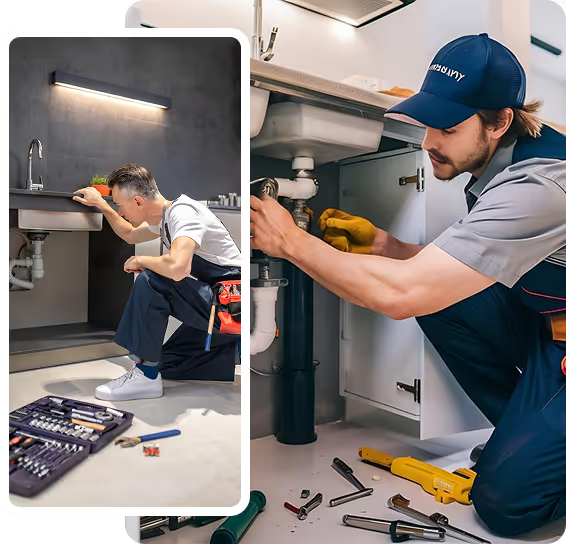
Here's the thing most Oviedo homeowners don't realize. Septic lines collect buildup differently than city sewer lines. There's no municipal pressure pushing waste along. Everything relies on gravity and proper flow. Once grease or organic sludge narrows even a small section of pipe, the whole system slows down.
When someone tells us they've had the same line snaked two or three times in a year, jetting is what they actually needed from the start. A snake pokes a hole. Jetting strips the pipe walls clean and restores full diameter.
Not sure which one you need? That's actually pretty common. A camera inspection shows exactly what's going on inside the line before we recommend anything.
What Happens During a Septic Line Jetting Service
You've probably never watched someone jet a septic line. Most folks just want the problem gone. But knowing what happens step by step helps, so here's how we do it when we show up to your Oviedo property.
- We locate the cleanout. Every septic system has an access point where we can reach the main line. On older homes out near Chuluota, these cleanouts are sometimes buried under a few inches of dirt and grass. We find it, clear it, and open it up.
- We send a camera through the line first. Before any water hits the pipe, we need to see what we're dealing with. Grease buildup looks different than root intrusion, and the fix changes depending on what the camera shows. This step saves you money because we're not guessing.
- We feed the jetting hose into the line. The hose has a special nozzle on the end that shoots water forward and backward at the same time. Forward to break through the blockage, backward to flush everything toward the tank where it belongs.
- We work the line in sections. We don't just blast and pull out. We move the hose slowly, clearing each stretch of pipe before moving to the next. Stubborn spots get extra attention.
- We run the camera again. Once the jetting is done, we send the camera back through to confirm the line is clear. If something still looks off, we address it right then.
The whole process usually takes about an hour for a standard residential line in Oviedo. Longer runs or heavily blocked systems can take more time, but we'll tell you that upfront.
The blockage is often a combination of solid waste buildup and root fibers that crept in through a joint. Central Florida's sandy soil and year-round growing season mean roots never stop looking for moisture. Your septic line is basically an all-you-can-drink buffet for oak and palm roots.
And here's something people don't expect. The water pressure we use is strong enough to scour the pipe walls clean, but it won't damage a pipe that's in decent shape. If the pipe is already cracked or collapsed, the camera inspection catches that before we ever start jetting. That's why Brightwater Plumbing always inspects first.
Why Older Oviedo Homes Require Extra Care Before Jetting
Homes built before the mid-1980s in Oviedo often have cast iron or clay drain lines running to the septic tank. Those materials were fine for their era. But after 40-plus years underground in Florida's wet, acidic soil, they're brittle. We can't just blast high-pressure water through a pipe that's already cracked or partially collapsed. That makes things worse, not better.
This is exactly why we inspect every older line with a camera before septic line jetting begins.
The camera tells us what we're working with. Is the pipe intact but clogged with grease and root intrusion? Or has a section already separated at a joint? Those are two very different situations, and the approach changes completely. Older homes in neighborhoods like Colonialtown or College Park almost always have at least one trouble spot we need to account for before we turn the jetter on.
Here's what we typically find in older Oviedo septic systems:
- Root intrusion through cracked clay pipe joints, sometimes filling half the line
- Scale buildup from decades of hard water running through cast iron
- Bellied sections where the pipe has sagged and collects standing waste
- Orangeburg pipe, a tar-paper material that collapses under jetting pressure
A bellied pipe can't be fixed with jetting alone. And Orangeburg pipe shouldn't be jetted at all. If we see either one on camera, we'll tell you straight and talk about repair options like trenchless sewer repair instead of pretending jetting will solve it.
We see a lot of homeowners in Oviedo who've been told they just need a "drain cleaning" on a system that's actually falling apart underground. That's not honest work. Our approach is different. We look first, then jet. If the pipe can handle the pressure safely, we proceed with the right nozzle and the right PSI for that specific material. Cast iron gets treated differently than PVC. Clay gets treated differently than both.
Older homes aren't a problem. They just need someone who knows what to look for before the water starts flowing. Brightwater Plumbing of Orlando is licensed and insured, and we've worked on enough aging septic systems across Central Florida to know when jetting is the answer and when it isn't.
What Septic Line Jetting Fixes, and What It Does Not
Most calls we get start the same way. Slow drains, gurgling toilets, a wet spot in the yard that won't dry out. Septic line jetting clears the problem in a single visit. But it's not a fix for everything, and we'd rather be straight with you about that upfront.
What Jetting Handles Well
Septic line jetting is built to break apart and flush out soft blockages inside your pipes. Here's what it knocks out regularly:
- Grease buildup that narrows the pipe over months of kitchen use
- Sludge and organic waste that settles between your house and the tank
- Tree root intrusions that are still small enough to cut through with water pressure
- Mineral scale from Oviedo's hard water, which coats pipe walls and traps debris
- Paper and waste clogs that a standard snake can't fully remove
We see a lot of this in Chuluota and Geneva where homes rely on private septic systems. No public sewer means your lines carry the full load every day. Grease and sludge build up faster than most folks expect.
Where Jetting Won't Help
Jetting pushes water at high pressure. That's great for clearing soft obstructions. It won't fix structural problems.
If your pipe has collapsed, separated at a joint, or developed a belly where water pools and waste sits, no amount of water pressure repairs that. We've pulled up to jobs where a homeowner already tried a snake and a store-bought enzyme treatment. Nothing worked because the pipe itself was broken underground. In those cases, a camera inspection shows you exactly what's going on before you spend a dollar on the wrong fix.
And if your septic tank is full or the drain field is saturated, jetting the line won't solve the backup. The line might be clear, the problem is downstream. We always check the full picture before we fire up the jetter.
Jetting is a cleaning tool. Not a repair tool. Knowing the difference saves you money and keeps your Oviedo home's septic system working the way it should. If we find something jetting can't handle, we'll tell you. Straight pricing, no upsell.
Keeping Septic Lines Clear in Oviedo Year-Round
Oviedo's climate works against your septic lines twelve months a year. Between the sandy soil, the high water table, and root systems that never go dormant, your lines face constant pressure that homeowners up north just don't deal with.
We see the same pattern over and over with Oviedo properties on septic systems. Everything seems fine for a year or two, then one heavy rain event in July pushes the system past its limit and you've got sewage backing up into your lowest drain. The fix at that point is reactive and stressful. The smarter move is staying ahead of it.
What Actually Keeps Lines Clear
There's no magic product you pour down a drain that replaces real maintenance. Here's what works:
- Schedule septic line jetting on a regular cycle, typically every 12 to 18 months for most Oviedo homes
- Watch what goes down your drains. Grease, wipes, and heavy food waste are the top three offenders we pull out of clogged lines
- Keep trees and large shrubs at least 10 feet from your drain field and main septic line
- Book a camera inspection if you notice slow drains returning within weeks of a cleaning
Properties out near Chuluota and Geneva tend to need more frequent service. Root intrusion in those rural lots is aggressive, and there's no public sewer to fall back on if your system fails.
Summer storms are the biggest wildcard. Oviedo can dump three inches of rain in an hour, and that saturated ground slows everything in your septic system to a crawl. If your lines already have buildup, that's when problems show up fast. We get more emergency calls in June through September than any other stretch of the year.
Treat your septic lines like you treat your car. Don't wait for the breakdown. Brightwater Plumbing of Orlando is licensed, insured, and we run septic line jetting across Oviedo on a same-day basis when you call before noon. One visit a year can save you from the kind of mess nobody wants to come home to.
Get a Free Quote!
Terms and Conditions
Request a Quote
Terms and Conditions
Request a Quote
Terms and Conditions
Frequently Asked Questions
Brightwater Plumbing provides expert plumbing services in Orlando, including leak repair, drain cleaning, water heaters, repiping, and more.
How do I know if my septic line needs jetting or just a regular snake?
If your drains slow down again within a few weeks of being snaked, jetting is what you actually need. A snake pokes a hole through the clog but leaves grease and sludge stuck to the pipe walls. When multiple fixtures — toilet, shower, kitchen sink — all drain slowly at the same time, that points to the main septic line. Jetting strips the pipe walls completely clean. A camera inspection before any work shows exactly what's inside your line.
Why do septic lines in the Oviedo area clog faster than city sewer lines?
Septic lines rely completely on gravity — there's no municipal pressure pushing waste along. Once grease or organic sludge narrows even a small section of pipe, the whole system slows down. Central Florida's year-round growing season also means tree roots never stop searching for moisture. Oak and palm roots creep through pipe joints constantly. Homes out in areas like Chuluota and Geneva see buildup return faster because of this. Jetting clears the full pipe diameter, which keeps things flowing longer than snaking does.
How often should Oviedo homeowners schedule septic line jetting?
Most Oviedo homeowners on septic systems benefit from jetting every one to three years, depending on household size and how much root activity is near the line. If you've had the same line snaked two or three times in a single year, that's a clear sign jetting should have been the first call. Homes near mature oak trees need more frequent attention because roots grow back. A camera inspection after each jetting gives you a clear picture of how fast buildup or root intrusion returns in your specific yard.
Is high-pressure jetting safe for the pipes in my older Oviedo home?
Jetting is safe on pipes that are in decent shape, but older Oviedo homes need a camera inspection first. Homes built before the mid-1980s often have cast iron or clay lines that have been sitting in Florida's wet, acidic soil for 40-plus years. Some have Orangeburg pipe, which collapses under jetting pressure. We check the pipe condition on camera before we ever turn the jetter on. If the pipe can't handle it safely, we tell you straight and talk about repair options instead.
What should I expect when a technician arrives to jet my septic line?
The first thing we do is locate your cleanout access point — on older properties it's sometimes buried under dirt and grass, so give yourself a few extra minutes if you know where it is. Then we run a camera through the line before any water pressure is used. After that, the jetting hose goes in and works the line in sections, flushing everything toward the tank. We run the camera again at the end to confirm the line is clear. A standard residential job in Oviedo usually takes about an hour.
Can septic line jetting fix a slow drain caused by a bellied or collapsed pipe?
No — jetting cannot fix a bellied or collapsed pipe, and trying to jet one can make things worse. A bellied section is where the pipe has sagged underground and collects standing waste. No amount of water pressure changes the slope. When our camera finds a belly or a collapsed section, we stop and talk about repair options like trenchless sewer repair instead. This is one of the most common things we find in older Oviedo neighborhoods, and it's important to know before any work begins.