

Water Softener Installation in Oviedo | Brightwater Plumbing
Expert water softener installation in Oviedo that protects your pipes, appliances, and water quality. Brightwater Plumbing of Orlando handles it all. Book today.
Free Estimate
Oviedo's Hard Water Problem Starts Underground
The water coming into your Oviedo home picks up minerals long before it reaches your faucet. It starts in the Floridan Aquifer, which sits beneath a thick layer of limestone. As groundwater moves through that rock, it absorbs calcium and magnesium. By the time it gets pumped to the surface and treated at a utility plant, those minerals are still there. The treatment process removes bacteria and adjusts pH, but it doesn't strip out hardness, which is where a water softening equipment supplier in oviedo comes in.
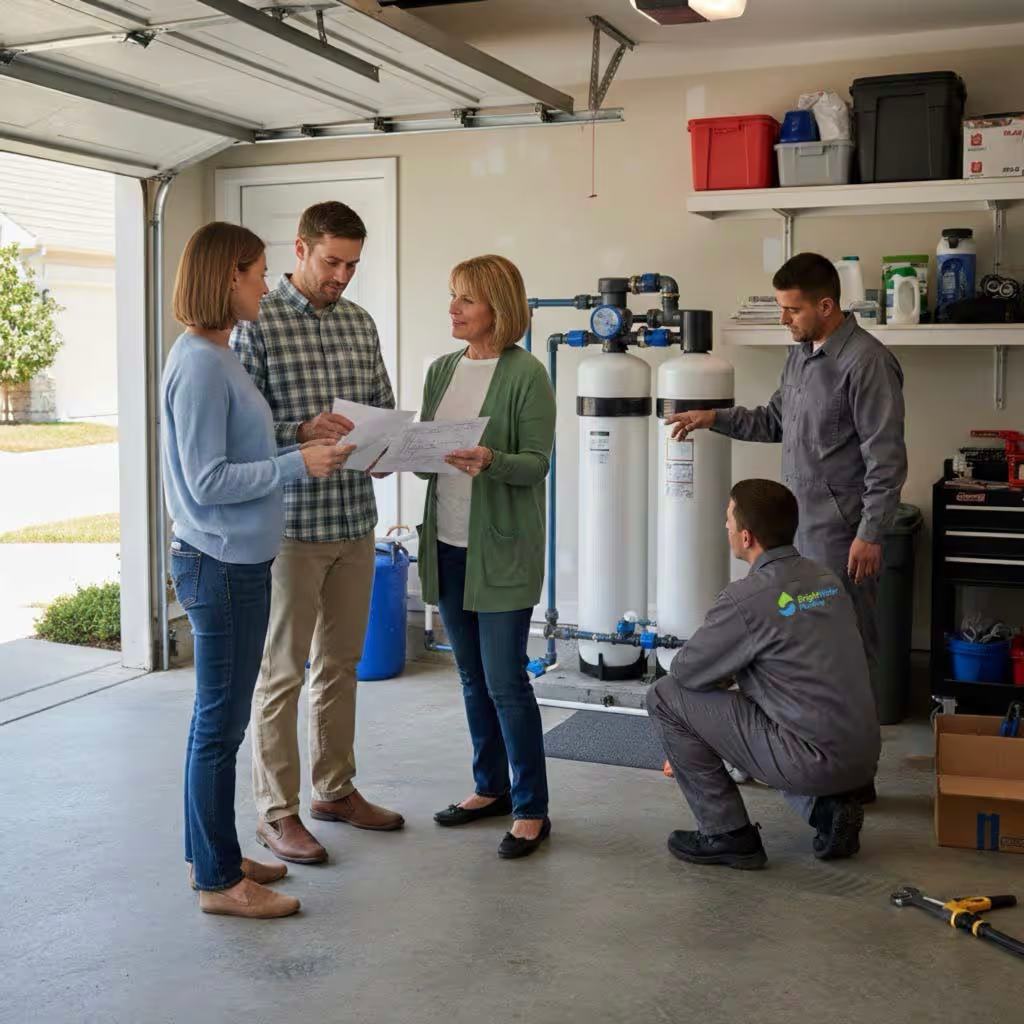
So what does that mean for your house? Scale buildup. Everywhere.
According to the U.S. Geological Survey, most of Central Florida's groundwater tests above 120 parts per million for hardness. That puts it firmly in the "hard" to "very hard" range. You'll notice it in a few ways:
- White crusty deposits around faucet aerators and showerheads
- A film on glass shower doors that won't come off with regular cleaner
- Clothes that feel stiff or look dingy after washing
- Water heater elements burning out faster than they should
We see this every week in neighborhoods like Tuscawilla and Alafaya Woods. Homeowners call about a water heater that died early, and when we pull the old unit out, the tank is caked with mineral deposits inside. That buildup acts like insulation between the heating element and the water. It forces the heater to work harder and burn out sooner.
Hard water doesn't just shorten the life of your water heater. It coats the inside of your supply pipes over time. Fixtures corrode faster. Dishwashers and washing machines take a hit too. The damage is slow, which is the tricky part. You don't wake up one morning and see a crisis. You just replace things more often than your neighbors in cities with softer water.
That's exactly why water softener installation makes such a difference here in Oviedo. You're not fixing a luxury problem. You're protecting real plumbing infrastructure that costs real money to replace.
Signs Your Home Is Ready for a Water Softener
You might not wake up one morning and think "I need a water softener." It's more gradual than that. But the signs are there if you know what to look for, and in Oviedo they show up faster than most people expect.
Hard water leaves clues all over your house. Here are the ones we see most often when we're called out for water softener installation:
- White, chalky buildup around your faucets and showerheads that keeps coming back no matter how much you scrub
- Soap and shampoo that won't lather well, leaving your skin feeling dry or filmy after a shower
- Spots and streaks on glasses and dishes straight out of the dishwasher
- Clothes that come out of the wash looking dull or feeling stiff
- A water heater that's losing efficiency or making popping sounds from scale buildup inside the tank
It's the same story every time. A homeowner in Tuscawilla or Alafaya Woods calls about a water heater that died early, and when we pull the old unit we find the inside caked with mineral deposits. That's hard water doing its thing over five, eight, ten years. According to the U.S. Geological Survey, most of Central Florida's groundwater registers as hard to very hard. Your plumbing pays the price quietly.
And it's not just your water heater. Hard water shortens the life of washing machines, dishwashers, and any appliance that runs water through it. Scale narrows your pipes over time, which means slower flow and higher pressure on joints and fittings.
So how do you know for sure? We test the water right at your tap. Takes a few minutes. The number we're looking at is grains per gallon. Anything above 7 gpg is considered hard, and most homes we test in Oviedo come back between 12 and 20 gpg. That's firmly in the "your fixtures and appliances are taking a beating" range.
If you're noticing even two or three of those signs, your home is telling you something. Don't wait until a water heater fails or a faucet corrodes through to act on it.
What Water Softener Installation Actually Involves
Most folks think we just drop a unit next to the water heater and call it a day. Not even close. A proper water softener installation in Oviedo takes planning, pipe work, and testing before we hand you the keys.
Here's what the process looks like from start to finish:
- We check your water first. We test hardness levels and look at what's actually in your supply. Homes near Waterford Lakes and the Alafaya corridor often test well above 15 grains per gallon. That number tells us what size unit your home needs.
- We pick the right spot. The softener goes on your main water line, usually in the garage or a utility closet. It has to sit before the water heater but after the main shutoff. If your home doesn't have an accessible loop, we install one.
- We tie into your plumbing. This means cutting into your main supply line, adding bypass valves, and running a drain line for the regeneration cycle. We solder or use press fittings depending on your pipe material. No shark bites on a permanent install.
- We set up the drain and overflow. The unit needs somewhere to flush brine water during its cleaning cycle. We route that to a floor drain, laundry standpipe, or utility sink. Getting this wrong causes backups, so we get it right.
- We program and test. We dial in your hardness setting, set the regeneration schedule, and run water through every fixture to confirm soft water is reaching the whole house.
Most jobs wrap up in one visit. But older homes in Oviedo sometimes throw us a curveball, galvanized pipes, tight garage layouts, missing electrical outlets near the install point. We deal with all of it.
One thing people don't always think about: your outdoor hose bibs shouldn't run through the softener. Soft water is great inside, bad for your lawn. We set up the bypass so your irrigation stays on untreated water. It's a small detail, but we handle it on every job because we've seen what happens when someone skips it.
The whole point is that you turn on a faucet and forget the system is even there. That's what a clean install gives you.
Sizing and Placement for Florida Homes
Getting the right size water softener matters more than most people think. Too small and it can't keep up with your household. Too big and you're wasting salt, water, and money on every regeneration cycle. We see this mistake all the time in Oviedo, especially in homes where the previous owner installed whatever was on sale.
So how do we figure out what fits your home? It comes down to two things: how many people live there and how hard your water is. Seminole County water tests consistently hard, with mineral levels that wear through appliances faster than most parts of the country. A two-bathroom home with three people needs a very different unit than a five-bath house in Tuscawilla with a family of six.
What We Look At During Sizing
- Number of bathrooms and water-using appliances
- Daily water usage based on household size
- Hardness level from your water test, measured in grains per gallon
- Iron or sulfur content that might need extra treatment capacity
We test your water on-site before recommending anything. That ten-minute test tells us exactly what your softener needs to handle. No guessing.
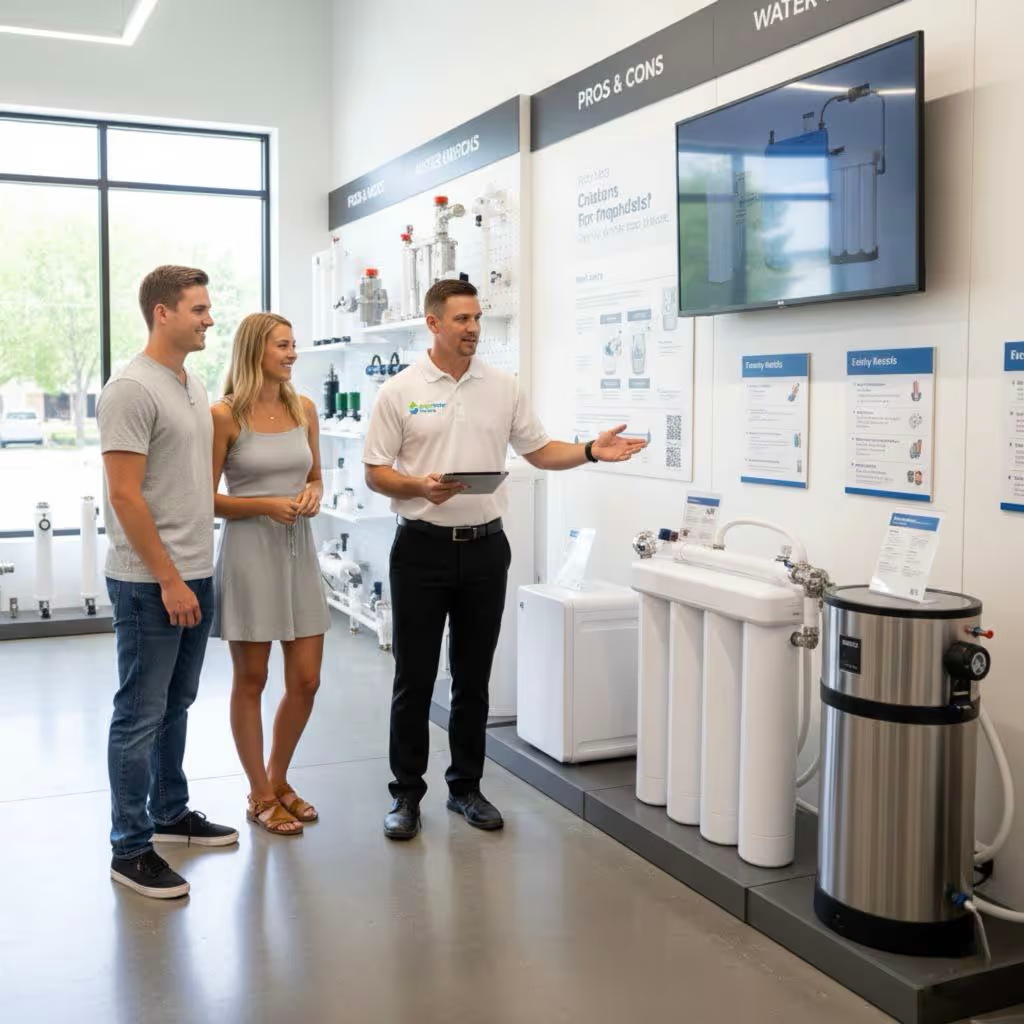
Placement is the other half of the job. Most Oviedo homes have the main water line entering through the garage. That's the ideal spot for a water softener, right after the main shutoff and before the line splits to your water heater and the rest of the house. But not every garage has the space or the drain access we need for the regeneration cycle.
In older homes near downtown Oviedo, we sometimes install in a utility closet or a covered outdoor area. Florida code allows outdoor placement as long as the unit is protected from direct weather. We run the drain line to an approved point, tie into the main supply, and make sure nothing interferes with your water heater or other plumbing. The whole layout gets planned before we cut a single pipe.
One thing we won't do is squeeze a unit into a spot where you can't service it later. If you can't reach the salt tank or access the valve, that softener becomes a problem instead of a solution. We think about the next five years of maintenance every time we pick a location.
Permit Requirements and Licensed Installation in Orange County
Here's something most folks don't think about until it's too late. Water softener installation in Oviedo requires a plumbing permit through Orange County's Building Division. Skip that step and you're looking at fines, failed inspections down the road, or real problems when you try to sell your home.
We handle the permit process for every job we do. It's not complicated for us because we do it all the time, but for a homeowner trying to figure out Orange County's online portal and code requirements on their own? That's a headache you don't need.
What the Permit Covers
The permit makes sure your water softener ties into your plumbing correctly and meets Florida's plumbing code. An inspector checks the drain line routing, the bypass valve setup, and the connection to your main water supply. They're also verifying that whoever did the work holds a valid plumbing license. That last part matters more than people realize.
We've seen homeowners in the Waterford Lakes area call us to fix installations done by unlicensed contractors. No permit was pulled. The drain line was dumping softener backwash into the yard instead of a proper drain. The homeowner had no idea until their irrigation started dying from the salt.
A licensed plumber knows where that discharge needs to go and how Oviedo's code applies to your specific setup. The problems we fix on bad installations would have been caught by a simple inspection.
Here's what you should expect from a properly permitted installation:
- Permit pulled before any work starts
- Installation done by a licensed, insured plumber
- County inspection scheduled after the job is complete
- Signed-off permit on file with Orange County for your records
Brightwater Plumbing of Orlando is licensed and insured. We pull permits because it protects you, not because it's convenient for us. That signed-off permit becomes part of your home's record. If you ever sell, buyers and their inspectors will look for it. So will appraisers. Having everything documented and code-compliant saves you from a mess later, and it costs nothing extra to do it right the first time.
Get a Free Quote!
Terms and Conditions
Request a Quote
Terms and Conditions
Request a Quote
Terms and Conditions
Frequently Asked Questions
Brightwater Plumbing provides expert plumbing services in Orlando, including leak repair, drain cleaning, water heaters, repiping, and more.
Does Oviedo's water actually need a softener, or is that just a sales pitch?
Oviedo's water genuinely needs a softener — this isn't a sales pitch. The Floridan Aquifer runs through limestone, and that process loads your water with calcium and magnesium before it ever reaches your tap. Most homes we test in Oviedo come back between 12 and 20 grains per gallon. Anything above 7 gpg is considered hard. That level of hardness shortens the life of your water heater, washing machine, and dishwasher. You'll feel the difference fast after installation.
Will a water softener affect my lawn or irrigation system?
Your irrigation system should not run through the softener — and we make sure it doesn't. Softened water is treated with sodium, which is great for your pipes and appliances but bad for grass and plants over time. We set up a bypass so your outdoor hose bibs and irrigation lines stay on untreated water. It's a small detail that matters a lot in Oviedo, where most homes have active irrigation systems running year-round.
How do I know what size water softener my Oviedo home needs?
We test your water hardness right at the tap before recommending any unit. The number we look at is grains per gallon. Homes in neighborhoods like Tuscawilla and Alafaya Woods often test above 15 gpg. We also factor in how many people live in the home and your daily water use. Getting the size right matters — an undersized unit won't keep up, and an oversized one wastes salt and water during regeneration cycles.
How long does water softener installation take in Oviedo?
Most water softener installations in Oviedo wrap up in a single visit. The job involves cutting into your main supply line, adding bypass valves, running a drain line, and programming the unit. That's a few hours of work for a straightforward setup. Older Oviedo homes can add time — galvanized pipes, tight garage layouts, or missing electrical outlets near the install point are the most common delays. We handle those on the same visit when possible.
Where does the water softener get installed in my home?
The softener goes on your main water line, before the water heater but after the main shutoff valve. In most Oviedo homes, that means the garage or a utility closet. The unit also needs a nearby drain for its regeneration cycle — we route that to a floor drain, laundry standpipe, or utility sink. If your home doesn't have an accessible plumbing loop already set up, we install one as part of the job.
What are the first signs that hard water is damaging my plumbing?
White chalky buildup around faucets and showerheads is usually the first thing you notice. You might also see spots on dishes straight from the dishwasher, skin that feels dry after showering, or clothes coming out stiff from the wash. The sign people miss most often is a water heater that's losing efficiency or making popping sounds. That noise is scale buildup on the heating element — and by the time you hear it, the damage is already adding up.