

What are the potential drawbacks of installing a water softening system?
Ensure your home stays dry and safe with our expert leak detection services. Identify plumbing issues early to prevent costly damage and stress.
Free Estimate
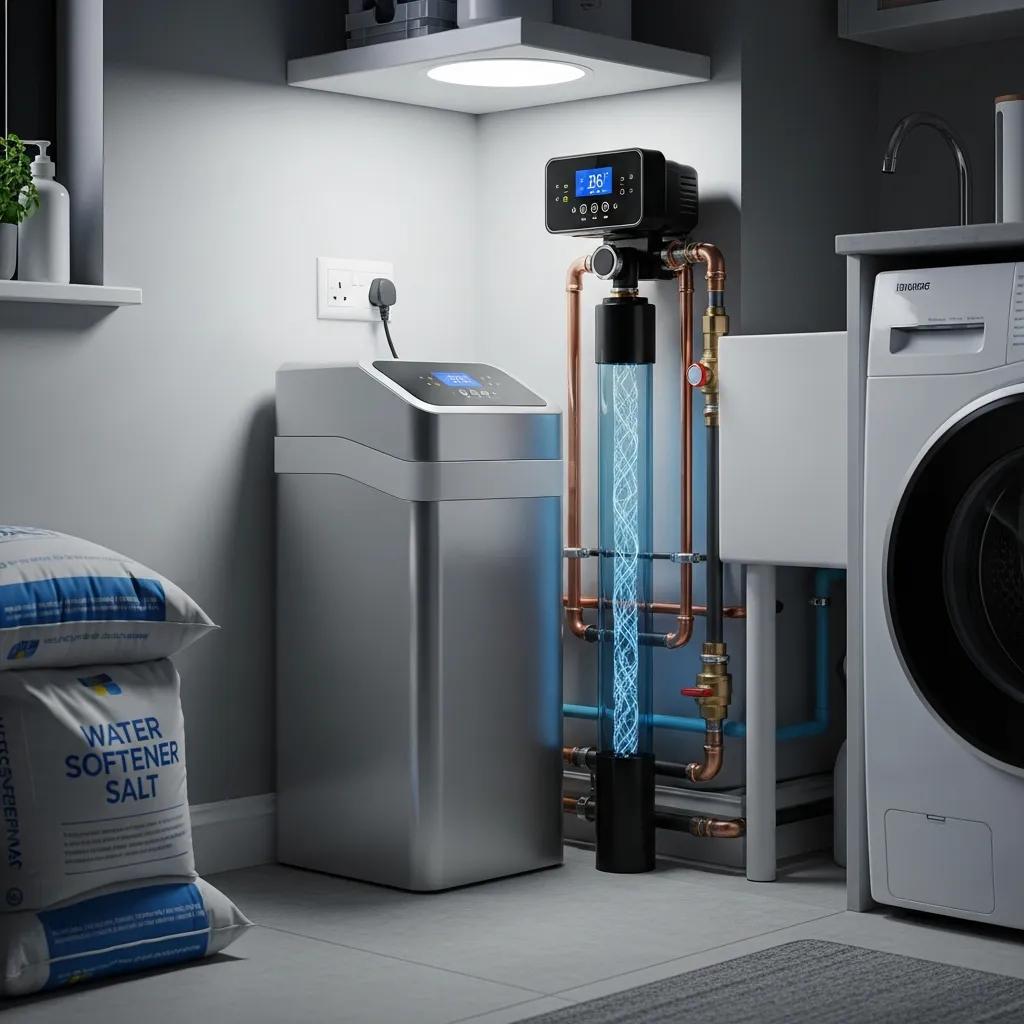
Water softeners remove hardness from your water—mainly calcium and magnesium—which can make soap work better and reduce scale in pipes and appliances. But they’re not without trade-offs. Below we walk through the potential health, plumbing, environmental, and cost concerns—plus practical alternatives—so you can decide what’s right for your home.
What Are the Health Risks Associated with Softened Water?
Softened water can raise a few health concerns, mostly because of added sodium and the loss of some minerals people normally get from drinking water.
How Does Increased Sodium Intake Affect Health?

Many ion-exchange softeners swap calcium and magnesium for sodium ions. That can slightly increase the sodium in your drinking water — something to watch if you’re on a low-sodium diet or have high blood pressure. The American Heart Association suggests keeping sodium under 2,300 mg per day (1,500 mg if you have hypertension), so people with strict limits should factor softened water into their daily intake.
Research has also found links between softer drinking water and higher rates of hypertension in some populations.
Soft Water & Hypertension — Study Summary
A 2019 study reported higher rates of hypertension and prehypertension in areas with softer water compared with harder-water regions (P < 0.001). Logistic regression found age, BMI, waist circumference and water hardness were significantly related to hypertension; regions with higher hardness showed lower hypertension odds (OR 0.26, 0.17–0.42).
Association of consumption of excess hard water, body mass index and waist circumference with risk of hypertension in individuals living in hard and soft water areas, M Yousefi, 2019
What Are the Effects of Mineral Loss in Softened Water?
Softening removes calcium and magnesium from the water—minerals that contribute to bone and heart health. For most people these minerals come mainly from food, but if you rely on tap water as a supplemental source, softened water can reduce that contribution. If this is a concern, consider other dietary sources or a drinking-water filter that preserves minerals.
How Do Water Softeners Impact Home Plumbing Systems?
Water softeners can protect appliances from scale, but they can also change how water interacts with plumbing—especially older pipes.
Can Softened Water Cause Corrosion in Older Pipes?
Because softened water lacks the mineral scale that can form a protective layer, it can be slightly more corrosive—particularly in older copper or galvanized steel systems. If your home has aged plumbing, have a licensed plumber inspect compatibility before you install a softener.
Why Might Additional Filtration Be Necessary with Water Softeners?
Standard water softeners tackle hardness, not disinfectants, metals or microbes. If your water test shows chlorine, lead, or bacterial concerns, you’ll likely need extra filtration (carbon, RO, UV, etc.). That adds complexity and cost, so plan your whole-house treatment strategy up front.
What Are the Environmental Concerns of Using Water Softening Systems?
There are environmental trade-offs to consider—mainly salt (brine) discharge and the water used during regeneration cycles.
How Does Brine Discharge Affect Local Ecosystems?

Ion-exchange softeners produce brine during regeneration. If that salty wastewater reaches streams or sewer systems untreated, it can raise salinity and harm aquatic life. It’s worth checking local disposal rules and considering systems that reduce or eliminate brine discharge if environmental impact matters to you.
Studies document that concentrated brine can reduce growth and disrupt food chains in marine and freshwater environments.
Environmental Impact of Brine Disposal
Brine discharge is a major environmental concern in desalination and similar processes. High-salinity discharge can severely affect the production and growth of marine organisms; because species are interconnected, damage to one group can ripple through the ecosystem.
An assessment of the environmental impact of brine disposal in marine environment, M Ahmed, 2012
Salt discharge also complicates wastewater reuse, which makes salt-free alternatives attractive in some settings.
Salt Discharge & Non-Salt Alternatives
Ion-exchange softeners reduce scale but release salt during regeneration, which can limit industrial wastewater reuse. Non-salt technologies can help homeowners reduce scale impacts without increasing salinity in the wastewater stream.
Magnetic Water Treatment for Scale Prevention on Water Heater Elements, 2020
What Is the Water Waste Involved in Regeneration Cycles?
Regeneration uses freshwater to flush the resin bed—typically around 20–50 gallons per cycle. In dry regions or where water use is tightly managed, that recurring consumption can be an important consideration when choosing a system.
What Are the Financial and Maintenance Costs of Water Softeners?
A softener is an investment: there’s an upfront price plus ongoing costs for salt, water, energy, and occasional service.
What Are the Recurring Costs for Salt and Energy?
Expect to buy salt regularly and pay a small amount for the electrical operation and regenerations. Typical salt costs range from about $5 to $20 per month depending on household size and usage; electric costs vary by model. Over time those modest expenses add up, so include them in your budget.
How Often Is Maintenance Required and What Are the Repair Risks?
Routine maintenance—refilling salt, cleaning tanks, and occasional service checks—keeps systems running. Skipping upkeep can shorten equipment life and lead to repairs. Ask your installer for a recommended maintenance schedule and estimated service costs.
What Alternatives Exist to Traditional Salt-Based Water Softeners?
How Do Salt-Free Water Conditioners Compare?
Salt-free conditioners use methods like template-assisted crystallization to reduce scale without removing minerals. They’re kinder to the environment and avoid added sodium, but they don’t actually remove hardness minerals and may not prevent scale in every situation the way a salt-based softener does.
What Customized Water Treatment Solutions Does Brightwater Plumbing Offer?
Brightwater Plumbing installs and advises on a range of water-treatment options—salt-based softeners, salt-free conditioners, reverse osmosis for drinking water, and hybrid systems. With over 25 years serving homeowners, we’ll test your water, discuss your priorities, and recommend a system that fits your home and lifestyle.
Frequently Asked Questions
How do I know my water softener needs maintenance?
Look for softer water that’s becoming less effective, a salty taste, visible scale on fixtures, or unusual noises from the unit. Longer or incomplete regeneration cycles can also indicate trouble. Regular checks and following the manufacturer’s maintenance schedule will keep things working smoothly.
Will softened water harm my garden or plants?
Using softened water for plants can raise soil sodium levels, which may stress sensitive plants and reduce nutrient uptake. For irrigation, many homeowners use untreated water or a separate line for outdoor use to protect landscaping.
Which plumbing types work best with softened water?
Modern materials like PVC and PEX are generally less affected by softened water. Older copper or galvanized steel pipes can be more vulnerable to corrosion once mineral scale is removed, so consult a licensed plumber if your home has aging plumbing.
What environmental benefits do salt-free conditioners offer?
Salt-free systems don’t produce brine during regeneration, so they reduce salt discharge to waterways and save water used for flushing. They also keep beneficial minerals in the water, which can be better for soil and plants when used outdoors.
How can I tell if a water softener is right for my home?
Start with a water test to measure hardness and other contaminants. Consider household water usage, health needs, plumbing age, and budget. A Brightwater Plumbing professional can evaluate your test results and recommend the best solution for your goals.
Are there long-term health effects from drinking softened water?
Long-term drinking of softened water can increase sodium intake, which matters for people with hypertension or heart concerns. Softened water also lacks calcium and magnesium, so monitor overall dietary mineral intake and discuss options with your healthcare provider if you have specific health needs.
Conclusion
Water softeners deliver real benefits, but they also bring trade-offs—health considerations, plumbing compatibility, environmental impacts, and ongoing costs. We recommend testing your water, weighing priorities, and talking with a qualified installer to pick the right approach. If you’d like help, Brightwater Plumbing can assess your water and outline practical options that fit your home.
Get a Free Quote!
Terms and Conditions
Request a Quote
Terms and Conditions
Request a Quote
Terms and Conditions