

What Are the Three Main Types of Plumbing Systems Every Homeowner Should Know? A Winter Garden Guide
Winter Garden's trusted plumber for fast, honest service you can count on.
Free Estimate
The Three Plumbing Systems Working Inside Every Home
Your home has three main plumbing systems. Each one has its own job, but they work as a team. Knowing how they fit together helps you catch issues early — and helps you describe what's happening when something goes wrong.
Here's how we break them down:
- The supply system. This brings clean water into your house. It's always under pressure. It feeds your faucets, showers, toilets, and water heater. In Winter Garden, your main supply line connects to the city water main buried under the street. That pressurized water moves through pipes in your walls and under your slab. You'll know fast when a supply line leaks — water spraying or pooling where it shouldn't is a clear supply-side problem.
- The drain-waste-vent (DWV) system. Once you use water, it has to go somewhere. The DWV system takes wastewater out of your home using gravity — no pumps or pressure involved. Pipes angle downward toward your sewer line. Vent pipes run up through your roof to let air in, which keeps drains flowing smoothly. A gurgling toilet or a slow drain usually points back to this system.
- The hot water system. Your water heater pulls cold water from the supply side, heats it, and delivers it through a second set of pipes to every fixture that needs it. It's technically tied into your supply system, but it acts like its own loop with its own kinds of problems — sediment buildup inside the tank, failing heating elements, corroded tanks. Brightwater Plumbing handles hot water system repair and water heater installation daily for homes across Windermere, Ocoee, and Horizon West.
Most homeowners don't realize these three systems are separate until something breaks.
Why This Matters in Central Florida
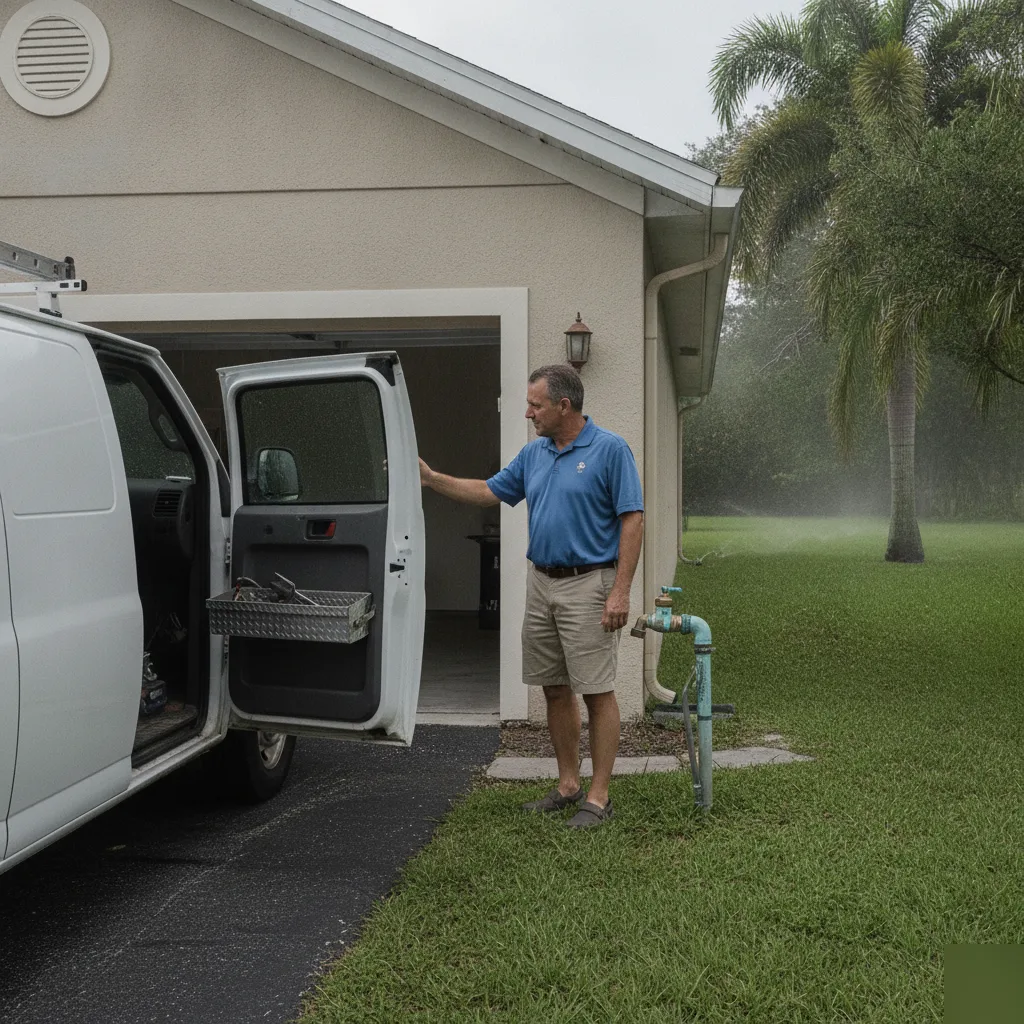
Our water is hard. You see it on your shower doors. The mineral content in Winter Garden's water causes scale buildup inside pipes over time — hitting your supply system first, then your water heater. Homeowners in Horizon West often deal with lower water pressure because calcium deposits have slowly narrowed their supply pipes. A water filtration or softener installation can slow that process down significantly.
Our soil matters too. Central Florida's sandy ground shifts. Most homes here sit on a concrete slab with supply and drain pipes running underneath it. When the ground moves, pipes crack. That's when plumbing leak detection or a sewer camera inspection becomes essential — it finds the exact problem spot without tearing up your whole yard first.
How the Systems Connect
Think of it as one big loop. Clean water comes in through the supply system. You use it at a sink or shower. Dirty water exits through the DWV system. Your water heater sits right in the middle — pulling from the supply and pushing hot water back out.
A problem in one system can look like a problem in another. Low hot water pressure might seem like a water heater issue, but it could actually be a corroding supply line. We see this mix-up often. A proper diagnosis matters before any repair starts.
If you're dealing with something that doesn't quite add up — slow drains plus low pressure, for example — two systems might be involved. A quick call to Brightwater Plumbing of Orlando can sort it out. We'll figure out which system is causing the trouble and fix the right thing the first time.
Your Water Supply System: The Pressure That Brings Water In
Every drop of water you use starts here. It comes out of your faucet, fills your toilet tank, and feeds your water heater. Your water supply system is the network of pipes that brings pressurized water from the city main into your home. Nothing else in your plumbing works without it.
Here's how it works. The city pushes water through a large main line buried under your street. A smaller pipe branches off that main and connects to your house — that connection point is your water main. Your responsibility as a homeowner begins there. From that spot, pipes split off to every fixture in your home: sinks, showers, toilets, the water heater, the outdoor hose bib.
How Pressure Makes It All Work
Supply pipes need pressure. It moves water uphill, through walls, and into second-story bathrooms. Most Winter Garden homes receive water at 40 to 80 psi from the municipal supply. That pressure lets you run the kitchen faucet and the shower at the same time.
Too much pressure causes real problems — it wears out valves fast and can burst supply lines inside walls. Too little pressure means weak flow and frustrating showers. We see both in homes across Windermere and Horizon West, especially in newer construction where pressure regulators sometimes need adjusting right after move-in.
What Your Supply Lines Are Made Of
The material of your supply pipes matters more than most people think. Here's what we commonly find in Central Florida homes:
- Copper pipes are tough and handle our hard water well, though pinhole leaks can develop over time.
- PEX tubing is a flexible plastic pipe used in most newer builds around Ocoee and Clermont. It resists corrosion and handles temperature changes better than copper.
- CPVC pipes show up in homes built from the late 1980s through the 2000s. They become brittle as they age in Florida's heat.
- Galvanized steel pipes are found in older homes. They corrode from the inside out, slowly restricting water flow year after year.
If your home has galvanized supply lines, you'll likely notice rusty water or dropping pressure at some point. That's the pipes closing up from the inside — it's just what happens over time.
Common Supply System Problems We See Locally
Central Florida's hard water is tough on supply plumbing. Mineral buildup narrows pipes slowly. One homeowner in Oakland called us about almost no water pressure in the upstairs bathroom. The supply lines feeding that bathroom were caked with calcium deposits — they looked fine from the outside but were nearly closed on the inside. That happens more than you'd think.
And then there's the water main itself. Tree roots love water main connections. A slow leak at the main draws them in. They wrap around the pipe. Suddenly you've got a soggy patch in your yard and a water bill that's doubled. Those old oak trees in Tildenville can really cause some damage.
Supply system issues aren't always dramatic. Sometimes it's just a slow drip behind a wall that goes unnoticed for months. Plumbing leak detection catches these problems before they turn into mold or structural damage.
Watch for these signs: low water pressure at one or more fixtures, discolored water when you first turn on a tap, unexpected spikes in your water bill, or damp spots on walls or ceilings. Any of these can point back to your supply system.
Your Drainage System: Where Water Goes After You Use It
Every drop of water that leaves your sink, shower, or toilet needs somewhere to go. That's your drainage system working — the second of the three main plumbing systems in your home, and the one that causes the most panic when things go wrong.
Your drainage system uses gravity. No pumps. No pressure. Water simply flows downhill through a network of pipes angled toward either your city sewer connection or your septic tank. Simple concept — but the details really do matter.
How Drain Pipes Move Waste Out
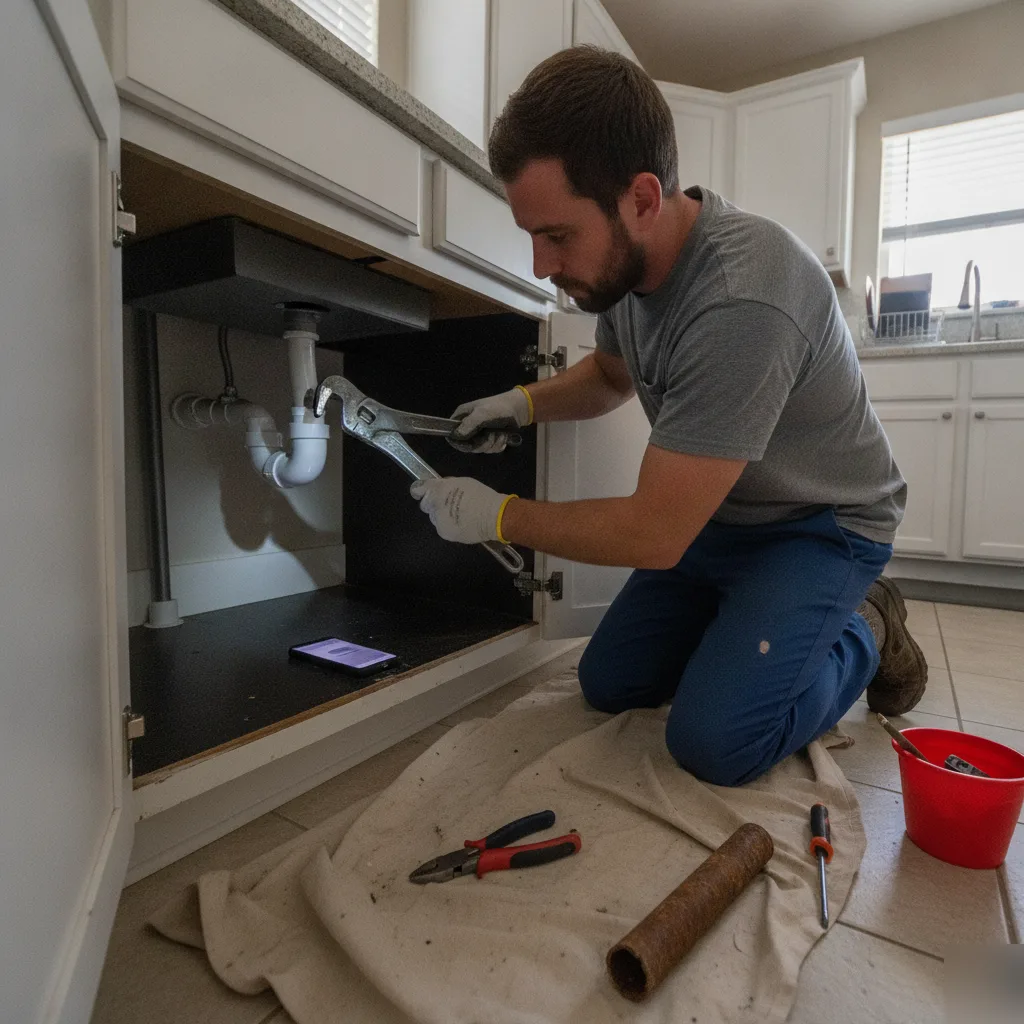
Every fixture in your home connects to a drain line. Your toilet uses the biggest pipe — usually 3 to 4 inches wide. Sinks and showers use smaller pipes, typically 1.5 to 2 inches. All of those branch lines feed into one main drain line that exits your house underground.
We see this a lot in Winter Garden homes built in the early 2000s. The branch lines are fine, but the main sewer line running under the yard has shifted or cracked. Roots from oak trees love to find those tiny cracks. Once they get in, you've got a slow drain that turns into a full backup on a heavy-use weekend when the whole family is home.
That's exactly why sewer camera inspection is so useful. A small camera goes into the line and shows us the problem directly — no digging up your yard first.
The Role of Vents in Your Drainage System
Here's something most homeowners don't know: your drainage system needs air to work properly. Vent pipes run from your drain lines up through the roof. They let air into the system, which helps water flow smoothly without gurgling or sputtering.
If you hear a gurgling sound when you flush a toilet or drain a bathtub, that's often a vent problem. Blocked vents create a vacuum in the pipes. Water slows down, traps lose their seal, and sewer gas can creep into your home. It's a clear sign something needs attention.
Traps: Your First Line of Defense
Look under any sink in your house. See that curved pipe? That's a P-trap. It holds a small amount of water at all times, and that standing water blocks sewer gases from rising back through the drain into your living space.
Every fixture has one. Toilets have a built-in trap. Floor drains in garages and laundry rooms have them too. If a drain you rarely use starts to smell, the trap water has probably evaporated. Just run the water for 30 seconds. Easy fix.
Common Drainage Problems in Central Florida
Our area has specific challenges that affect drainage systems more than other parts of the country:
- Tree root intrusion into sewer lines — especially common in older neighborhoods near Oakland and Tildenville where mature trees have deep root systems
- Shifting sandy soil that causes pipes to settle unevenly, breaking the gravity flow the system depends on
- Hard water mineral buildup inside drain pipes that slowly narrows the opening over many years
- Heavy summer storms that can overwhelm older sewer connections and push water back toward the house
Most of these problems start small — a slow drain in one bathroom, a faint smell near a floor drain. But they build over time, and the longer you wait, the bigger and more expensive the fix gets. It's always better to call sooner.
If you're noticing slow drains or backups in your Winter Garden home, we handle drain cleaning, sewer line repair, and drain jetting. Worth a call before a small annoyance turns into a Saturday night emergency.
Get a Free Quote!
Terms and Conditions
Request a Quote
Terms and Conditions
Request a Quote
Terms and Conditions
Frequently Asked Questions
Common questions about how do plumbers detect hidden leaks? professional techniques revealed services
How do I know if my plumbing problem is a supply issue or a drain issue?
Look at how the water is acting. If water is spraying, pooling, or your pressure suddenly drops, that's your supply system. If a drain gurgles, backs up, or smells bad, that's your drain-waste-vent system. Supply problems involve pressurized water coming in. Drain problems involve water leaving your home. Knowing which one you're dealing with helps you describe the issue clearly when you call for help.
Is my water heater part of the supply system or its own thing?
Your water heater is technically tied into your supply system, but it acts like its own loop. Cold water comes in from the supply side, gets heated, then travels out through a separate set of pipes. Many homeowners think a water heater problem always means a bad unit. Sometimes it's actually a supply line issue causing weak hot water pressure. That mix-up is one of the most common mistakes we see in Winter Garden homes.
Why do pipes crack under so many Winter Garden homes?
Central Florida's sandy soil shifts more than people expect. Most homes here sit on a concrete slab with supply and drain pipes running underneath it. When the ground moves — even slightly — those buried pipes can crack or separate. This is one of the top causes of hidden leaks in our area. A sewer camera inspection or leak detection service finds the exact spot fast, so we don't have to dig up your whole yard.
When should I call a plumber instead of trying to fix it myself?
Call a plumber when you see signs from more than one system at once — like low pressure plus a slow drain. That combination often means a bigger problem hiding under your slab. You should also call right away for standing water, sewage smells, or a spike on your water bill. Guessing wrong wastes time and money. A quick diagnosis sorts out which system needs attention before any repair starts.
Why does Winter Garden's water cause more plumbing problems than other places?
Winter Garden's water is hard — it carries a lot of minerals. Those minerals build up inside your pipes over time in a process called scale buildup. This narrows your supply pipes and slows water flow to your fixtures. It also builds up inside your water heater tank, which shortens the unit's life. Homes in Horizon West often deal with lower pressure for exactly this reason. A filtration or softener setup can slow the whole process down.
Why does understanding these three systems actually help me as a homeowner?
Understanding your supply, drain, and hot water systems helps you spot problems earlier and describe them accurately. You'll recognize a supply leak versus a drain clog faster, which saves time when something goes wrong. You'll also ask better questions and avoid getting talked into fixing something that isn't actually broken.