

What Happens When a Leak Detection Tech Arrives?
What a Leak Detection Technician Does During the Visit
Free Estimate
Most people picture a plumber showing up with a wrench and tearing into drywall, but modern plumbing leak detection works nothing like that. The whole point is to find the problem without ripping your house apart, and the way we do that might surprise you.
Here's what actually happens, step by step.
- A walkthrough of your home. The technician starts by talking to you. Where did you notice water? Has your bill spiked? Are there warm spots on the floor? Your answers narrow the search fast. We've had homeowners in Tuscawilla point us to a damp baseboard that turned out to be a slab leak ten feet away. Your observations matter more than you'd expect.
- A visual inspection. Before any equipment comes out, the technician checks exposed pipes under sinks, around toilets, near the water heater, and at hose bibs. Sometimes the leak is sitting right there in plain sight. You just didn't know where to look.
- Pressure testing. The technician may shut off all water use in the home and watch the pressure gauge. If pressure drops, water is leaving the system somewhere. This confirms a leak exists before the real detective work begins.
- Acoustic listening equipment. This is where it gets specific. The technician uses electronic listening devices pressed against floors, walls, and pipes. Running water makes sound. Even a pinhole leak under a concrete slab creates a hiss or whoosh the equipment picks up. We rely on this tool constantly in Orlando-area homes built on slab foundations, which is most of them.
- Thermal imaging. An infrared camera shows temperature differences behind walls and under floors. A hidden leak changes the surface temperature in that area. The camera doesn't see water directly, but it shows the thermal footprint water leaves behind.
- Pinpointing and marking. Once the technician narrows the location, they mark the spot. You get a clear explanation of where the leak is, what's likely causing it, and what the next step looks like.
The whole process usually takes under two hours for a single leak.
And here's what surprises most homeowners: the technician doesn't need to cut anything open during leak detection itself. The tools do the seeing and listening. That's the entire value of professional plumbing leak detection, you get answers before anyone picks up a saw.
What About Slab Leaks?
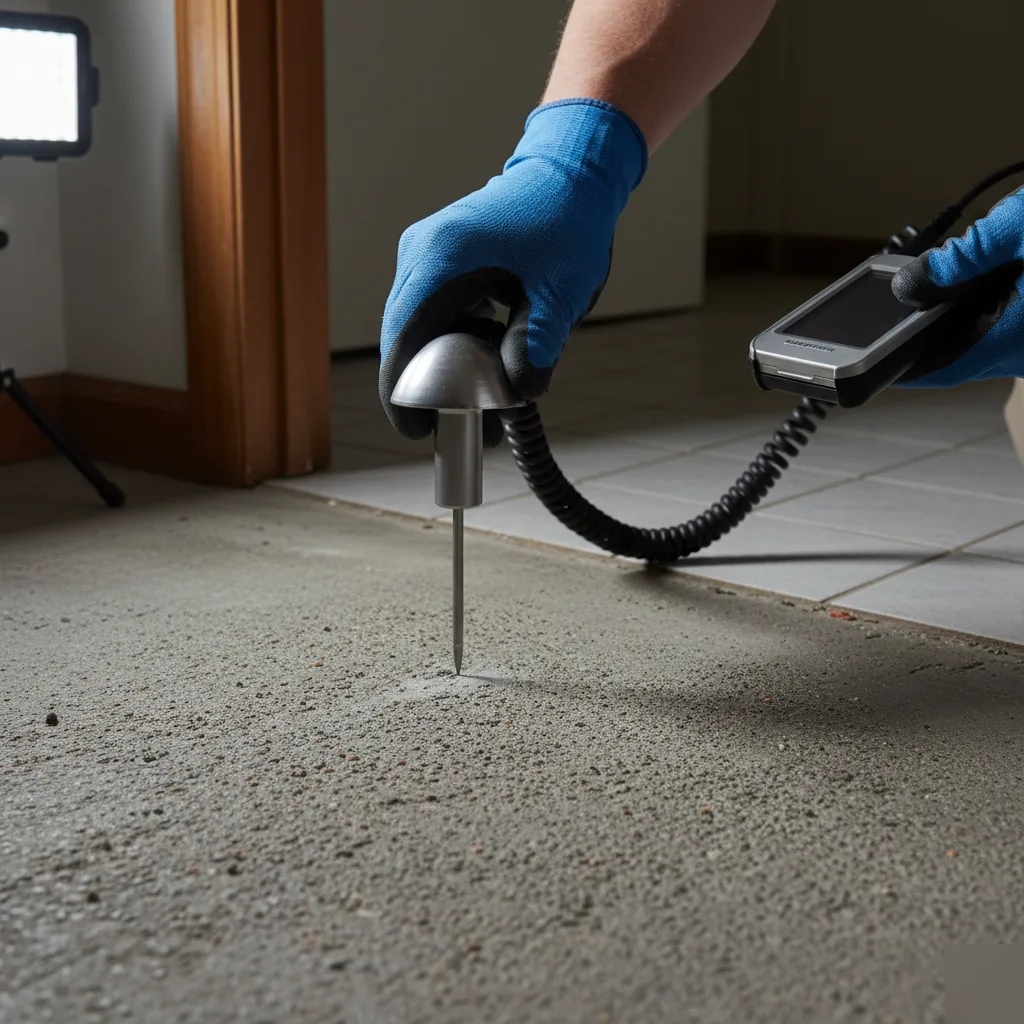
Slab leaks are common in Central Florida. Most homes here sit on concrete slabs with copper supply lines running underneath. Orlando's hard water eats at those copper pipes over time, it creates pinhole leaks that are impossible to see from above.
For slab leaks, the technician spends extra time with acoustic equipment pressed to the floor. They're listening through concrete. It takes patience and real experience to separate the sound of a leak from normal household noise, an ice maker cycling, a toilet running down the hall, the AC kicking on.
We see this a lot in older neighborhoods like Alafaya Woods and Remington Park. Homes built in the 1980s and 1990s are right in the window where supply lines start failing quietly. A technician who knows these neighborhoods already has a solid idea of what pipe material is under the slab before they even walk in the door.
The technician's job during this visit is to find the leak. Repair is a separate conversation. But knowing exactly where the problem is means the repair can be targeted and clean. No guessing. No unnecessary demolition.
If you want to learn more about how Brightwater Plumbing of Oviedo handles the full leak detection process from start to finish, visit our plumbing leak detection page for details on scheduling a visit.
The Equipment Leak Detection Technicians Use to Find Hidden Leaks
Most people picture a plumber with a wrench. Leak detection is a different game. The tools we carry look more like something out of a science lab than a toolbox, and there's a good reason for that.
Hidden leaks don't announce themselves. They hide behind walls, under slabs, and deep in your yard. Finding them without tearing your house apart takes gear built for exactly that job.
Acoustic Listening Devices
This is usually the first tool out of the truck. Acoustic listening equipment picks up the sound of water escaping a pipe. Even a small pinhole leak creates noise as pressurized water pushes through it. The device amplifies that sound so we can pinpoint the spot.
We use ground microphones on slab foundations, which cover most of the Orlando area, Tuscawilla, Alafaya Woods, neighborhoods along the UCF corridor. Homes built in the 1980s and 1990s often have copper supply lines running under concrete. When those lines corrode, the leak happens beneath your feet. You'd never hear it on your own. The acoustic sensor does.
You'd think a leak that small wouldn't make much noise. But pressurized water through a pinhole is louder than people expect, at least to the right equipment.
Thermal Imaging Cameras
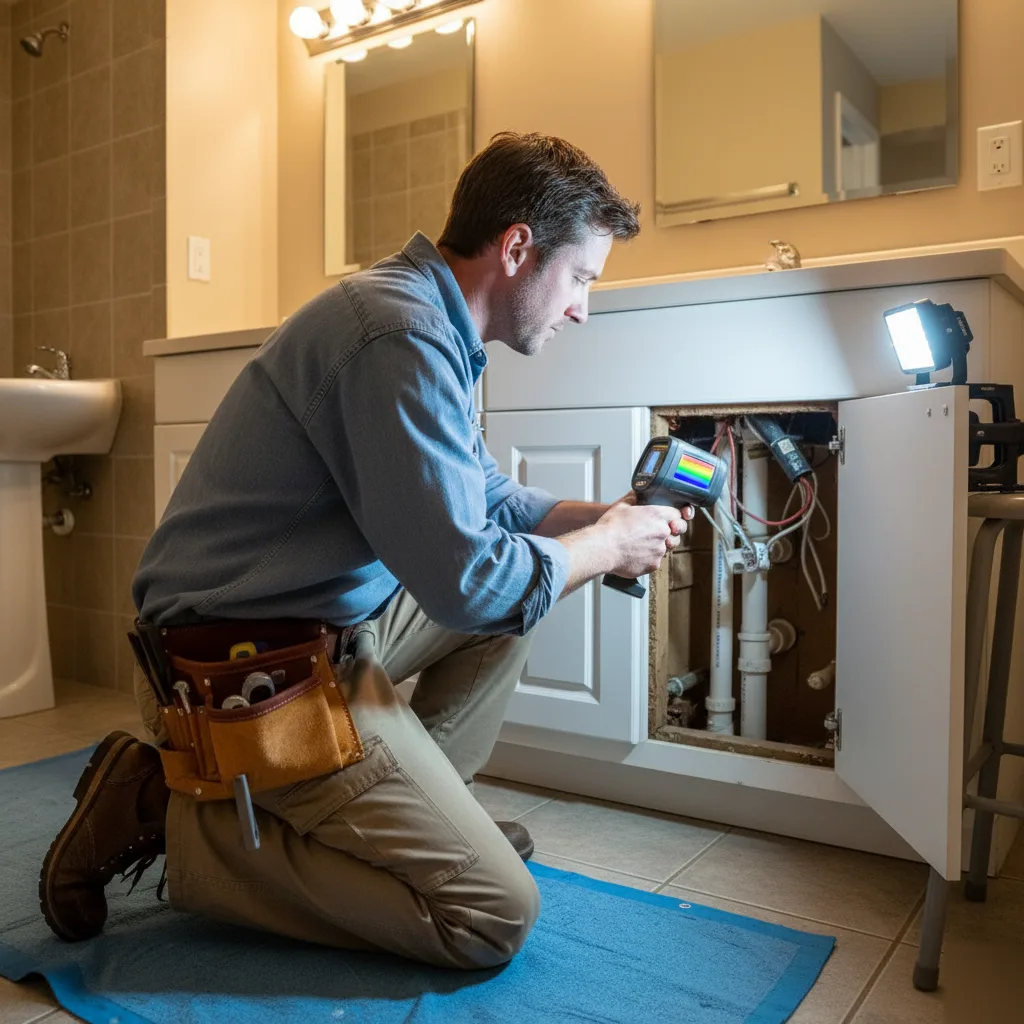
A thermal camera shows temperature differences on surfaces. Water leaking behind a wall changes the temperature of that wall. Even a small amount of moisture creates a cool spot that shows up clearly on screen.
We see this tool make the biggest difference in Orlando homes during summer. Your AC runs hard, your walls are warm, and a cold water leak behind drywall lights up on thermal imaging. It's fast. It keeps us from cutting holes in walls just to look around.
One thing worth knowing, thermal imaging works when there's a real temperature contrast. In the middle of a Florida July, that contrast is significant. Winter visits sometimes take a little longer to read accurately.
Electronic Leak Locators
These work by sending a signal through a pipe and detecting where that signal escapes. They're especially useful for pinpointing slab leaks or breaks in water main lines running from the street to your house. Water main repair starts with knowing exactly where the break is, and electronic locators give us that answer within inches.
One job in Winter Springs stands out. The homeowner had a water bill that tripled overnight but no visible water anywhere on the property. The electronic locator found a fracture in the main line about four feet underground, right where a tree root had shifted the pipe. Without that tool, we'd have been digging trenches across the yard on a hunch.
Sewer Camera Inspection Equipment
Not every leak involves clean water. Drain and sewer line leaks are just as common, they're just harder to spot. We use sewer camera inspection equipment to send a small waterproof camera through your drain system. It shows cracks, joint separations, root intrusion, and bellied sections in real time on a monitor.
Orlando's sandy soil and mature tree canopies create real problems for sewer lines. Homes near older parts of Oviedo on the Park or along the Alafaya corridor deal with root damage regularly. The camera tells us exactly what's wrong and where. No guesswork when it comes time to repair.
Why the Equipment Matters to You
The right equipment means less damage to your home. No ripping up floors on a hunch. No cutting open walls to "take a look." Every tool we bring is built to find the problem without creating a new one.
The EPA estimates household leaks waste nearly one trillion gallons of water per year nationwide. A lot of that waste comes from leaks nobody can see. The equipment a leak detection technician carries is what separates a clean answer from weeks of frustration and a water bill that keeps climbing.
If you're curious about how our plumbing leak detection process works from start to finish, our main leak detection page walks through everything step by step.
How to Prepare Before the Technician Arrives
A little prep goes a long way. You don't need to do anything complicated, but spending ten minutes before your leak detection appointment saves time for everyone, and it helps the technician zero in on the problem faster.
We show up to homes in Orlando where the homeowner isn't sure what's wrong. That's fine. But when you can point us toward the right area of the house, the whole visit moves quicker. Here's what you can do before we pull into the driveway.
Clear the Path to Problem Areas
Think about where you've noticed signs of a leak. Water stains on a ceiling? A warm spot on the floor? A water bill that jumped with no explanation? Whatever caught your attention, make sure the technician can get to that area without moving furniture around them.
Pull boxes away from walls. Move furniture a few inches from baseboards. If the issue is near your water heater, clear a walkway to it. In older Tuscawilla and Alafaya Woods homes, water heaters often sit in tight garage corners stacked behind holiday bins and lawn equipment, we see this on nearly every visit out that way.
- Clear space around the water heater and any exposed pipes
- Move stored items away from walls where you've spotted moisture
- Make sure the main water shut-off valve is easy to reach
- Keep pets in a separate room so the technician can work safely
Five minutes of clearing space can shave real time off the visit.
Know Where Your Shut-Off Valve Is
This matters more than people think. Your main water shut-off valve controls all the water flowing into your home. If the technician needs to stop the flow during leak detection, knowing where it is saves a trip around the house hunting for it.
In most Orlando homes, the shut-off sits near the front of the house close to the street. Sometimes it's inside the garage. Sometimes it's buried under landscaping near the meter box, which, after a Florida summer of overgrowth, can be harder to find than it sounds.
Can't turn it? Don't force it. Old valves in Central Florida homes corrode from hard water and mineral buildup over the years, they can seize up completely. Just let the technician know so they can handle it properly.
Write Down What You've Noticed
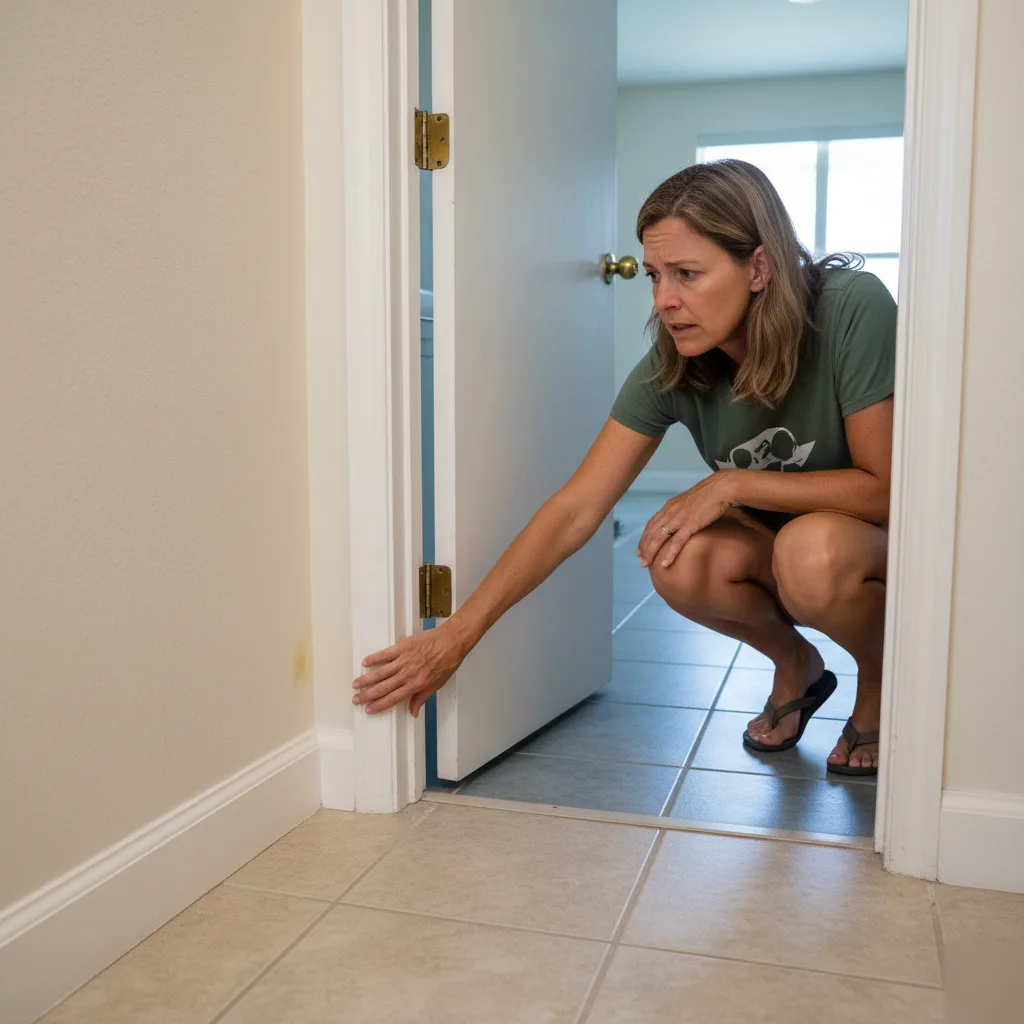
Your observations are useful data. The technician has the tools, but you have the context.
Jot down a few notes before the visit. When did you first notice the issue? Is the water bill creeping up month over month? Did the problem start after a heavy summer storm? One homeowner near Oviedo on the Park told us their floors felt warm only at night. That detail pointed us straight to a hot water line under the slab, saved us probably forty minutes of searching.
Small details matter. A running toilet sound at 2 a.m. A damp smell in one room. A patch of grass that's greener than the rest of the yard. Write it down so you don't forget when the technician asks.
Check Your Water Meter
Here's a quick trick before we arrive. Turn off every faucet and water-using appliance in the house. Then go look at your water meter. If the dial is still moving, water is going somewhere it shouldn't. That's a strong sign you've got an active leak.
You don't need to diagnose anything yourself. But sharing that info with the technician gives them a head start before they even unpack their equipment.
If you want to learn more about the full leak detection process and what to expect from start to finish, visit our plumbing leak detection page for a complete walkthrough.
Get a Free Quote!
Terms and Conditions
Request a Quote
Terms and Conditions
Request a Quote
Terms and Conditions