

What Is a Plumber? Definition and Job Overview
A plumber installs, repairs, and maintains the pipes, fixtures, and water systems inside your home.
Free Estimate
What Does a Plumber Do? (Job Overview)
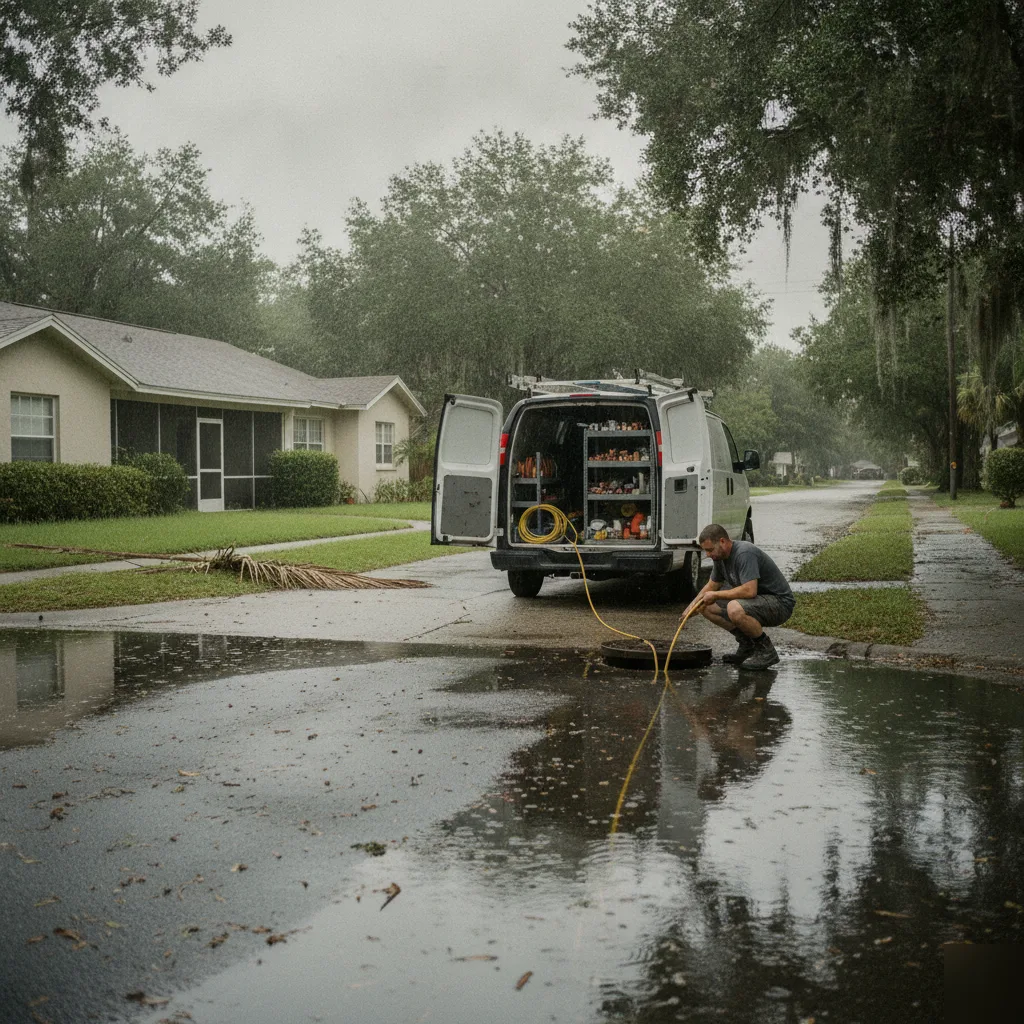
A plumber installs, repairs, and maintains the pipes, fixtures, and water systems inside your home. In Orlando, that also means dealing with hard water, aging pipes, and the extra stress summer storms put on everything underground. Most plumbers handle it all, from a dripping faucet to a full water heater swap. A professional Oviedo plumber does it right.
Ask ten people what a plumber does and you'll get ten different answers. Some picture someone snaking a clogged drain. Others assume it's strictly new-construction work. The real job is a lot bigger than either of those.
At its core, a plumber's job is keeping water moving where it should and stopping it where it shouldn't. That covers the pipes bringing clean water in, the pipes carrying waste out, and every fixture in between. We've walked into homes where one small leak had already warped a floor. That's exactly the kind of thing this work is meant to catch early.
- Diagnosing and fixing plumbing leak detection and pipe repair issues before they turn into water damage
- Installing and repairing faucets, toilets, bathtubs, and showers
- Handling water heater installation, tankless water heater installation, and hot water system repair when your hot water quits
- Running drain cleaning, drain jetting, and sewer camera inspection work to keep waste lines flowing
- Setting up water softener installation and water filtration system installation for homes fighting Central Florida's hard water
Notice something? None of that is glamorous work. But it's the stuff that keeps your house livable.
Orlando homes throw a few curveballs into that job description. Older neighborhoods often still have galvanized or cast iron pipe hiding behind the walls, and that metal doesn't hold up well after decades in the ground. So a plumber here spends a fair amount of time on plumbing pipe repair and sewer line repair tied directly to pipe age, not just bad luck.
Summer storms add another layer. Heavy rain pushes groundwater against sewer lines and can overwhelm a slow drain in a hurry. That's part of why sump pump installation and sewer line inspection come up so often around here, especially in lower-lying yards.
Most people don't realize a plumber's job also includes emergency plumbing repair, the middle-of-the-night calls when a pipe bursts or a toilet just won't stop running. That side of the job doesn't wait for business hours, and neither should the response.
So when you picture a plumber, skip the image of someone hunched over a sink with a wrench. Picture someone who understands your whole water system, from the main line to the last faucet, and knows how Orlando's climate and older housing stock push that system harder than most.
Licensed Plumber vs. Handyman: Why the Difference Matters
A handyman can hang a shelf or patch drywall just fine. Plumbing is a different animal. In Florida, plumbing work above a certain scope legally requires a licensed plumber, not a general contractor or handyman. That's not red tape for its own sake. Pipes, gas lines, and sewer connections carry real risk when they're done wrong.
We've walked into Orlando homes after a handyman tried to save the owner some money on a water heater swap. Sometimes it works out fine. Other times we find a loose gas line connection or a drain trap installed backward. That second scenario usually ends up costing more to fix than if a licensed plumber had just done it right the first time.
So what's the actual difference? A licensed plumber has passed state exams covering code, safety, and technique, and he's carrying insurance that protects your home if something goes sideways on the job. A handyman, even a genuinely skilled one, usually has neither.
- Licensed plumbers know Florida plumbing code, including venting and backflow rules that matter in Orlando's flat terrain
- They carry liability insurance, so you're covered if a repair causes water damage
- They can legally pull permits for bigger jobs like water heater installation or repiping
- They're trained on gas connections, which is not something to guess at
- They stand behind their work with a documented process, not a handshake
Permits matter more than people think. If you ever sell your Orlando home, unpermitted plumbing work can surface during inspection and hold up the sale. Buyers and their agents ask about this more often these days. A licensed plumber pulls the permit, the inspector signs off, and you've got a paper trail that protects your home's value.
Here's a simple way to think about it: would you let an unlicensed electrician rewire your panel? Probably not. Plumbing deserves the same caution, especially with anything touching your water main, sewer line, or gas-fed water heater.
Cost is usually why people go the handyman route first, and that's understandable. But a repair that isn't done to code can turn into a bigger bill down the road, whether that's a leak behind a wall or a failed home inspection. Licensed work costs more upfront most of the time, but it holds up.
Types of Plumbers and What Each One Handles
Not every plumber does the same job. It's tempting to think a plumber is a plumber, but that's not quite right. Like doctors, plumbers often focus on certain kinds of work. Once you know the difference, you'll know exactly who to call the next time something goes wrong at your Orlando home.
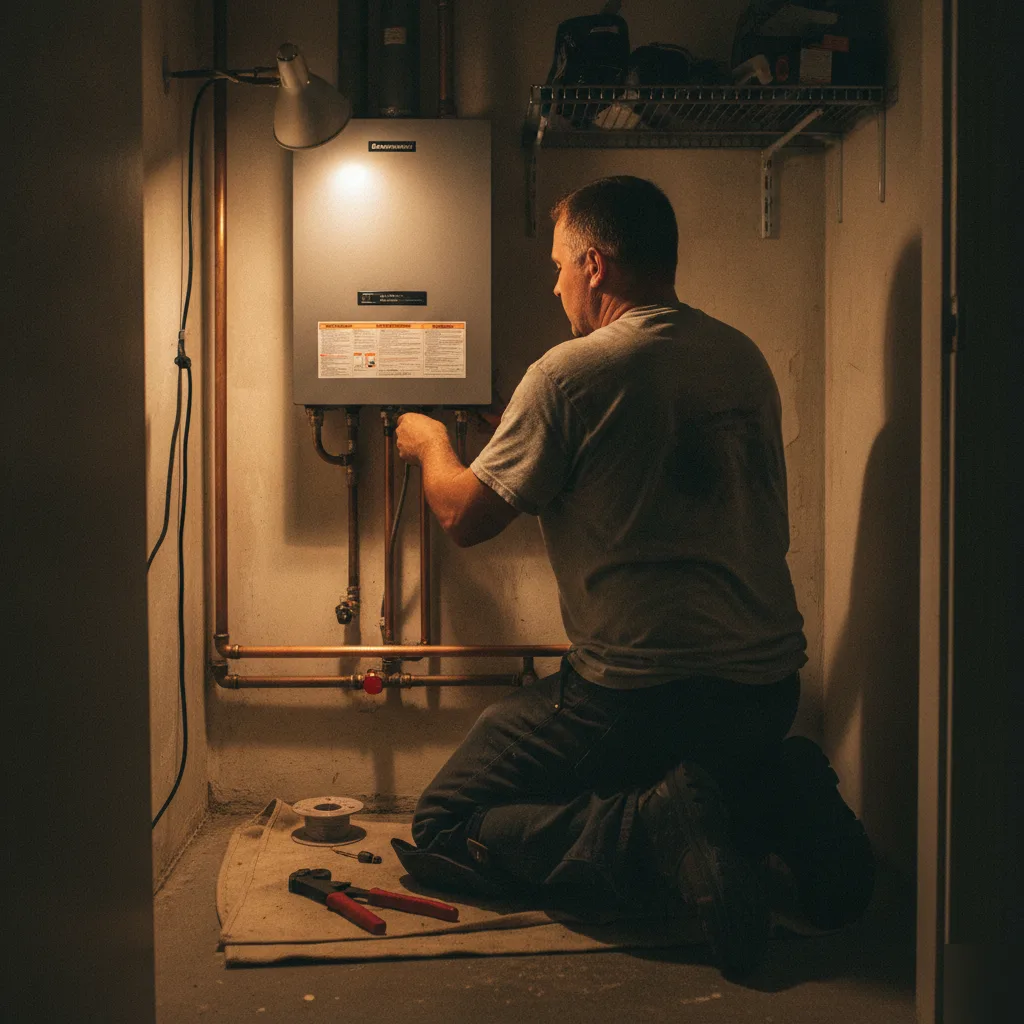
Most homeowners deal with a general service plumber. This is the person who shows up for the everyday stuff, and that covers a lot of ground.
- General service plumbers handle faucet installation, toilet repair, toilet installation, and other fixture work around the house
- Drain and sewer specialists focus on drain jetting, sewer line inspection, sewer camera inspection, and sewer line repair
- Water heater technicians handle water heater installation, water heater repair, hot water system repair, and tankless water heater installation
- Leak detection specialists use tools to find plumbing leak detection issues hidden behind walls or under slabs
- Repipe and installation specialists focus on repiping service, water main repair, and backflow preventer installation
A general service plumber can usually fix a running toilet or swap out a faucet in one visit. But if your problem involves your sewer line or a leak you can't see, you'll want someone with more specific training. That's where things get tricky for a lot of Orlando homeowners.
Here's a scenario we run into a lot. A homeowner calls about a slow drain in the kitchen. Sounds simple enough. But after a camera inspection, it turns out roots from a nearby tree have grown into the sewer line. That's not a job for a wrench and a plunger. That calls for someone who's done sewer camera inspection and trenchless sewer repair before and knows what root intrusion looks like on a screen.
Orlando's older neighborhoods often still have cast iron or clay sewer lines. Those pipes are decades old in some cases, and they crack, shift, or get invaded by tree roots far more than newer PVC lines do.
Water heater work is its own thing too. Gas water heaters need venting and gas line knowledge. Electric units need different wiring know-how. Tankless systems need a plumber who understands flow rates and how Central Florida's hard water wears on the unit over time. We see homeowners try to troubleshoot these on their own all the time, and it rarely ends well.
So which type do you need? Ask yourself what the problem touches. A single fixture usually means a general service call. Anything involving your main line, your sewer, or your water heater system usually calls for someone with focused experience in that area.
The good news is you don't have to figure out the category yourself before you call.
Get a Free Quote!
Terms and Conditions
Request a Quote
Terms and Conditions
Request a Quote
Terms and Conditions