

What Is the 135 Rule in Plumbing? A Simple Explanation
What the 135 Rule Really Means in Plumbing
Free Estimate
The 135 rule is simple. You can't connect a horizontal drain pipe to a vertical drain pipe if the fitting turns more than 135 degrees. No more than that. It's a small detail that makes a real difference in how your plumbing runs.
Let's clear this up.
Think about the drain pipes in your walls. They're hidden. Some go straight up and down, while others angle slightly sideways. Where these two paths join, you need a special fitting to make the connection. The 135 rule just tells us which fittings are allowed at that exact spot, protecting your system.
A regular 90-degree elbow, it makes a sharp turn. This creates a hard corner right inside the pipe. And that sharp corner causes two big headaches you want to avoid:
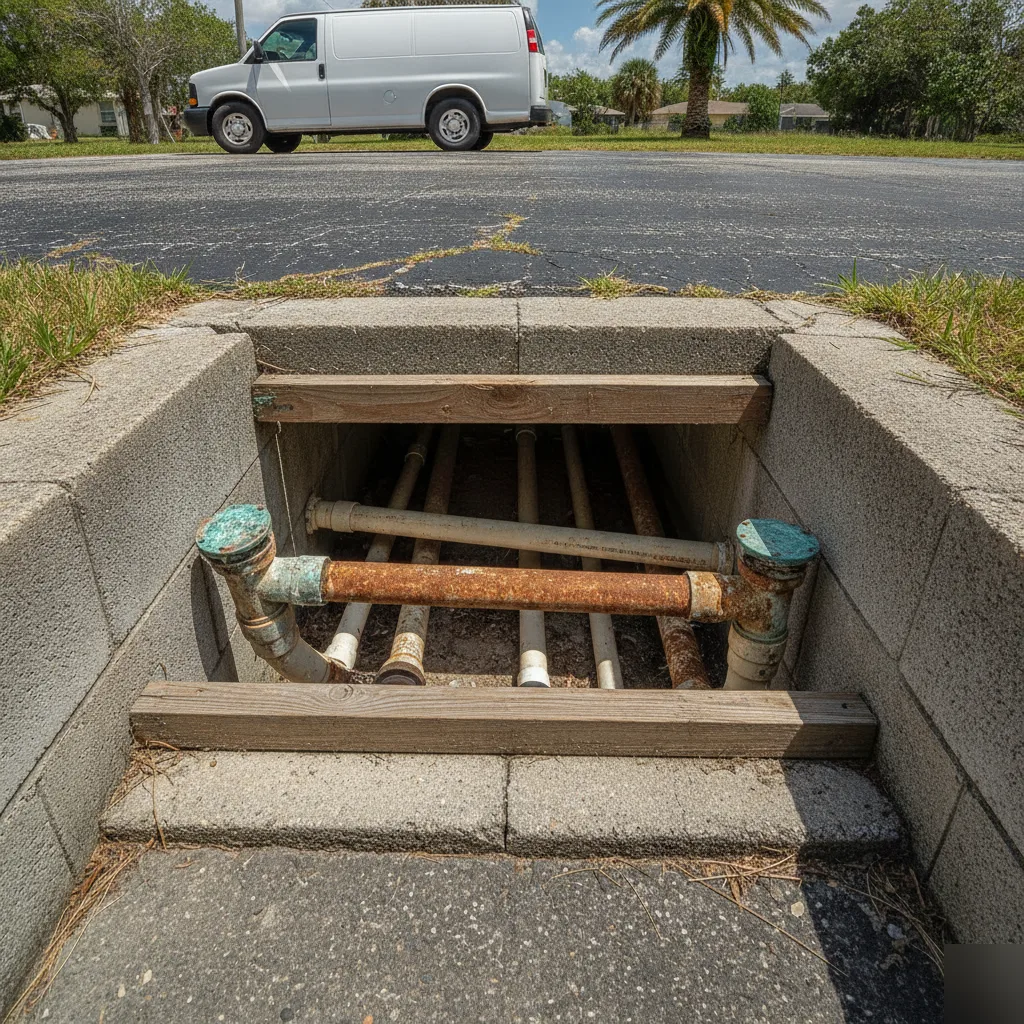
- It slows down waste and water. That means clogs will happen.
- Sewer gases can push right back into your home. Not good.
- Stress builds on the pipe joint. Leaks are a real possibility later.
So, the Florida Building Code says no. You just can't use that sharp 90-degree fitting where a horizontal pipe runs into a vertical one. You need a gentler turn there. A combo fitting or even two 45-degree elbows will keep that angle at 135 degrees or less, by the way, this is exactly why we stock them on our trucks. Water flows much smoother. Your system breathes.
Why Orlando Homes Run Into This
We see violations of this 135 rule constantly here in older Orlando neighborhoods. Many homes, the ones built in the 1970s and 1980s around places like Alafaya Woods and Tuscawilla, often have fittings that just don't meet today's code. Back then? Enforcement wasn't as strict. Sometimes a plumber would grab a 90-degree elbow. It was faster, but it caused trouble later on.
That shortcut always catches up. You'll call us about a drain that backs up, again and again. We run our sewer camera inspection, and what do we find? A hard 90 buried right inside the wall. The pipe itself isn't broken. But the fitting is wrong. Waste hits that sharp corner. It slows down every time.
And our Central Florida hard water? That makes everything worse. Mineral buildup collects faster right at those sharp turns. It narrows your pipe from the inside out.
The Fitting Makes the Difference
Think of a highway off-ramp. A gentle curve. Traffic keeps moving. Now imagine a 90-degree wall there, that'd be a pileup. Your drain pipes work just like that.
The International Plumbing Code, Florida uses it, spells this out clearly. According to the International Code Council, any fittings that connect horizontal drains to vertical stacks cannot go over 135 degrees., most local inspectors here in Orlando really stick to this rule on any new plumbing pipe repair or drain installation.
So, what fittings actually pass? We use a few different options to keep things flowing right. A long-sweep 90 works well in some situations, creating that nice, gradual curve. Our go-to combo on most jobs is a wye fitting with a 45-degree elbow, it's dependable. You can also use two 45-degree elbows back to back. These options the turn is gentle.
Does any of this matter if your drains seem fine? Maybe not right this moment. But if you're planning a bathroom remodel. Or adding a toilet in a bonus room. The 135 rule will absolutely come up during inspection. Trust us, getting it right the first time saves you from tearing open a wall later, a real headache.
If you have a drain that just clogs too often, a wrong fitting could be the reason. It's a hidden problem, one that our sewer camera inspection can spot in just minutes. Brightwater Plumbing of Oviedo handles this all the time for homes across Seminole County. And it's almost always fixable. You won't need major demolition.
Why Pipe Angle Affects Drain Flow
Gravity does the real work in your drain system. No pump pushes wastewater through those pipes under your Orlando home. The angle of each pipe? That's what keeps everything moving. It heads towards your sewer line or septic tank. Get that angle wrong, and you've got trouble. Call a licensed Oviedo plumber from Brightwater if you need help.
If the pipe is too steep, water rushes ahead of the solid waste. The solids just sit there. They dry out. They form a clog. Too flat, and nothing moves fast enough at all. Waste pools in those low spots. Then you get slow drains and truly bad smells. The 135 rule in plumbing prevents both problems. It limits how sharp those horizontal drain pipes can turn.
What Happens When Angles Are Too Sharp
Picture a drain pipe running under your home's slab, typical for Orlando construction. It has to turn, connecting to the main sewer line. If that turn is a sharp 90 degrees on a horizontal run, wastewater slams right into the fitting wall. It slows down immediately. Debris catches on the inside of that turn, and it just stops. Over time, grease and waste build up right at that bend, and then you have a real mess.
We see this often in older Oviedo and Winter Springs homes. These places were built before modern code got strict. A sharp horizontal turn creates a repeat clog spot. You snake it. It clears. But it clogs again, maybe three months later. The fitting itself is the real problem here.
That's exactly why the 135 rule exists. It makes plumbers use gentler turns on those horizontal pipes. This keeps waste flowing smoothly.
How Slope and Direction Work Together
Most residential drain pipes need a slope of about 1/4 inch per foot. We find that's the sweet spot. It keeps water and solids moving together. But slope alone isn't enough. Not if the pipe needs to change direction.
Think of it like a road, a really winding one. You can take a gentle curve at full speed, no problem. A hairpin turn? You hit the brakes hard. Same thing happens inside your pipes. The water brakes at sharp turns. Solids pile up behind it.
According to the International Plumbing Code, horizontal drain pipes must avoid fittings that make turns sharper than 135 degrees. That's measured as the fitting angle, by the way. This keeps the flow path smooth. Gravity can do its job. No interruptions.
- A 1/4-bend fitting creates a 90-degree turn. That's too sharp for horizontal drains.
- A 1/8-bend fitting makes a 45-degree turn. Well within the 135 rule.
- You can use two 1/8-bend fittings with a short piece of pipe between them. This handles a 90-degree change safely.
- Long-sweep 90s are also good. They create a gradual curve, not a hard corner.
The goal is always the same. Keep that flow path gentle. Nothing gets stuck.
Why This Matters for Orlando Homes
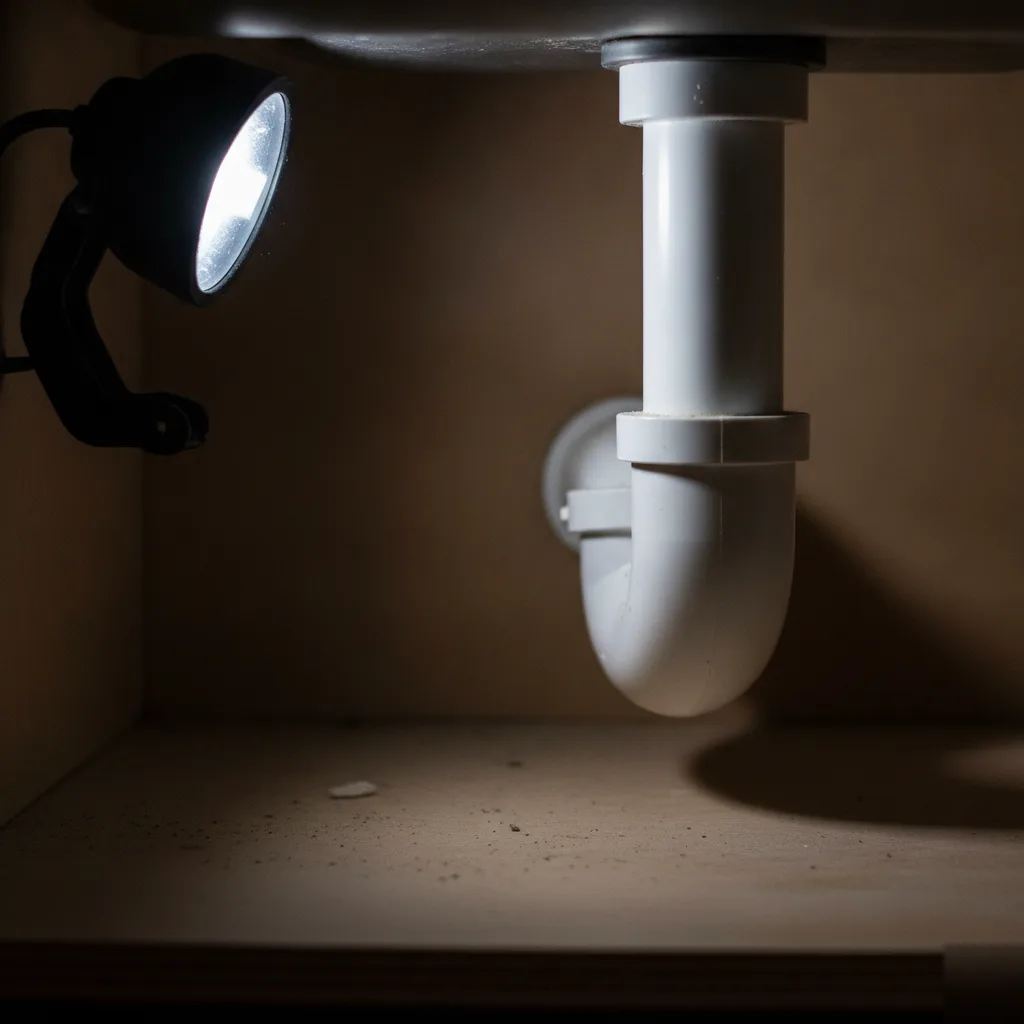
Central Florida's sandy soil shifts. It just does. Pipes settle, too. A fitting that might have been barely okay when new can become a real problem after years of that minor ground movement. We've seen it. Our sewer camera inspection footage from Tuscawilla and Alafaya Woods neighborhoods shows fittings that dropped just a bit. Enough to trap debris at every sharp turn.
And Orlando's hard water? That makes things even worse. Mineral deposits build up inside pipes. They narrow the opening at bends. A sharp fitting might last years up north with softer water, but here, it clogs faster. Where the water is softer.
If you're dealing with drains that back up in the same spot, over and over, the pipe angle at a fitting could be the real root cause. A licensed Oviedo plumber from Brightwater can run a camera through that line for you. We'll tell you what's happening at each turn. Sometimes the fix is simple: swapping one bad fitting for a long-sweep alternative. That single change can end years of those repeat drain cleaning calls.
The 135 rule isn't just some plumbing code technicality. No, it's the difference between a drain system that hums along for decades and one that constantly fights you. Every few months.
Common Plumbing Mistakes That Break This Principle
We get calls to fix plenty of DIY plumbing work. And, most of the time the homeowner did a pretty decent job, they really tried hard. But the 135 rule? That's where things just fall apart fast.
The biggest mistake we see? It's sharp 90-degree turns. They get crammed into tight spaces, like under sinks or inside walls. A single 90-degree fitting on a drain line creates a spot. A place where hair, grease, and debris pile up. Over time, that spot turns into a full blockage. It's a common story in Orlando homes, especially in older neighborhoods like Tuscawilla and Alafaya Woods, where those original drain lines are already pushed hard.
Fittings That Create Problems
Here are the most common fitting mistakes we see that break the 135 rule:
- Using a short-sweep 90 on a horizontal drain. You need two 45-degree fittings there instead.
- Stacking sharp turns, one after another, with no straight pipe in between.
- Putting a tee fitting on its side to change direction. It traps waste right at the junction.
- Connecting a vertical drain to a horizontal run with a 90-degree elbow. A long-sweep or combo fitting is what you need.
Every single one of these creates angles sharper than 135 degrees. That means waste slows down. Solids settle. And you're calling for drain cleaning way sooner than anyone should have to.
The "It Fits So It Works" Trap
Here's what most folks don't realize. Just because a fitting slides onto your pipe, that doesn't mean it belongs there. Hardware stores put every type of PVC fitting on the same shelf. Nothing stops you from grabbing a sharp 90 when you actually need two 45s. The pipe connects. Water flows. Everything looks okay for a few months, and then...
Then it doesn't.
We had a homeowner near Oviedo on the Park once. They remodeled a bathroom, connecting the new shower drain into an existing line with back-to-back 90-degree elbows. It worked. For about six months. Then that drain slowed to a crawl. We ran a sewer camera inspection and saw a wall of soap buildup right at those sharp bends. The fix meant cutting out both fittings. Replacing them with 45-degree sweeps. Much more work than doing it right the first time,.
Why Orlando's Hard Water Makes It Worse
Central Florida's hard water adds mineral buildup inside your pipes. We see it everywhere. A smooth, gradual bend lets water carry those minerals along. But a sharp turn? That gives calcium and lime a perfect spot to grab hold. The rougher the inside of the fitting gets, the more debris just sticks to it. A bad fitting in Orlando will clog faster than that same fitting would up north. Where the water is softer.
And if your home has a septic system, sharp bends are an even bigger problem. Solids need to flow freely to reach that tank. A sharp angle can cause waste to back right up into the house. Before it ever makes it to the tank. Poor drain design can also let wastewater sit and stagnate, which raises the risk tied to waterborne pathogens in building plumbing systems, another reason smooth flow matters so much.
Here's our simple rule of thumb: if you're changing direction on a drain line, use the gentlest angle possible. Two 45-degree fittings with a short piece of straight pipe between them? They will almost always outperform one sharp 90. Yes, it costs a few extra dollars for the parts. But it saves you hundreds on drain jetting or plumbing pipe repair later. If you're not sure which fittings to use, that's the perfect time to call a licensed plumber. We'll get it done right from the start.
Get a Free Quote!
Terms and Conditions
Request a Quote
Terms and Conditions
Request a Quote
Terms and Conditions