

Burst Pipe or Major Leak? Here's What to Do First
Your First Five Minutes Matter More Than You Think
Free Estimate
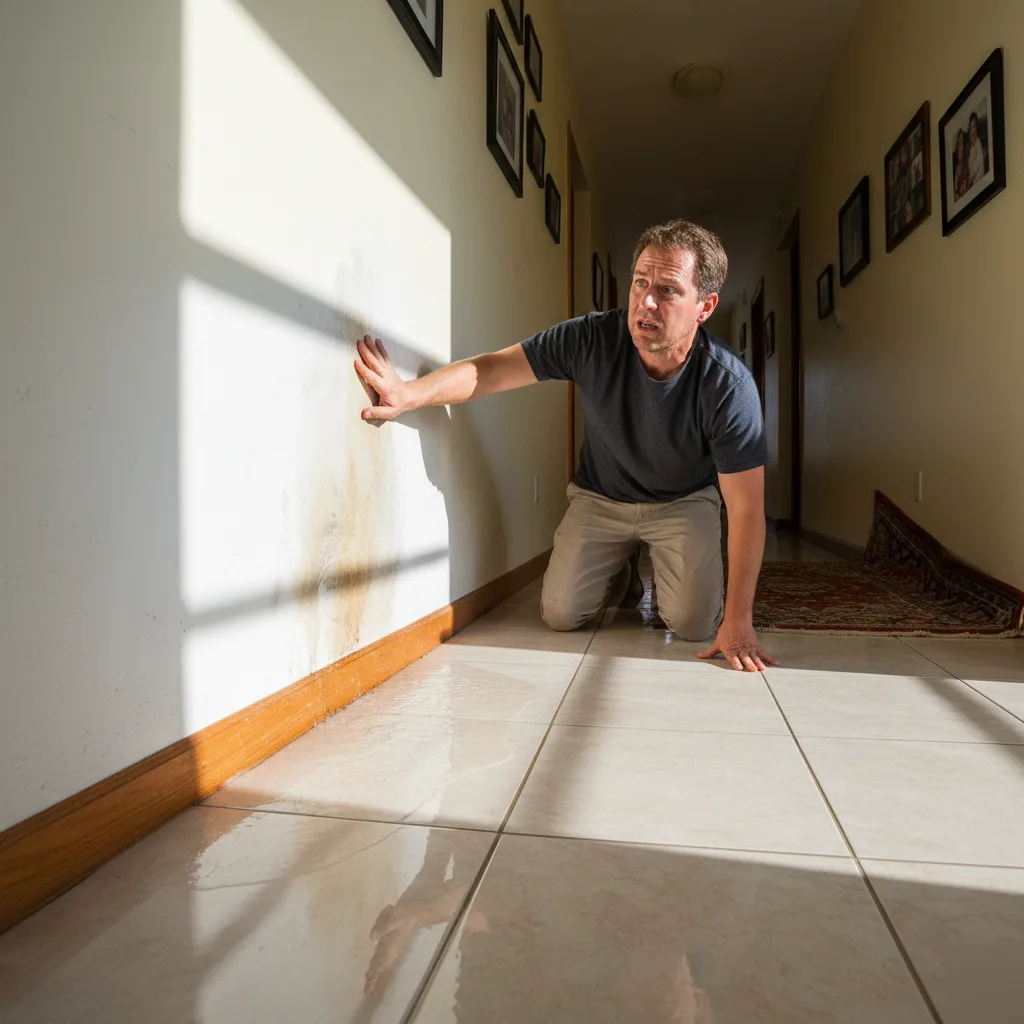
Water doesn't wait. The moment you spot flooding or a serious plumbing failure in your Orlando home, the clock starts. What should I do the moment I find a burst pipe or major leak? That's the question we hear most on emergency calls, and the answer comes down to what you do in those first five minutes.
We walked into a home in Tuscawilla not long ago where a supply line under the kitchen sink had split open. The homeowner froze for twenty minutes before calling anyone. By then, water had soaked through the subfloor and into the garage ceiling below. Five minutes of action would have saved thousands in damage.
Here's what to do, in order:
- Shut off the water supply. If the leak is at a fixture like a toilet or sink, turn the local shutoff valve. It's usually a small oval handle on the wall behind or below the fixture. Turn it clockwise until it stops.
- Can't find a local valve? Go to the main. Your main water shutoff is typically near the front of your property, close to the street, inside a covered box at ground level. Turn it off completely. No water flowing means no more damage spreading.
- Kill the power in the affected area. Water and electricity don't mix. If the leak is near outlets, light switches, or your electrical panel, flip the breaker for that zone. Don't touch anything electrical while standing in water.
- Open a faucet to drain the lines. After you shut off the main, open the lowest faucet in your home. This relieves pressure in the pipes and drains remaining water out of the system faster.
- Move belongings out of the water's path. Furniture, rugs, electronics, get them away from the wet area. Even a few inches of standing water can ruin things fast in Orlando's warm climate, where mold starts growing within 24 to 48 hours according to FEMA guidelines.
- Call for emergency plumbing repair. Don't try to patch a failed pipe with tape or putty. A licensed plumber can locate the failure, do a proper plumbing pipe repair, and check for hidden damage you can't see.
Six steps. Five minutes.
Most people don't know their main shutoff valve exists until they desperately need it. We tell every homeowner the same thing: go find it right now, before there's a problem. Test it. Make sure it turns. Some older homes in Alafaya Woods have valves that are rusted open, and they won't budge when you need them most.
And here's something folks regularly miss. A pipe failure doesn't always look like a geyser. Sometimes it's a steady stream running down a wall, sometimes it's a dark stain spreading across the ceiling. The size of the visible water doesn't tell you how bad it is behind the drywall.
Don't downplay a "small" leak. If it's coming from inside a wall or under a slab, you could be looking at a much bigger problem. That's where plumbing leak detection comes in, we use tools that find the source without tearing your house apart.
If you're dealing with a serious plumbing emergency right now, head to our emergency plumbing repair page to get Brightwater Plumbing of Oviedo on the phone. We answer calls evenings and weekends, because pipes don't break on a schedule.
But if you're reading this before disaster strikes, good. Knowing where your shutoff valve is and having a plan puts you in control when everything feels out of control.
How to Shut Off Water in Your House Fast
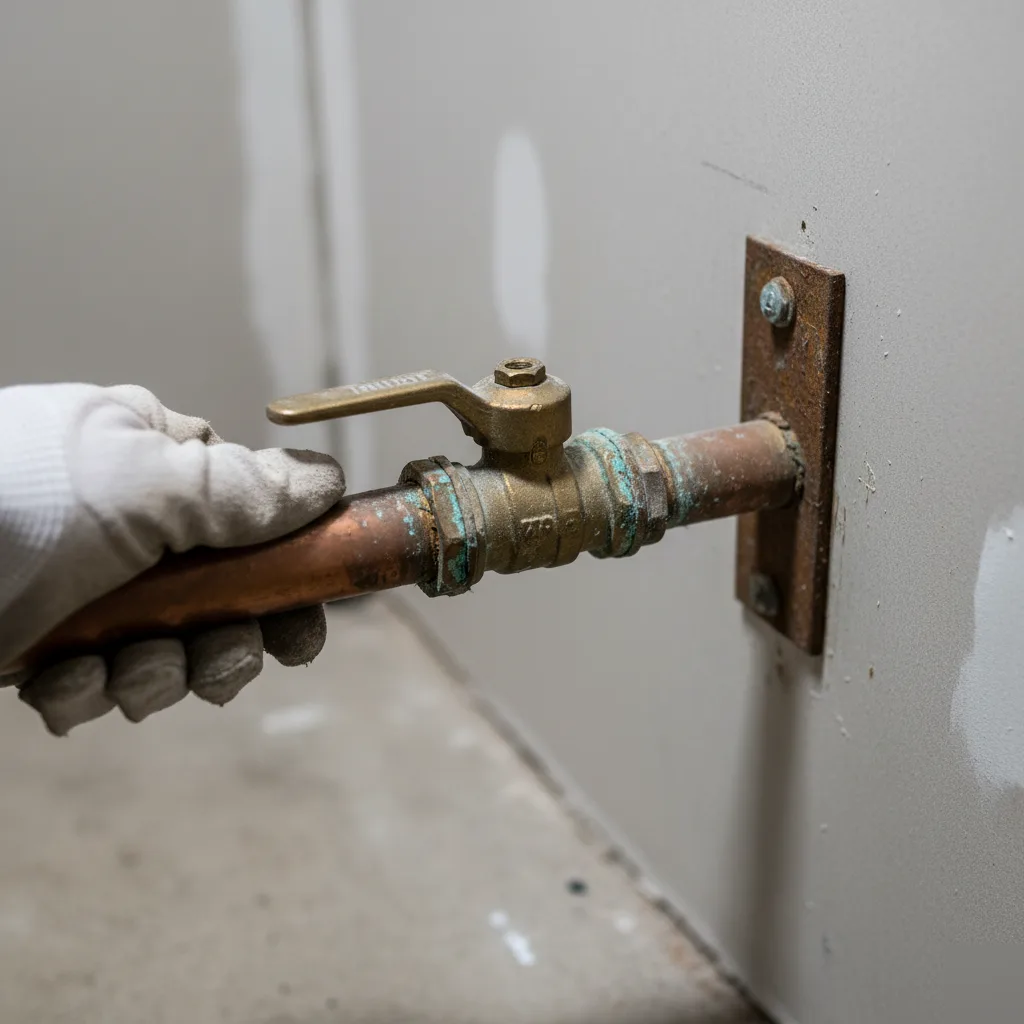
Speed matters here. Every minute water keeps flowing from a broken pipe, you're looking at more damage to floors, walls, and cabinets. We've walked into homes in Tuscawilla where the homeowner spent twenty minutes searching for the shutoff valve while water pooled across the kitchen floor. That's twenty minutes of damage that didn't need to happen.
Your main water shutoff valve is the single most important thing to find right now.
Most homes in Orlando have the main shutoff in one of a few spots. Here's how to find yours and get the water stopped:
- Check the front of your house near the street. Look for a round or rectangular cover in the ground close to the curb. That's your water meter box. Inside, there's a valve you can turn with a meter key or a pair of pliers.
- Look at the garage wall closest to the street. Many homes built in the 1990s and 2000s across Alafaya Woods and Remington Park have an interior shutoff valve mounted on the garage wall. It's usually a ball valve with a lever handle.
- Check near the water heater. Some older Orlando homes route the main line through a utility closet. Follow the pipe backward from the water heater toward the wall and you'll often find a gate valve there.
- Turn the valve clockwise. For a gate valve, turn it clockwise until it stops. For a lever-style ball valve, rotate the handle so it sits across the pipe instead of along it. That means it's closed.
- Open a faucet to confirm. After you close the valve, turn on a faucet at the lowest point in the house. If water slows to a trickle and stops, you got the right valve.
What if the valve won't budge? We see this all the time on older gate valves. Years of Seminole County hard water leave mineral deposits on the valve stem, practically welding it in place. Don't force it with a wrench. You can crack the valve body and create a second leak. If it's stuck, go straight to the meter box at the street.
The Meter Box Shutoff
The meter box at the curb is your backup plan. Lift the cover carefully. Spiders and fire ants love those boxes in Central Florida, we've seen some real surprises in there. Inside you'll see the water meter and a valve on the house side. Turn that valve clockwise. Some require a special meter key, which you can grab at any hardware store for a few dollars. Every homeowner should keep one in the garage.
Here's a scenario we run into regularly. A homeowner in Oviedo on the Park calls us because a supply line behind the washing machine blew. Water is spraying everywhere. They can't find the main shutoff because the builder tucked it behind drywall in the utility room. Panicking. The fastest fix in that moment is the meter box out front.
Once the water is off, don't turn it back on until you know where the pipe failure is coming from. Opening the water before a repair just restarts the flooding. If you need help locating the source, that's where plumbing leak detection comes in. We use specialized equipment to pinpoint exactly where the failure happened without tearing up your house.
After you shut off the main valve, open faucets on the lowest floor to drain remaining pressure from the lines. This reduces the amount of water still sitting in the pipes that can seep out through the break.
Know your shutoff valve location before you need it. Walk out to your garage or curb today and find it. That one minute of prep can save you thousands in water damage cleanup.
Signs of a Burst Pipe You Might Be Missing
Not every pipe failure announces itself with a dramatic flood. Some leaks hide behind walls, under slabs, or in crawl spaces for days before you notice anything wrong. By then, the damage is already done.
We get calls every week from homeowners in Tuscawilla and Alafaya Woods who say the same thing: "I had no idea there was a leak." The signs were there. They just didn't know what to look for.
Here's what to watch for:
- A sudden drop in water pressure. If your shower goes weak or your faucet barely trickles, water is escaping somewhere before it reaches the fixture.
- The sound of running water when nothing's on. Stand in a quiet room. Listen. If you hear a faint hiss or rush inside the walls, that's a red flag.
- Warm or wet spots on the floor. Especially on concrete slab homes common across Orlando. A hot water line leak under the slab will create a warm patch you can feel through tile or laminate.
- A water meter that won't stop spinning. Turn off every fixture in the house. Walk to your meter. If the dial is still moving, water is leaving your system.
- Discolored water or a musty smell. Brown or rusty water points to a corroded pipe that's failing. A musty odor in a room with no obvious moisture means water is pooling somewhere hidden.
That meter test is the one most people skip. It takes two minutes and tells you more than anything else.
Why Orlando Homes Are Especially Vulnerable
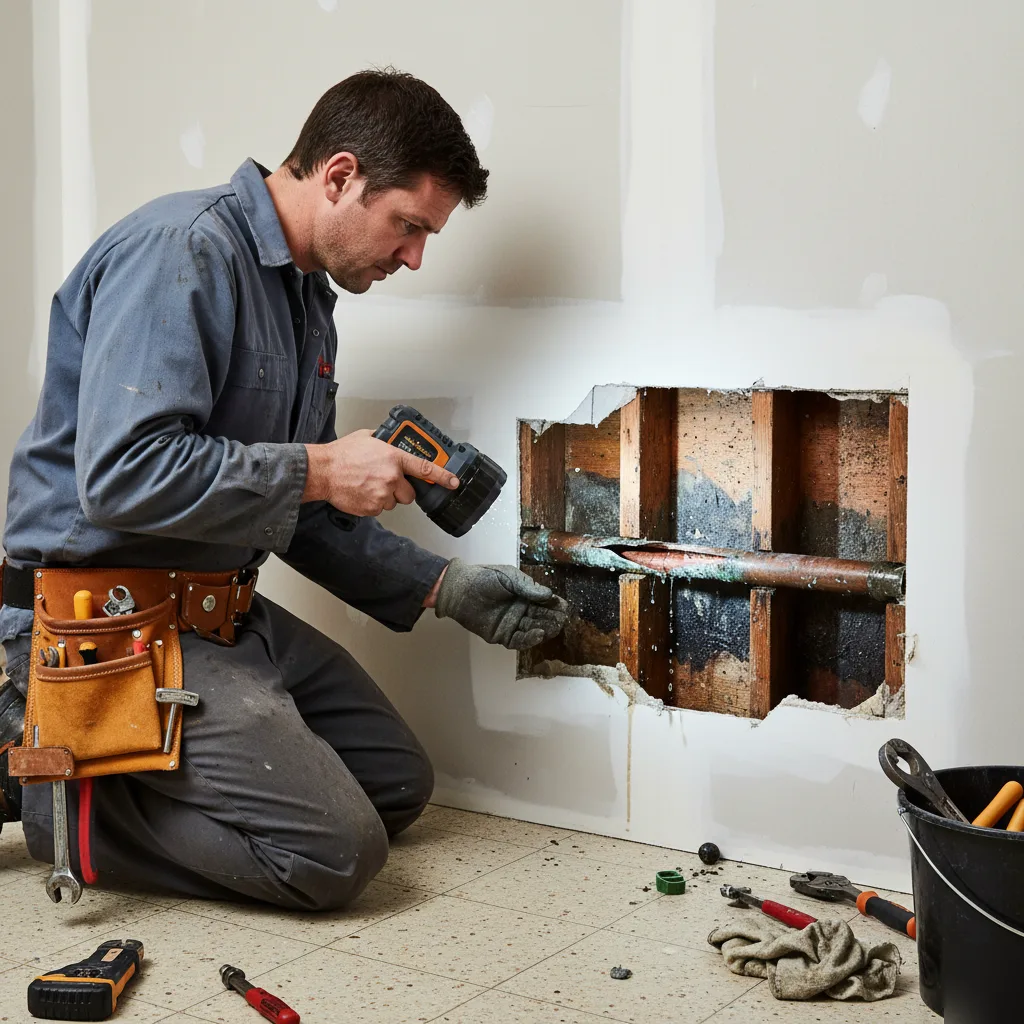
Seminole County's hard water accelerates corrosion inside copper and galvanized pipes. Homes built in the 1980s and 1990s are hitting that window where supply lines start to give out. We see it constantly in neighborhoods along the Tuskawilla Road corridor, homes that look fine on the outside but have pipes thinning from the inside out.
Summer storms add another layer. Heavy rain saturates the ground around your foundation. That soil pressure can shift pipes just enough to crack a joint or pop a fitting, so you get a pipe failure not from freezing (rare here) but from ground movement and mineral buildup working together over years.
You'd think burst pipes were a cold-weather problem. Not in Central Florida. Heat, humidity, and hard water do the slow damage here.
The Ones That Fool You
Some pipe failures don't gush. They seep. A pinhole leak in a copper line behind drywall might only produce a few drops per minute, but over a week that's gallons soaking into your framing and subfloor. According to the Insurance Institute for Business and Home Safety, water damage from plumbing failures is one of the most frequent homeowner insurance claims in the U.S. It's also worth understanding what your policy actually covers — homeowners insurance burst pipe coverage can vary significantly depending on how and where the failure occurred.
Here's a scenario we've seen more than once. A homeowner in Oviedo on the Park notices their water bill jumped by $40. No visible leaks anywhere. They figure it's a billing error. Two months later, they find mold behind the bathroom vanity. The culprit was a failed fitting on a supply line that had been dripping since that first high bill showed up.
Don't wait for mold to confirm what your water bill already told you.
If any of these signs sound familiar, you're past the "maybe it's nothing" stage. Brightwater Plumbing of Oviedo offers plumbing leak detection that can pinpoint exactly where the problem is before it gets worse. Give us a call or visit our emergency plumbing repair page to get help the same day.
Get a Free Quote!
Terms and Conditions
Request a Quote
Terms and Conditions
Request a Quote
Terms and Conditions