

How Long a Professional Main Sewer Line Clearing Usually Takes in Orlando
Need expert advice on sewer line clearing in Orlando? This professional guide offers valuable insights to ensure effective drainage solutions for your property.
Free Estimate

Most professional main sewer line clearings in the Orlando area are finished between 1 and 3 hours—from the technician’s arrival to final verification. Exact times depend on the type of blockage, pipe condition, and the method chosen. This guide walks through what a main-line clearing includes, why realistic time windows matter for homeowners, the factors that change how long a job takes, and typical time ranges for common approaches like snaking and hydro-jetting. You’ll also learn why starting with a camera inspection often shortens the overall visit, which signs require urgent attention, and simple steps you can take to reduce both the frequency of clogs and future service times. We cover cost and emergency response expectations so you can plan for daytime repairs or 24/7 stabilization when backups threaten living spaces, and we finish with a step-by-step walkthrough of a professional workflow so you’ll know what to expect when a technician arrives in Greater Orlando.
What Is Main Sewer Line Clearing and Why Is Timing Important?
Main sewer line clearing is the professional process of locating and removing blockages from the main pipe that carries wastewater from your home to the city system or septic. Technicians use inspection tools and mechanical or hydraulic removal equipment to restore flow, stop backups, and prevent health or structural damage. Knowing the expected timeframe helps with scheduling, minimizes household disruption, and guides whether you need emergency service or a planned visit. It also clarifies cost expectations tied to labor and equipment time, so you can make an informed decision about calling a pro versus trying temporary fixes.
Unlike a fixture-level drain clean, main-line work affects multiple drains and typically requires more inspection and verification. Because timing affects whether a problem is handled immediately or escalates to excavation and repair, realistic windows and contingency planning are valuable for homeowners. The next section breaks down the technical steps and tools used during a typical clearing so you can see where time is spent.
What Does Main Sewer Line Clearing Involve?
Most jobs start with a quick history and visual check, followed by diagnostic imaging with a sewer camera to locate the blockage and identify its cause. From there, technicians pick the best method—mechanical snaking for soft, localized clogs or hydro-jetting for grease, scale, and moderate root intrusion—and use the appropriate equipment to clear the line. After clearing, a follow-up camera pass confirms flow restoration and checks for any damage that might require repair or trenchless solutions. This camera-first approach reduces unnecessary digging and usually shortens total service time by ensuring crews use the right tools from the start.
Camera-first diagnostics are especially useful on older Orlando properties, where the footage can reveal cracks, bellies, or root intrusions that turn a simple clearing into a repair job. Knowing likely follow-up needs at assessment helps crews bring the right gear, which cuts down on return trips and homeowner wait time. The next subsection explains why timing matters from a homeowner’s perspective, including health and scheduling impacts.
Why Does the Duration of Sewer Line Clearing Matter for Orlando Homeowners?
The length of a main sewer line service affects sanitation risk, daily routines, and cost. Longer jobs raise exposure to odors and the chance of sewage backing into living spaces, while extended work windows interfere with cooking, laundry, and normal activity. Time also ties to price: labor, specialized equipment, and emergency dispatch fees increase with on-site hours. Short, targeted interventions usually cost less than multi-stage repairs that require excavation. Planning around a realistic service window reduces stress and helps families make arrangements—like postponing laundry or scheduling work for when people can be out of the house.
Understanding typical durations also helps you compare contractor proposals and prioritize camera-first diagnostics, which reduce uncertainty and hidden time costs. The next section reviews the specific factors that influence how long a clearing takes, with examples tied to Orlando conditions such as tree-root patterns and older pipe materials.
What Factors Influence the Timeframe for Clearing a Main Sewer Line in Orlando?
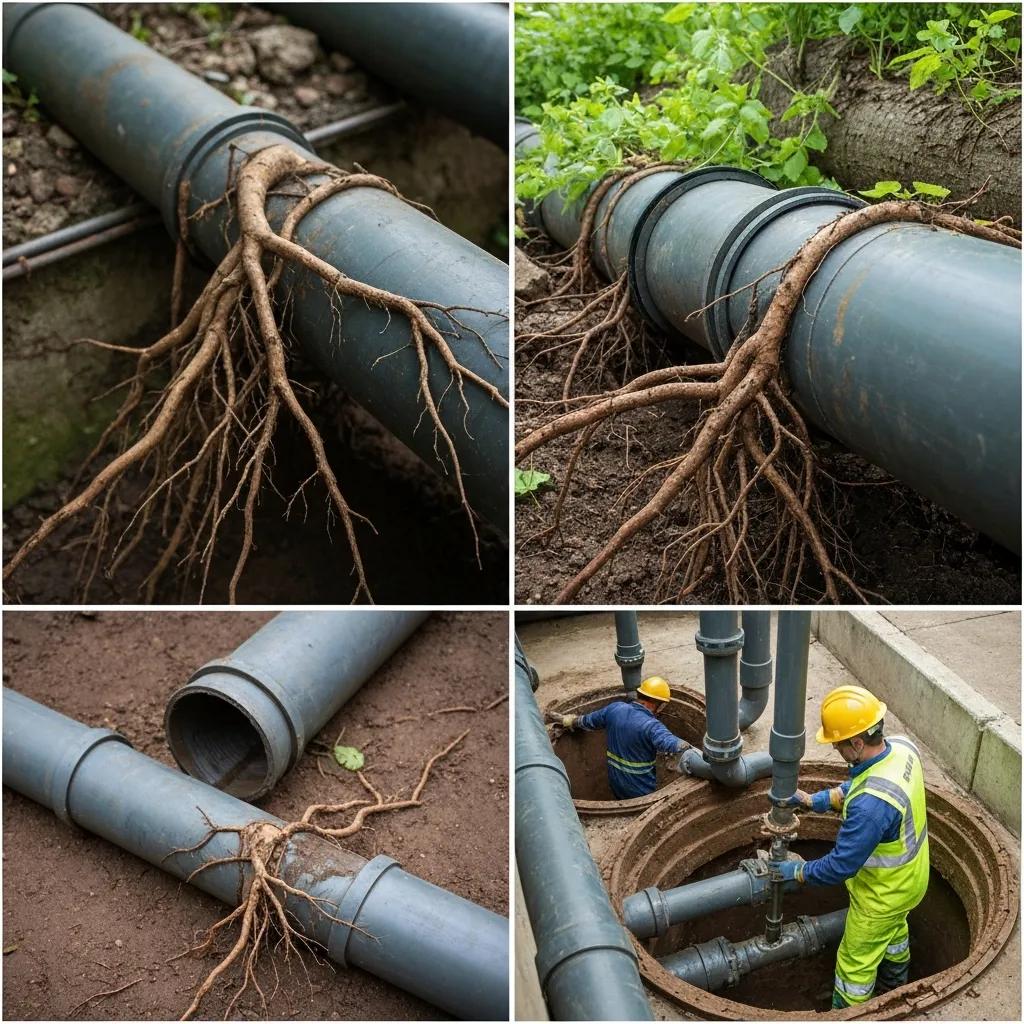
Several factors determine job length: blockage type and severity, pipe condition and material, accessibility to cleanouts or yard areas, and the removal method chosen. Each factor affects diagnostic complexity, setup time, and whether repairs are needed after clearing. Knowing these variables helps homeowners anticipate whether a technician will finish quickly or need to schedule follow-up work or trenchless repairs.
This table shows why two homes with similar symptoms can have very different service durations: the underlying cause and access points typically control whether a job is a quick service call or a multi-step repair. The next section gives concrete time ranges by method so you know what to expect.
How Does the Type and Severity of Blockage Affect Clearing Time?
Different blockages respond differently. Soft obstructions—like paper or hair—usually clear quickly with mechanical snaking and make for the shortest visits. Grease and mineral buildup bond to pipe walls and often require hydro-jetting with high-pressure water and specialized nozzles; that work takes longer but gives a deeper clean. Root intrusion is typically the most time-consuming: cutting roots, assessing pipe integrity, and planning lining or repairs can extend the visit significantly.
Severity ranges from localized soft clogs (fast, little follow-up) to widespread root or collapse (slow, likely repair). Camera inspection often changes initial estimates by revealing hidden severity, so early imaging is recommended. Understanding how blockage type affects time helps homeowners pick the right initial response and avoid wasting time on ineffective DIY fixes.
How Do Pipe Condition and Accessibility Impact Service Duration?
Pipe material and condition guide how deep diagnostics must go and which repair options make sense—older materials like cast iron or clay are more prone to corrosion and bellies that require further evaluation. Poor accessibility—buried cleanouts, thick landscaping, or locked gates—adds setup time for locating, exposing, and securing access points. Conversely, an exposed cleanout speeds diagnostics and clearing, saving both time and money.
In Orlando, mature landscaping and extensive tree roots commonly complicate access, and older neighborhoods increase the chance of aged pipes. Technicians equipped for trenchless assessments and carrying modular gear can reduce delays caused by poor access, but severe conditions still lengthen the overall service window. The next section provides direct time estimates for common methods so you’ll know what a crew will likely need.
How Long Does Main Sewer Line Clearing Typically Take in Orlando?
Most main sewer line clearings in Orlando finish within 1 to 3 hours from arrival to verification. That range assumes a camera-first workflow where diagnosis, method selection, execution, and post-clear verification are included. Below is a method-by-method comparison to help homeowners anticipate how long each approach usually takes and when each is appropriate.
What Is the Average Time for Drain Snaking Services?
When access is straightforward and the clog is soft and localized, drain snaking for a main line usually takes 30–60 minutes. A rotating auger or cable breaks up or retrieves the blockage—good for common household debris and compacted paper products. Snaking’s main advantage is speed and minimal setup; technicians can often resolve the issue on the first visit once the blockage is located.
Snaking does have limits: it rarely removes grease adhered to pipe walls and won’t clear widespread root networks or heavy mineral scale. If a camera inspection shows more extensive buildup or damage, the technician will recommend hydro-jetting or repairs, which changes both time and cost expectations.
How Long Does Hydro Jetting Take for Sewer Line Cleaning?
Hydro-jetting typically runs 1–2 hours for a main-line clean in Orlando, including setup, pressure testing, and post-jet camera verification. The process uses high-pressure water to cut and flush grease, scale, and light root penetration from pipe walls, producing a deeper clean than snaking alone. Equipment prep and safety checks—pressure calibration, nozzle selection, and containment—add time but lower the chance of damage and repeat visits.
Hydro-jetting is recommended when camera footage shows widespread buildup or grease films that resist mechanical cutting. Its thoroughness often reduces the frequency of future clogs and can extend pipe life when combined with scheduled maintenance—explaining why it usually takes longer than snaking but often provides better long-term value.
What Is the Overall Service Call Duration Including Inspection and Setup?
A typical professional service call for main sewer line clearing includes arrival and history-taking (10–20 minutes), camera inspection (15–45 minutes depending on pipe length), equipment setup (10–20 minutes), active clearing (30–120 minutes depending on method), and post-clear verification and cleanup (10–30 minutes). Combined, these steps usually yield a 1–3 hour total window for most Orlando jobs that don’t require major repair. This diagnostic-first approach helps crews get it right the first time and reduces return trips.
Expect the technician to explain initial findings, show camera footage when possible, and recommend follow-up maintenance or repair. Clearing access—moving cars, securing pets, or unlocking gates—ahead of the visit shortens setup and overall time; obstructed cleanouts or hidden access points are common reasons service calls run longer than estimated. The next section outlines the professional process step-by-step so you’ll know what technicians do at each stage.
What Is the Step-by-Step Process of Professional Sewer Line Clearing?
Professional sewer line clearing follows a clear workflow designed to minimize downtime and target the root cause efficiently: initial assessment, sewer camera inspection, method selection and execution, then post-clearing verification and homeowner briefing. Each stage has a purpose—assessment gathers context, camera inspection finds the problem, the chosen method removes the obstruction, and verification confirms success. Following this sequence reduces surprises and usually shortens total job time compared with guess-driven approaches.
- Initial assessment and history-taking: collect symptoms, past issues, and property layout.
- Sewer camera inspection: pinpoint blockage location, type, and evaluate pipe condition.
- Method selection and execution: choose snaking, hydro-jetting, or plan a repair based on findings.
- Post-clearing verification: re-run the camera, confirm flow, and advise on next steps.
These steps give homeowners a predictable framework for the visit and make clear where time is invested. The next subsection explains how camera inspection works and why it often reduces overall time and cost.
How Does Initial Assessment and Sewer Camera Inspection Work?
During the initial assessment, the technician asks about symptoms, checks visible cleanouts, and evaluates property access to estimate likely causes and the equipment needed. A sewer camera inspection uses a tethered camera pushed through the pipe to capture high-resolution footage, revealing roots, scale, cracks, collapses, and the distance to the blockage from the cleanout. That direct imaging turns guesswork into targeted action, often shortening the job because crews can bring the correct tools on the first visit.
In Orlando—where older pipes and root intrusion are common—camera inspection also helps decide whether clearing alone will suffice or if trenchless lining or a full repair is necessary. Early imaging lowers the risk of surprise multi-day repairs and helps homeowners choose between immediate clearing and scheduled restoration.
What Happens During Blockage Clearing and Post-Clearing Verification?
During clearing, technicians run the selected method—mechanical snaking or hydro-jetting—while monitoring pressure, flow, and camera footage to remove the obstruction without causing further damage. Safety steps include testing nozzle pressure, securing access points, and containing wastewater runoff to protect landscaping. After active clearing, a post-procedure camera pass confirms debris removal, checks for residual damage, and documents conditions that may need follow-up repair or preventive maintenance.
Technicians will usually show you the camera footage, present their findings, and recommend a maintenance schedule or repairs if necessary. Proper cleanup and a brief homeowner walkthrough finish the visit, so your property is left in order and you understand any changes in service expectations. The next section lists signs of a main-line problem so you can call early and possibly avoid longer or emergency jobs.
What Are the Signs You Need Main Sewer Line Clearing in Orlando?
Spotting main-line trouble early lets you call before a small issue becomes an emergency. Common signs include backups in multiple fixtures, persistent gurgling noises, sewage odors near drains or in the yard, and slow drainage across several fixtures. Those symptoms point to a shared main-line obstruction rather than a single fixture issue and usually require professional diagnostics to confirm.
- Multiple fixtures backing up at once: likely a problem in the home’s main line.
- Gurgling drains: air trapped by restricted flow causes bubbling or suction sounds.
- Sewage odor in drains or yard: suggests trapped waste or partial backups in the main line.
- Slow drains across many fixtures: a general reduction in flow often signals main-line restriction.
These are clear triggers to call a pro—DIY fixes rarely solve main-line obstructions. If you notice any of these signs, a prompt camera inspection can identify and clear issues before they escalate. The next subsections explain the mechanics behind gurgling and odors and offer quick checks you can do before the technician arrives.
How Do Gurgling Drains and Multiple Fixture Backups Indicate a Blockage?
Gurgling happens when air pockets form behind a restriction and push water through traps, producing bubbling sounds; this is more common when multiple fixtures show symptoms because the obstruction affects the shared downstream pipe. Multiple-fixture backups occur when wastewater has nowhere to go and pressure forces it back through lower drains—a classic sign of main-line blockage rather than a single trapped fixture. Simple checks—like seeing whether toilets, showers, and sinks back up together—help technicians prioritize camera inspection and method selection.
Noting simultaneous backups reduces wasted time on fixture-level troubleshooting and gets the focus on main-line diagnostics right away. Clear communication about observed symptoms when the technician arrives speeds method selection and can shorten the total service window.
What Does Sewage Odor or Slow Drains Reveal About Sewer Line Health?
Persistent sewage odor often points to trapped waste, partial blockages, or breaches that allow gases to escape. Slow drains across multiple fixtures usually indicate constricted flow in the main sewer pipe. Odors confined to a single fixture may be a trap issue, but smells in multiple rooms or outside are more likely tied to the main line. Slow drainage paired with odor is a strong sign that a camera inspection is needed to locate buildup, cracks, or cross-connections that require professional clearing or repair.
Separating trap issues from main-line problems helps you prioritize interventions and avoid unnecessary full-line service calls when a localized fix would do. The next section covers prevention strategies that cut how often you’ll need clearing and how those steps shorten future service times.
How Can Orlando Homeowners Prevent Frequent Sewer Line Blockages and Reduce Clearing Time?
Preventive maintenance lowers both the frequency and the complexity of main-line blockages, which shortens clearing time when you do need service. Recommended actions include not flushing non-degradable items, keeping grease out of drains, scheduling periodic camera inspections for at-risk properties, and managing landscaping to limit root intrusion near sewer lines. These steps address the common causes of recurring clogs and help crews resolve issues faster when they occur.
- Schedule regular camera inspections: early imaging finds buildup and small root issues before they get worse.
- Don’t flush wipes, feminine products, or large paper loads: non-degradable items cause persistent main-line clogs.
- Manage grease: collect cooking oil and toss it in the trash instead of pouring it down the sink.
- Watch trees and landscaping: keep large roots away from sewer lines and consult a pro before planting near laterals.
Adopting these habits reduces heavy grease and root-based blockages and makes service visits shorter and more predictable. The next subsection ties these prevention steps to Orlando’s specific environmental factors so you can prioritize actions.
What Preventative Maintenance Tips Are Recommended for Orlando Properties?
Orlando homeowners should consider camera inspections every 1–2 years for older homes or properties with mature trees—early detection of root incursion or scale prevents emergency backups. Regular hydro-jetting on a schedule for properties with repeated grease or slow-drain issues clears developing buildup before it hardens, making future clears faster and less invasive. Everyday habits—like catching grease, avoiding flushing non-degradable items, and using drain strainers—also reduce the chance of stubborn main-line obstructions.
Combining homeowner habits with professional maintenance creates a routine that lowers lifecycle costs and minimizes unexpected service durations. Regular prevention catches issues while they’re manageable instead of after they require more extensive repair.
How Does Orlando’s Environment Affect Sewer Line Maintenance Needs?
Local conditions—sandy soils, a high water table in some neighborhoods, abundant landscaping, and certain tree species—raise the risk of root intrusion and shifting soils that stress underground pipes. Seasonal heavy rains can saturate the ground and increase pressure on lines, creating bellies or collapse that change both maintenance frequency and remediation time. Older neighborhood infrastructure may include pipe materials that corrode or separate at joints, which lengthens inspection and repair timelines.
Understanding these local drivers helps homeowners target preventive measures—like more frequent inspections near mature trees or prompt hydro-jetting after heavy grease use—to keep clearing jobs quicker and less frequent. The next section explains cost expectations and emergency response windows so you know what to budget and how emergency service typically works.
What Should You Expect Regarding Cost and Emergency Service Timeframes for Sewer Line Clearing in Orlando?
Costs and emergency response windows vary with blockage severity, chosen method, and whether immediate stabilization is required. Typical service components include the camera inspection, clearing labor and equipment, post-verify camera, and any emergency dispatch fees for 24/7 response. Below is a table linking typical time for each component to expected local cost ranges so homeowners can plan for scheduled and emergency work.
How Does Blockage Severity Influence Cost and Service Duration?
Severity determines whether the job is a quick clear or a multi-step repair. Simple clogs that snaking resolves are fastest and least expensive, since they need minimal equipment and labor time. Moderate to severe buildup that requires hydro-jetting costs more because of the equipment and crew time, but it often cuts down on return calls. If a camera inspection reveals collapsed pipes or major root intrusion, the work shifts from clearing to repair and can require longer timelines and higher material and labor costs.
Expect cost and time to rise together with complexity: the deeper the structural problem, the longer and more expensive the job. Transparent pricing and upfront estimates from a reputable provider help avoid surprises and make planning follow-up repairs easier. The next subsection explains when 24/7 emergency clearing is appropriate and what to expect from emergency responders.
When Is 24/7 Emergency Sewer Line Clearing Available in Orlando?
Emergency service is appropriate when sewage is backing up into living spaces, cleanouts are overflowing uncontrollably, or there’s a health risk from active sewage intrusion. 24/7 responders focus on stabilization—opening a flow path or containing backups—to protect occupants and property; full repairs or trenchless lining are typically scheduled later during daylight hours. Response windows vary, but you can expect priority arrival and rapid mitigation followed by a recommended plan for permanent repair if diagnostics reveal deeper issues.
A local 24/7 provider with hydro-jetting capability and camera-first diagnostics reduces the chance of multiple dispatches, because they can both stabilize the situation and evaluate next steps in one visit. Below we show how a local provider puts this camera-first, hydro-jetting-forward approach into practice.
As a practical example, Brightwater Plumbing—a family-owned company serving Winter Garden and Greater Orlando—uses a camera-first workflow, modern hydro-jetting equipment, and round-the-clock emergency availability to deliver fast, reliable results. We focus on accurate upfront diagnostics to avoid unnecessary excavation, honest pricing to set clear expectations, and emergency stabilization when backups threaten living spaces. When you call for emergency assistance or scheduled maintenance, expect specialists who combine diagnostic imaging with on-site hydro-jetting to minimize return visits and shorten total downtime; contact details are available on their local listing.
This example shows how camera-first diagnostics, modern hydro-jetting, and emergency availability together reduce clearing time and lower the chance of surprise repairs. Use these attributes as selection criteria when choosing a contractor so your service call is efficient and predictable.
Frequently Asked Questions
1. What are the common causes of main sewer line blockages in Orlando?
Common causes include tree root intrusion—especially in neighborhoods with mature landscaping—and grease buildup from improper disposal of cooking oils. Other frequent contributors are non-degradable items flushed down toilets (like wipes or feminine products) and mineral scale in older pipes. Knowing these causes helps homeowners prevent future clogs.
2. How can I tell if my main sewer line needs immediate attention?
Immediate attention is likely needed if multiple fixtures back up at once, you hear persistent gurgling from drains, or you smell sewage in drains or the yard. Slow drainage across several fixtures is another warning sign. If you see any of these symptoms, contact a professional for a camera inspection to avoid escalation.
3. What preventative measures can I take to maintain my sewer line?
Schedule camera inspections every 1–2 years for older homes or properties with large trees, avoid flushing non-degradable items, and manage grease disposal (collect and throw it away rather than pouring it down the sink). Also use drain strainers and keep landscaping away from sewer laterals. These steps reduce blockages and the need for clearing services.
4. How does the age of my home affect sewer line maintenance?
Older homes often have outdated pipe materials—like cast iron or clay—that are more prone to corrosion, cracks, and root intrusion. These conditions can lead to more frequent clogs and repairs, so regular inspections and proactive maintenance are essential to catch issues early and avoid costly emergencies.
5. What should I do if I experience a sewer backup?
If you have a sewer backup, stop using water in the house to limit overflow. Check accessible cleanouts for visible signs, and call a professional immediately—especially if sewage is entering living areas. A technician can perform a camera inspection, diagnose the problem, and recommend the right clearing or repair method.
6. Are there any environmental factors in Orlando that affect sewer line health?
Yes. Sandy soils, a high water table in some areas, and heavy seasonal rains can shift soil and put pressure on pipes, increasing the risk of bellies, collapses, and root intrusion. Mature trees common in the region also raise the chance of root damage. These factors make regular inspections and timely maintenance more important.
7. How can I choose the right plumbing service for sewer line clearing?
Choose a company that prioritizes camera-first diagnostics and has hydro-jetting experience. Look for 24/7 emergency availability if you need urgent help, read customer reviews, and ask for clear, upfront pricing. A reputable service will explain the process, show camera footage when possible, and provide a detailed estimate before starting work.
Conclusion
Knowing the typical timeframe for main sewer line clearing in Orlando helps you plan for maintenance and emergency responses with less stress. By recognizing the factors that affect service duration—like blockage type and pipe condition—you can better anticipate costs and scheduling needs. Simple preventative steps and regular inspections reduce how often you’ll need clearing and make future visits quicker. For dependable help, work with a plumbing service that uses camera-first diagnostics and offers timely interventions.
Get a Free Quote!
Terms and Conditions
Request a Quote
Terms and Conditions
Request a Quote
Terms and Conditions