

Which is better for your health: hard water or softened water?
Ensure your home stays dry and safe with our expert leak detection services. Identify plumbing issues early to prevent costly damage and stress.
Free Estimate
Water quality matters more than most people think. Many Orlando residents aren’t sure how hard water and softened water differ — or what those differences mean for skin, hair, appliances, and overall health. This guide breaks down the minerals, potential benefits, and possible downsides of each so you can make clear, practical choices for your household. We’ll cover where Orlando’s hard water comes from, the health effects of both types, and how to choose the right treatment for your home.
What is the source and composition of Orlando's hard water?
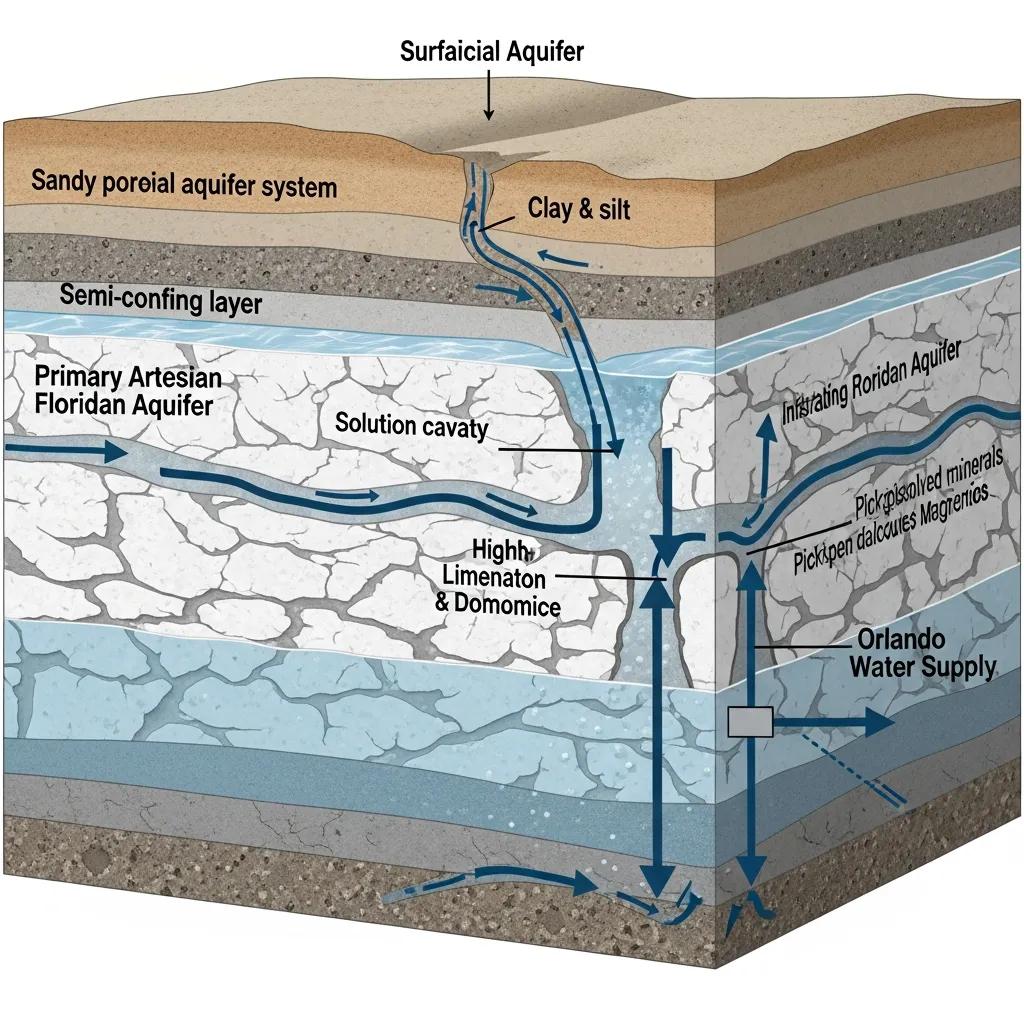
Most of Orlando’s hard water starts in the Floridan Aquifer — a limestone-rich groundwater source under much of central Florida. As water moves through those rock layers it picks up dissolved minerals, especially calcium and magnesium, which make the water “hard.” Those minerals are common and even useful in small amounts, but they can also lead to scaled pipes and appliances when concentrations are high. Knowing your water’s source helps you decide if treatment is worth it for your home.
How does the Floridan Aquifer influence Orlando's water quality?
The aquifer’s limestone and other rock layers naturally filter water while adding minerals. As groundwater passes through those formations it dissolves calcium and magnesium, which raises hardness. That mineral-rich water can provide trace nutrients, but it’s also why you see limescale on faucets, water heaters, and coffee makers in the area.
What minerals cause hardness in Orlando's tap water?
Calcium and magnesium are the main culprits behind hard water. In moderate amounts they support bone and muscle function, but when they’re abundant in water they can reduce soap performance, leave residue on skin and hair, and build up inside plumbing. Testing your water tells you how much of these minerals you’re dealing with and whether a softening system makes sense.
What are the health benefits and risks of drinking hard water?
Hard water can be both helpful and a nuisance. Its mineral content offers some nutritional value, but it can also affect skin, hair, and household systems. The overall health trade-offs are usually small — most people get minerals from food — but certain households may notice real differences.
How do calcium and magnesium in hard water affect your health?
Calcium and magnesium are essential nutrients linked to bone health, muscle function, and heart rhythm. Hard water can contribute trace amounts of these minerals, but it’s rarely a primary source compared with diet. For most people, the minerals in tap water are safe and sometimes beneficial; they’re not a substitute for balanced nutrition, though.
Can hard water cause skin or digestive issues?
Some people, especially those with sensitive skin or conditions like eczema, find hard water worsens dryness or irritation because soap doesn’t rinse as cleanly. There’s limited evidence tying hard water to digestive problems — most people tolerate it fine. If skin dryness or soap residue is a concern, a softener or targeted filtration can help.
What are the health advantages and considerations of softened water?
Softened water removes the calcium and magnesium that cause hardness, which often improves skin and hair feel and protects plumbing. The main trade-off is the small increase in sodium when traditional ion-exchange softeners are used — something to consider if you’re on a strict low-sodium diet.
How does water softening improve skin and hair health?
Removing hardness minerals lets soap and shampoo lather and rinse more effectively, so skin feels less dry and hair can look smoother with less frizz. Many people notice softer towels and fewer residue spots after switching to softened water, which makes daily grooming easier and gentler.
Are there health risks from increased sodium in softened water?
Most softening systems swap calcium and magnesium for sodium or potassium. The added sodium is usually small and won’t affect most people, but anyone on a strict low-sodium regimen or with certain health conditions should check the numbers and talk to their doctor. Potassium-based systems or point-of-use filters are alternatives if sodium is a concern.
How do water softening systems work to improve water quality in Orlando homes?

Water softeners and filtration systems use different methods to address specific issues. Softeners reduce hardness minerals to protect plumbing and improve soap performance. Filtration removes contaminants that affect taste, odor, and safety. Choosing the right brand and combination depends on your water test results and household priorities.
What is ion exchange technology in water softeners?
Ion exchange is the most common softening method. Water passes over resin beads that hold sodium or potassium ions. Calcium and magnesium swap places with those ions, so the water leaving the unit is “soft.” Periodic regeneration with salt or potassium refills the resin so it continues to work effectively.
How do water filtration and softening systems complement each other?
Softening tackles mineral hardness; filtration handles chlorine, sediment, microbes, and other contaminants. Together they deliver water that’s kinder to skin and appliances and tastes better. Homeowners often pair a whole-house softener with point-of-use filters for drinking water to get the best of both worlds.
How can you choose the right water treatment system for your health and home in Orlando?
Picking the right system starts with a water test and a clear list of priorities: do you want better-tasting water, longer appliance life, or gentler water for skin and hair? Budget, maintenance, and household size also matter. A qualified local plumber can help match solutions to your needs.
What factors should homeowners consider when selecting water softeners?
Look at water hardness levels, family size, flow rate needs, and preferred maintenance. Test results tell you mineral concentrations and help size the system correctly. Compare upfront cost, ongoing salt or potassium needs, and service requirements so the system fits both your budget and lifestyle.
How does Brightwater Plumbing support water quality improvements locally?
At Brightwater Plumbing, we help Orlando homeowners diagnose water issues, recommend the right softening and filtration options, and handle professional installation and maintenance. We focus on practical, long-term solutions that protect your family and your home — and we stand behind our work so you get reliable results.
What are the long-term effects of hard and softened water on appliances and plumbing?
The water you run through your pipes affects how often you repair or replace appliances. Hard water increases scale and wear; softened water reduces buildup and helps systems run more efficiently.
How does hard water cause limescale buildup and appliance damage?
Minerals in hard water precipitate as limescale inside heaters, kettles, and pipes. Scale reduces heat transfer and flow, which raises energy bills and can cause premature failure of appliances. Over years, those added costs and repairs add up, making treatment a wise investment for many households.
How does softened water protect plumbing and extend appliance lifespan?
Softened water limits mineral deposits, helping appliances run cleaner and more efficiently. That typically lowers energy use and reduces service calls and replacements. Many homeowners see fewer clogged fixtures, longer-lasting water heaters, and better-performing coffee makers after installing a softener.
Frequently Asked Questions
What are the environmental impacts of using softened water?
Softening can raise sodium in wastewater and create brine that needs proper disposal. That can affect soil and plants if you use softened water for irrigation. To reduce impact, consider potassium-based softeners, efficient systems that use less salt, or combining softening with targeted filtration. Your plumber can recommend options that balance household benefits with environmental concerns.
Can hard water affect the taste of drinking water?
Yes. The extra minerals in hard water can give a noticeable mineral taste that some people don’t like. Softened water tastes milder, but if you’re picky about flavor, pairing a softener with a carbon or reverse-osmosis filter for drinking water gives the smoothest result.
How does hard water impact laundry and clothing?
Hard water makes detergents work less effectively, which can leave clothes looking dull and feeling stiff. Mineral residue also shortens fabric life over time. Using softened water improves cleaning, keeps colors brighter, and helps fabrics stay softer longer.
Are there any health benefits to drinking softened water?
Softened water can be gentler on skin and hair and improve soap performance, which helps hygiene. However, it typically contains more sodium than hard water, so people on low-sodium diets should check levels or use a separate filtered tap for drinking water. Overall, the health benefits are mostly about skin comfort and household hygiene rather than nutrition.
What are the costs associated with installing a water softening system?
Installation costs vary by system type, size, and installation complexity. On average, homeowners can expect to pay between $500 to $2,500 for water softening equipment and complete softening system, including installation. Remember to factor in ongoing costs for salt or potassium and occasional servicing when comparing options. Getting multiple quotes and calculating long-term savings on appliances can help you choose wisely.
How often should water softening systems be maintained?
Regular maintenance keeps a softener working well. Check the brine tank’s salt level monthly and refill as needed. Most systems benefit from an annual service to clean resin and check controls. Depending on use and water hardness, some units may need more frequent attention — follow the manufacturer’s recommendations and your installer’s advice for best results.
Conclusion
Both hard and softened water have pros and cons. Hard water can add trace minerals but can also cause residue and appliance wear. Softened water protects plumbing and makes skin and laundry feel better, with a small sodium trade-off to consider. Start with a water test, weigh your priorities, and choose a treatment that fits your family and home. If you’d like local advice, Brightwater Plumbing can help you test, compare options, and install the right system for Orlando living.
Get a Free Quote!
Terms and Conditions
Request a Quote
Terms and Conditions
Request a Quote
Terms and Conditions