

Why Oviedo Homes Get Burst Pipes & Slab Leaks
Oviedo's 1980s, 1990s Building Boom Created a Ticking Clock for Pipes
Free Estimate
Tuscawilla. Alafaya Woods. Remington Park. These neighborhoods went up fast during Oviedo's biggest growth wave. Builders were moving dirt and pouring slabs at a pace the area had never seen. And most of those homes share the same plumbing DNA.
That's the problem.
Copper supply lines and CPVC pipes were standard during that era. Both materials were solid choices at the time. But copper reacts to Seminole County's hard water, and CPVC gets brittle as it ages. We're now 30 to 40 years into the life of those pipes. That puts thousands of Oviedo homes right in the failure window.
What's Actually Happening Inside the Walls
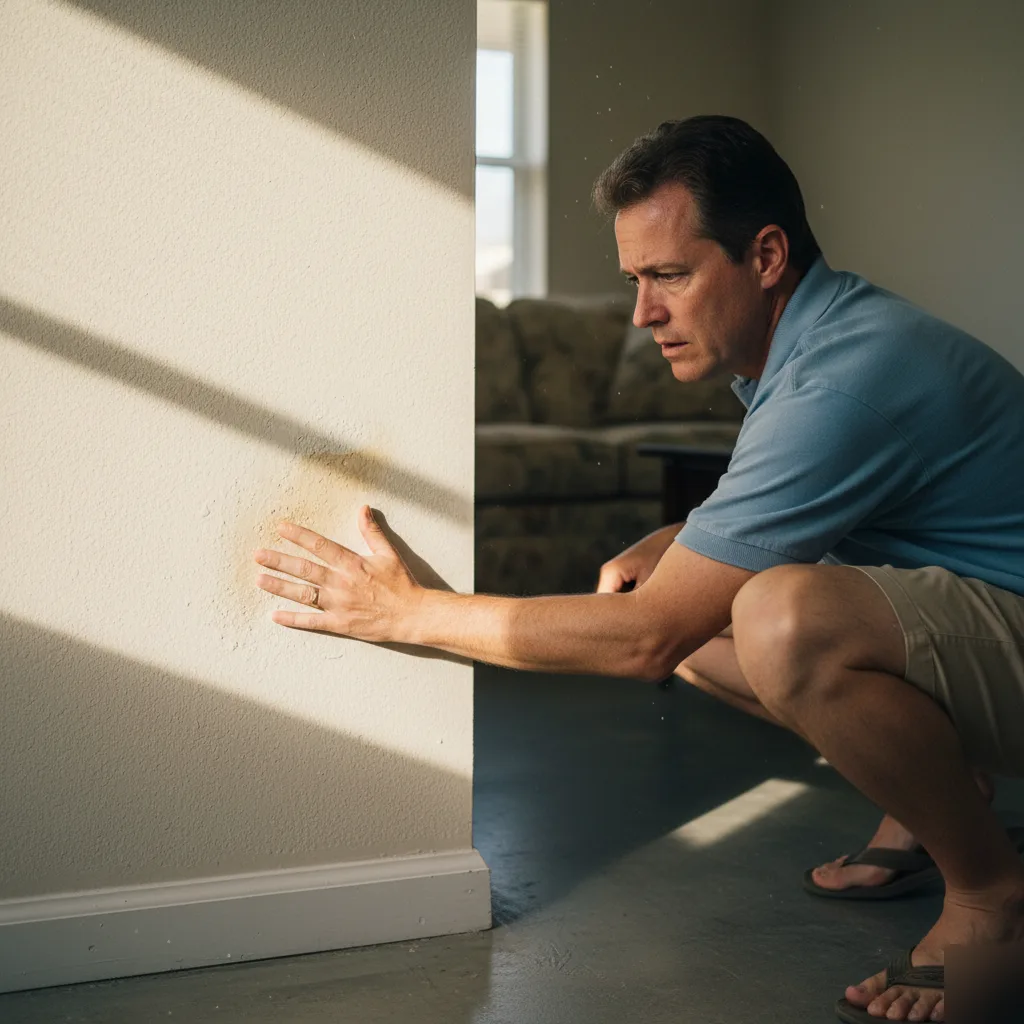
Hard water deposits build up inside copper pipes year after year. The mineral scale narrows the pipe opening, raises water pressure in spots it shouldn't be high, and eats through the pipe wall from the inside out. We see pinhole leaks in copper lines constantly in Tuscawilla homes built between 1985 and 1995. A homeowner won't notice anything until a wet spot shows up on the ceiling or the water bill spikes for no clear reason.
CPVC tells a different story. It doesn't corrode like copper. It dries out and cracks. Joints fail first. Then straight runs start splitting, usually in attics or behind walls where temperature swings are the worst. One hard freeze or one summer afternoon in a 150-degree attic, that's all it takes to push an aging CPVC fitting past its limit.
Attics in Central Florida are no joke in July. We've pulled fittings out of homes near Alafaya Woods where the plastic had gone almost completely white from heat exposure, brittle enough to snap with two fingers.
Slab Leaks Tied to the Same Era
Homes built during the boom used copper lines under the concrete slab for hot and cold water supply. Those lines sit in direct contact with soil and limestone. Over decades, the exterior of the pipe corrodes from the outside in while scale builds from the inside out. The pipe gets squeezed from both directions — and when it finally gives, you're facing an emergency plumbing repair in Oviedo that can't wait until morning.
We've pulled sections of under-slab copper from Alafaya Woods homes that looked like Swiss cheese. Most people don't realize this until they hear water running with every faucet shut off. By then the slab leak has been active for weeks, sometimes months, and the water has nowhere to go but into the foundation.
According to the Insurance Information Institute, water damage and freezing account for roughly 29 percent of all homeowners insurance claims. A big share of those come from aging supply lines and slab leaks exactly like the ones we find across Oviedo's established subdivisions.
Why It All Hits at Once
Here's what catches homeowners off guard. Every home in a subdivision was built within a year or two of each other. Same builder, same materials, same installation crew. So when one house on the street gets a burst pipe or a slab leak, the neighbors aren't far behind. We've done plumbing leak detection on three houses in the same Remington Park cul-de-sac within a single month.
The pipes don't fail randomly. They fail on schedule.
If your Oviedo home was built between 1980 and 2000, the original plumbing is entering its most vulnerable years right now. That doesn't mean a burst pipe is coming tomorrow. But a plumbing leak detection check, or at least a conversation about repiping service, is worth your time before a small problem turns into a big one. Brightwater Plumbing of Oviedo works in these neighborhoods every week. what to look for and where these systems tend to give out first.
Clay Soil and Wetland-Adjacent Ground Make Slabs Shift Under Oviedo Homes

Most people think of Florida soil as sandy. And in a lot of the state, that's true. But Oviedo sits in a pocket where clay layers mix with sandy fill, and much of the city borders wetlands, lakes, and low-lying conservation areas. That mix creates ground conditions that move underneath your home's concrete slab more than you'd expect.
Here's what happens. Clay soil absorbs water and swells during our summer storms. Then it dries out and shrinks during cooler, drier months. That cycle of expand-and-contract puts constant stress on a concrete slab. The slab doesn't flex with the soil, it cracks. And when a slab cracks, it drags your water supply lines and drain pipes along with it.
We see this pattern a lot in Tuscawilla and Alafaya Woods. Homes built in the 1980s and 1990s sit on slabs that have had 30-plus years of soil movement working against them. The copper supply lines underneath shift just enough to develop pinhole leaks or full separations at joints. That's a slab leak, and it can run for weeks before you notice a warm spot on the floor or a water bill that jumped for no reason.
Why Wetland-Adjacent Lots Are Worse
Neighborhoods near Black Hammock, the Econ River corridor, and the low areas east toward Chuluota deal with a second problem. The water table sits high. During heavy rain events, groundwater pushes up against the underside of the slab. This creates hydrostatic pressure that can lift sections of concrete unevenly.
Even a quarter-inch shift matters. Your pipes don't have a quarter-inch of flex built in. Something gives, and it's usually a joint or a corroded section of pipe that was already weakened by Seminole County's hard water.
A few signs that soil movement may be affecting your slab and pipes:
- Hairline cracks appearing in your tile or along baseboards
- Doors that suddenly stick or won't latch properly
- A water meter that keeps spinning when every fixture is off
- Damp or warm spots on your floor with no obvious source
Any one of those is worth a call. Two or more together, that's a strong signal you've got a slab leak forming underneath.
We've done plumbing leak detection on homes where the owner thought they had a foundation problem. Turns out the foundation was fine. The soil shifted just enough to crack a drain line, water pooled under the slab, and that trapped moisture caused the slab to settle unevenly. The leak caused the foundation issue, not the other way around. Most people don't realize it works in that direction.
You can't control the soil under your home. But you can catch problems early. If your home is in one of Oviedo's older subdivisions, or sits on a lot that backs up to a wetland or retention pond, keep an eye on your water bill every month. A sudden jump of even 10 to 15 percent is your first clue. And if you spot signs of shifting, Brightwater Plumbing of Oviedo can run a plumbing leak detection check to find out exactly what's going on beneath the slab before it turns into a bigger repair.
Oviedo's Water Chemistry Quietly Corrodes Copper Pipes from the Inside
You can't see it happening. That's the problem. The water running through your Oviedo home looks clean and tastes fine, but it's slowly eating your copper pipes from the inside out. Seminole County water tests consistently hard, loaded with dissolved minerals like calcium and magnesium. Over years, those minerals do real damage to the interior walls of copper supply lines.
Here's what most homeowners don't realize. Hard water doesn't just leave white scale on your showerhead. It creates uneven buildup inside your pipes, and that buildup causes turbulence in the water flow. Turbulence leads to pitting corrosion, tiny pinhole leaks that start small and grow fast. We see this constantly in Tuscawilla and Alafaya Woods homes built in the 1980s and 1990s. The copper looked fine when it was installed. Thirty-plus years of hard water changed that.
How Pitting Corrosion Actually Works
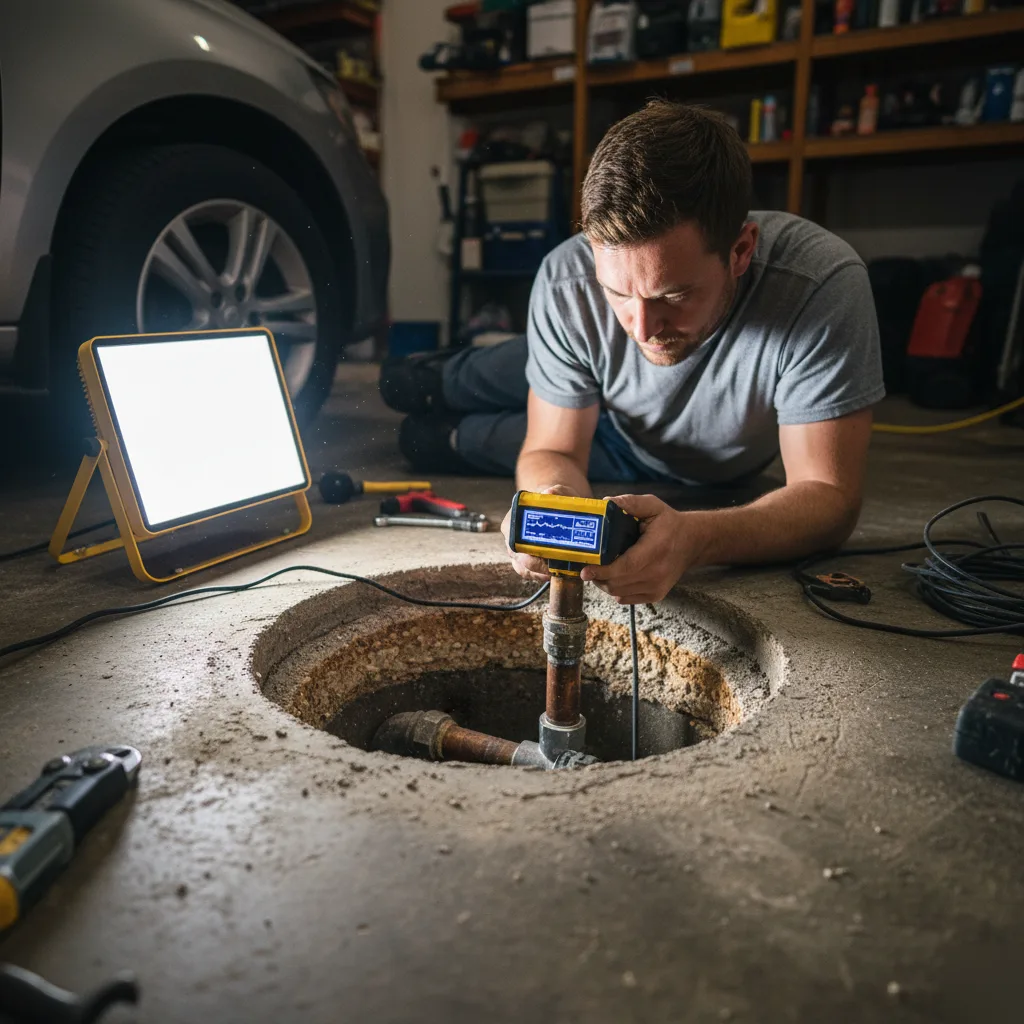
Think of it like rust on a car, but hidden inside your walls. Mineral deposits create hot spots on the pipe's inner surface. Water chemistry shifts slightly at those spots, the copper oxidizes, and a tiny pit forms. That pit gets deeper over time. One day it breaks through, and you've got a pinhole leak spraying water behind your drywall.
And it's not just one spot. Once pitting starts in a section of pipe, it tends to show up in multiple places. We'll fix one pinhole leak in a home near Oviedo on the Park, then get a call three months later for another one in a different bathroom. The pipe didn't fail in one place. The whole system is aging at the same rate.
By the way, if you've ever noticed your water pressure drop slowly over a few years rather than all at once, that's mineral buildup narrowing the pipe opening. Homeowners usually chalk it up to the city's water pressure. Sometimes it's your own pipes.
pH Levels Matter More Than You Think
Hard water is only part of the story. The pH level of your water plays a big role too. Water that's even slightly acidic speeds up copper corrosion. Central Florida's water supply can fluctuate in pH depending on the source and treatment. Homes on well water out in Chuluota and Geneva face this even more, since private wells don't get the same chemical balancing that municipal water does.
A water filtration system installation or water softener installation can slow this process down. It won't reverse damage already done, but it takes the pressure off your remaining pipe life. If you're noticing blue-green stains around your drains or faucets, that's dissolved copper showing up in your water. It's a warning sign.
So what does this mean for burst pipes and slab leaks? A corroded copper line under your slab has nowhere to expand when it finally gives out. The water pushes into the sand and limestone beneath your foundation. By the time you notice a warm spot on the floor or a spike in your water bill, the leak has been active for weeks.
We've pulled corroded copper out of homes where the pipe walls were paper-thin. The homeowner had no idea anything was wrong until their water bill doubled. That's the nature of this problem, it's invisible until it isn't.
If your Oviedo home is more than 20 years old and you've never had a plumbing leak detection done, it's worth getting ahead of this. A check now can save you from a slab leak repair later. Brightwater Plumbing of Oviedo handles both plumbing leak detection and repiping service for homes across Seminole County, so if you want to know where your pipes stand, visit our plumbing services page to get started.
Get a Free Quote!
Terms and Conditions
Request a Quote
Terms and Conditions
Request a Quote
Terms and Conditions