

Will homeowners insurance pay for clogged drain repairs?
Ensure your home stays dry and safe with our expert leak detection services. Identify plumbing issues early to prevent costly damage and stress.
Free Estimate
Homeowners insurance is meant to protect you from unexpected damage, but many homeowners wonder whether it will pay for clogged drain repairs. This guide breaks down how insurance typically treats clogged drains, common exclusions to watch for, and situations where you may be responsible for the bill. We’ll also cover preventative maintenance and local Orlando factors that often affect plumbing systems, so you can make smarter decisions about repairs and coverage.
Does Homeowners Insurance Cover Clogged Drains and Drain Cleaning?
Policies differ by insurer and plan, but in most cases homeowners insurance does not cover clogged drains or routine drain cleaning. Standard policies usually exclude problems tied to routine maintenance—exactly the kind of issues clogged drains stem from. If a clog happens because of neglect or long-term buildup, the cost typically falls to the homeowner.
Why Are Clogged Drains Often Excluded from Coverage?
Insurers treat clogged drains as maintenance problems rather than sudden accidents. They expect homeowners to keep plumbing in working order, so things caused by wear, lack of upkeep, or ongoing issues are usually excluded. In short: if the clog developed over time or from repeated slow drainage, a claim is likely to be denied.
For example, ignoring persistent slow draining until it becomes a major blockage is the sort of situation insurers usually classify as preventable—and therefore not covered.
When Might Insurance Cover Damage Related to Drain Clogs?
Although the clog itself is generally excluded, insurance may cover damage that results from a clog in certain circumstances. If a clog causes sudden, accidental water damage—like an unexpected overflow that ruins floors or walls—your policy might pay for the resulting repairs. Definitions of "sudden and accidental" vary, so read your policy closely and talk to your agent.
One example is a pipe that bursts because of pressure from a backup; if the cause isn’t tied to homeowner neglect, the ensuing water damage could be covered.
What Is Water Backup Coverage and How Does It Relate to Sewer Backup Insurance Policies?
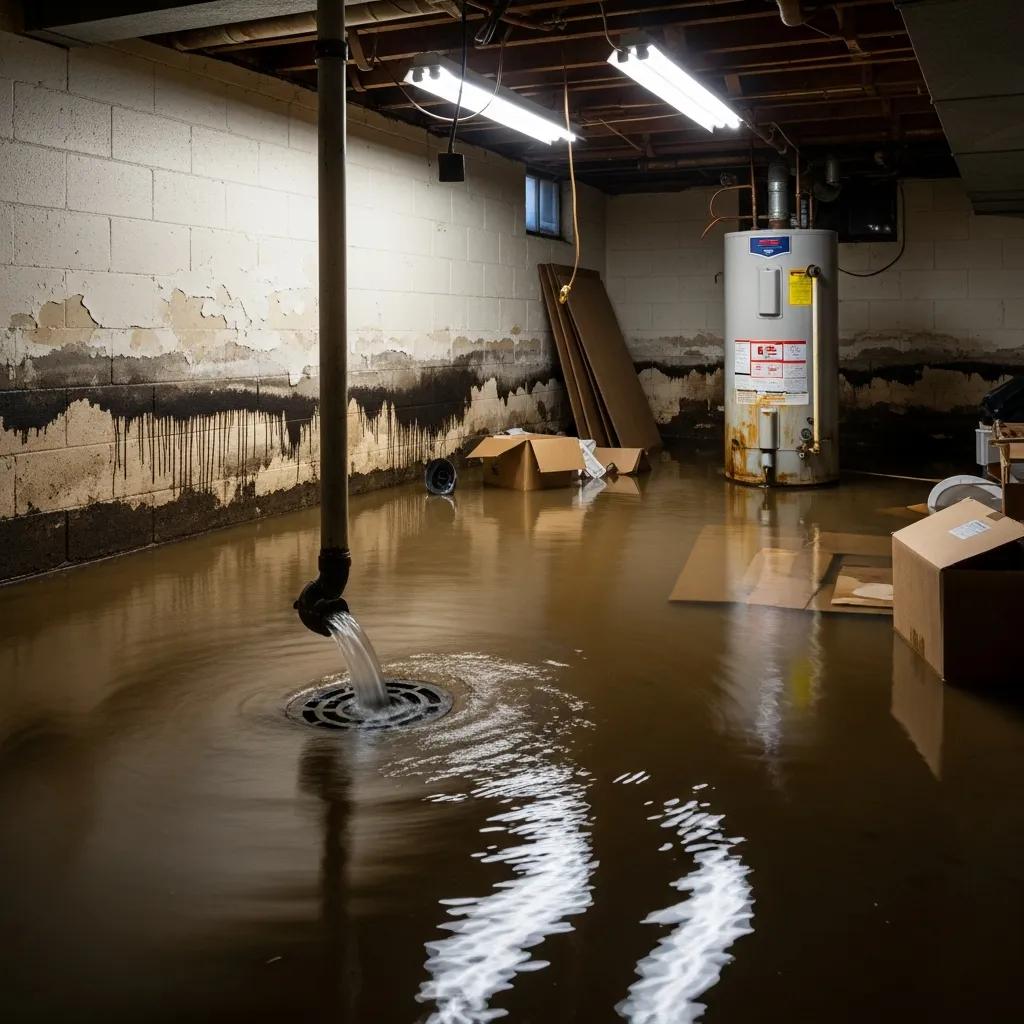
Water backup coverage specifically covers damage from water that backs up through drains or sewers. It’s commonly offered as an add-on (an endorsement) to a standard homeowners policy rather than included automatically—so you’ll want to check whether you already have it or if it’s available to add.
What Does a Water Backup Endorsement Include?
A water backup endorsement usually pays for damage from sewage or drain backups—this can include cleanup costs, repairs to structural elements, and loss of personal property. Keep in mind these endorsements often have limits and exclusions, so review the fine print to know exactly what’s covered and what the dollar caps are.
Is Sewer Line Repair Covered Under Standard Policies?
Sewer line repairs are typically not covered under standard homeowners policies unless the damage is caused by a listed, covered peril. Some insurers offer optional riders or separate plans that address sewer line failures, so homeowners who want protection for sewer repairs should ask about additional coverage or specialized policies.
How Can Water Damage from Drain Clogs Affect Your Insurance Claims?
Claims for water damage tied to clogged drains can be complex. When you file, the insurer will investigate the cause—if the damage stems from neglect or long-term issues, a claim may be denied. If it was a sudden event unrelated to a lack of maintenance, you have a better chance of coverage.
Understanding 'Sudden and Accidental' Damage in Insurance Terms
Insurers use "sudden and accidental" to describe unexpected events that cause damage quickly. A sudden overflow that soaks flooring or walls can fall under this definition. But damage from ongoing neglect, gradual deterioration, or routine wear is usually excluded—so how the insurer classifies the incident matters a lot.
Common Causes of Water Damage from Clogged Drains
Several things commonly lead to backups and water damage:
- Tree Roots: Roots can grow into sewer lines, causing blockages and backups.
- Grease Buildup: Pouring grease down drains creates stubborn clogs over time.
- Foreign Objects: Flushing or washing items that don’t belong in the drain can cause complete blockages.
Knowing these causes helps homeowners prevent problems that could lead to costly repairs or denied claims.
What Orlando-Specific Factors Influence Drain Issues and Insurance Coverage?
Orlando homeowners face local conditions that can make drain problems more likely or affect how insurers view damage. Being aware of these regional factors can help you protect your plumbing and your claims.
How Does Hard Water Contribute to Drain Clogs?
Hard water—rich in calcium and magnesium—can leave mineral deposits inside pipes that narrow flow and contribute to clogs. Orlando homes with hard water may benefit from a water-softening system or more frequent maintenance to reduce buildup.
Impact of Sandy Soil and Hurricane Season on Plumbing Systems
Orlando’s sandy soil usually drains well, but heavy rains and hurricane-season storms can overwhelm systems and increase the risk of backups and surface flooding. That extra water pressure can stress sewer lines and drains, so homeowners should keep drainage clear and consider seasonal checks to reduce risk during storm months.
What Preventative Maintenance Can Help Avoid Uninsured Drain Repairs?
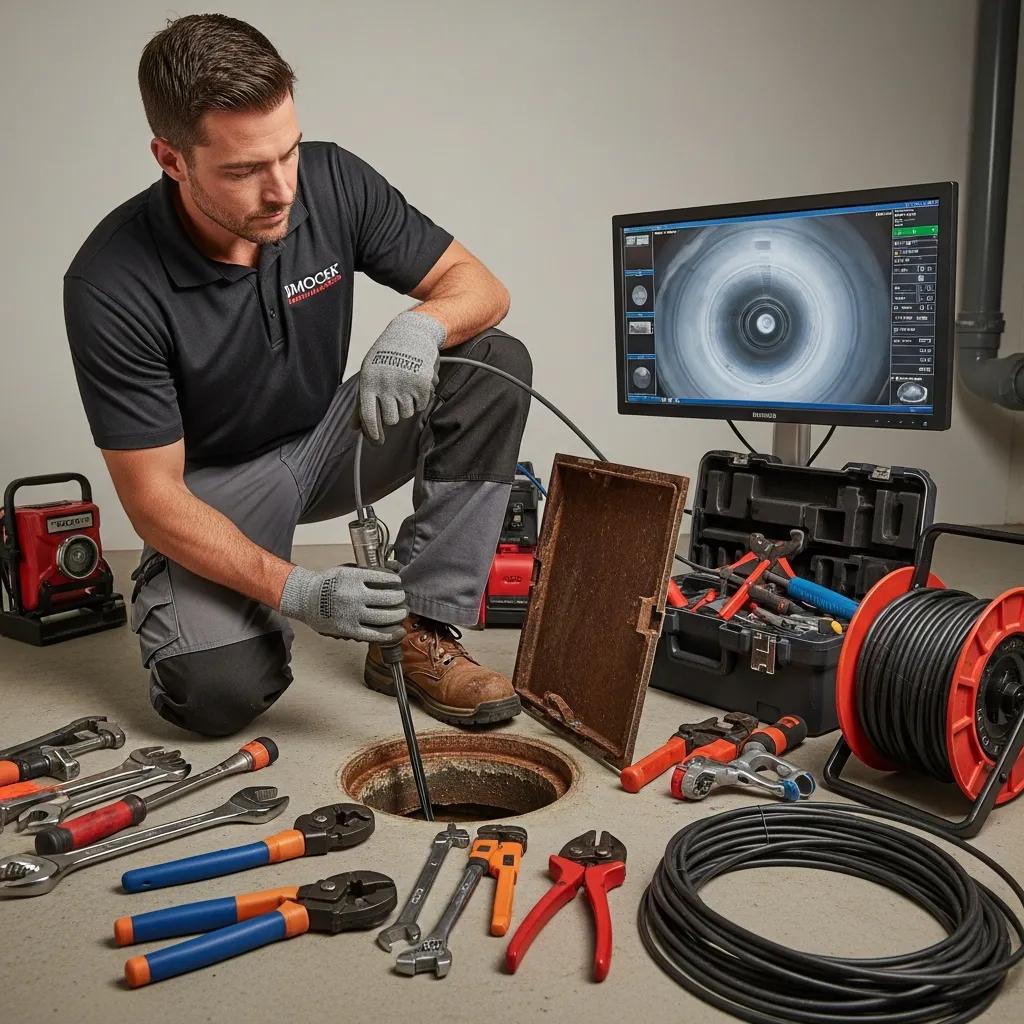
Regular maintenance is the most reliable way to avoid expensive, uninsured repairs. Catching small issues early prevents them from becoming major problems that insurers are likely to deny.
How Does Drain Jetting and Sewer Camera Inspection Prevent Clogs?
Hydro jetting uses high-pressure water to remove grease, scale, and debris, while sewer camera inspections let a technician see inside pipes to spot cracks, root intrusion, or blockages. Both services help identify and fix problems before they cause backups or damage.
Recommended Maintenance Schedule for Orlando Homeowners
To keep plumbing healthy in Orlando, consider this schedule:
- Annual Inspections: Have a pro inspect your plumbing system once a year.
- Regular Drain Cleaning: Schedule professional drain cleaning every 1–2 years to prevent buildup.
- Seasonal Checks: Inspect drains and outdoor drainage before hurricane season and after major storms.
Following a maintenance routine reduces the chance of surprises and helps support claims if damage does occur.
What Are Your Options When Insurance Does Not Cover Clogged Drain Repairs?
If your policy won’t cover a clogged drain repair, you still have several practical options to handle the repair and reduce future risk.
How Brightwater Plumbing Supports Emergency Drain Repair Services
Brightwater Plumbing provides emergency drain repairs and routine services to get Orlando homeowners back to normal fast. With over 25 years of experience, our technicians handle everything from drain jetting to sewer repairs and offer solutions designed to prevent repeat problems.
Understanding Transparent Pricing and 24/7 Service Availability
We believe in clear, upfront pricing—no hidden fees—and 24/7 availability so you can get help when a problem can’t wait. That combination gives homeowners confidence during emergencies and clarity about repair costs.
The table above shows common preventative services and why regular care matters for your plumbing’s long-term health.
Knowing how insurance treats clogged drains—and taking sensible maintenance steps—helps homeowners protect their property and avoid unexpected repair bills.
Frequently Asked Questions
What should I do if my clogged drain causes water damage?
Document everything: take photos, note dates and times, and keep receipts for any emergency work. Contact your insurance company to report the damage and be ready to explain how it happened. Have a professional plumber inspect the issue—an expert report can help support a claim if the damage wasn’t caused by neglect.
Are there any insurance policies that specifically cover drain clogs?
Standard homeowners policies usually exclude clogs as maintenance issues, but some insurers offer endorsements or riders for water backup or sewer problems. Talk with your agent about available add-ons if you want coverage for drain or sewer-related incidents.
How can I prevent clogged drains in my home?
Prevent clogs by keeping grease, coffee grounds, and non-flushable items out of drains. Use sink strainers, perform simple DIY cleanings with baking soda and vinegar occasionally, and schedule professional cleaning and camera inspections as recommended to catch buildup early.
What are the signs that my drains may be clogged?
Watch for slow draining, gurgling noises from pipes, unpleasant odors, or water pooling around fixtures. Those are early warning signs—address them promptly to avoid bigger problems.
How does local weather in Orlando affect my plumbing system?
Orlando’s heavy rains and hurricane season can overload drainage systems and increase the risk of backups. Hard water can also accelerate mineral buildup inside pipes. Be proactive with seasonal checks and routine maintenance to reduce weather-related risks.
What should I look for in a plumbing service for clogged drains?
Choose a company with strong local experience, clear pricing, and emergency availability. Look for positive customer reviews and services like drain jetting and camera inspections that provide long-term solutions, not just quick fixes.
Is it worth investing in water backup coverage?
For many homeowners—especially in flood-prone or heavy-rain areas—water backup coverage is valuable. It helps cover cleanup and repairs from sewage or drain backups that standard policies often exclude. Compare the endorsement cost to potential repair bills to decide if it’s a good fit for your home.
Conclusion
Understanding how homeowners insurance treats clogged drains helps you make better choices about repairs and prevention. While most policies exclude routine clogs, certain sudden water damage events or added endorsements may provide coverage. Regular maintenance, seasonal checks, and working with a trusted local plumber can reduce your risk and give you stronger footing if you need to file a claim. Take proactive steps today to protect your plumbing—and your home.
Get a Free Quote!
Terms and Conditions
Request a Quote
Terms and Conditions
Request a Quote
Terms and Conditions