

Will My Homeowners Insurance Policy Pay for Leak Detection Services?
Looking to protect your home? Learn if your homeowners insurance includes leak detection services and how it can save you from costly repairs.
Free Estimate
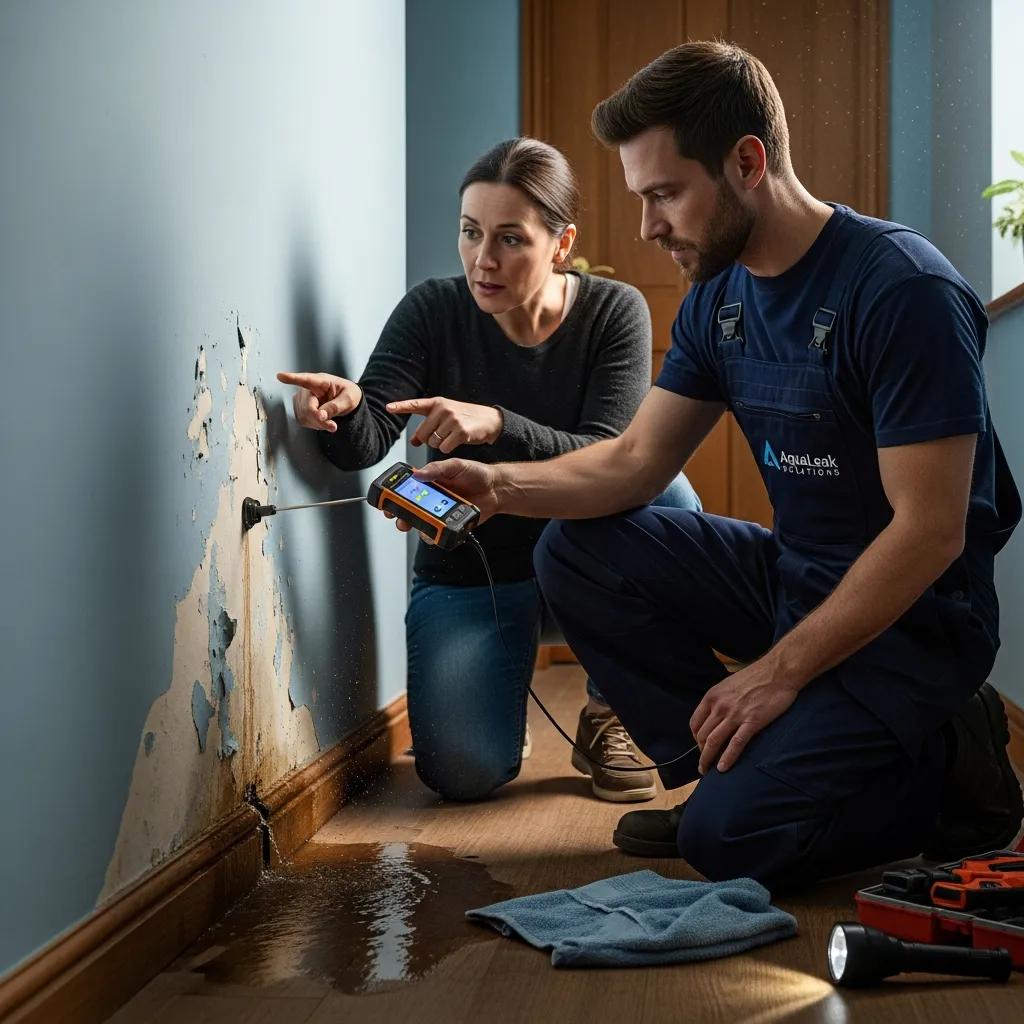
Homeowners often wonder whether insurance will cover the cost to locate a hidden leak. Short answer: sometimes. Coverage depends on what caused the leak, the exact wording of your policy, and how quickly the problem was found and documented. This guide walks through how insurers review leak-detection claims, the key difference between sudden accidents and slow wear-and-tear, and where trace-and-access fits into a claim. You’ll find common scenarios that are usually covered, typical exclusions, and practical steps—what to photograph, what reports to get, and how to mitigate damage to improve your chances with an adjuster. We also cover Florida slab-leak issues, a clear step-by-step claims workflow, and preventive measures that lower risk and simplify future claims. Throughout, we use industry terms like trace-and-access, deductible, sub-limits, and detection methods such as electronic and thermal imaging. Read on for checklists and examples to help when you call a pro or file a claim.
Does Homeowners Insurance Cover Leak Detection Services?
It depends on your policy. Insurers usually approve detection costs when a leak is sudden and accidental, but they typically deny losses tied to long-term seepage or lack of maintenance. Many policies include trace-and-access language that will pay to locate a hidden leak and sometimes cover temporary access work; permanent plumbing replacement or full structural repairs may be handled separately. The deciding factors are how the leak started, the damage you can document, and whether you acted quickly to limit secondary harm. Showing discovery dates, photos, and prompt mitigation raises the likelihood detection fees are covered. Below we break down common covered scenarios, routine exclusions, and provide a compact comparison homeowners can use when preparing a claim.
Quick comparison of leak scenarios and coverage:
That table outlines how carriers often treat different leak types and what documentation helps. The following sections give concrete examples of covered losses and common exclusions so you can better judge your situation.
When Is Leak Detection Covered by Home Insurance?
Leak detection is most likely covered when the incident is sudden and accidental—meaning something unexpected causes immediate, reportable damage. Examples include a pipe bursting from a pressure spike, a frozen pipe cracking, or an appliance suddenly failing and pouring out water. In those cases, insurers frequently approve mitigation and detection costs. To support your claim, document the discovery date, take clear photos, get a written detection report from a licensed plumber, and save any emergency repair receipts.
Quick mitigation—shutting off the water, removing standing water, and taking steps to prevent mold—also strengthens your claim and reduces disputes with the insurer. Next we’ll cover the kinds of leaks insurers usually exclude and how to avoid common denial reasons.
What Types of Leaks Are Typically Excluded from Coverage?
Insurers routinely exclude losses caused by gradual wear-and-tear, lack of maintenance, or neglect because policies aim to cover unexpected events, not ongoing deterioration. Examples often denied include slow leaks from corroded pipes, recurring pinhole leaks in old fittings, and hoses that failed after years of service. To reduce the risk of denial, keep up with regular plumbing inspections, proactively replace aging components, and keep service records that demonstrate reasonable maintenance. If your policy has specific maintenance or exclusion language, review it with your adjuster or a public adjuster—good documentation of upkeep can shift how an insurer views a contested loss.
What Is "Trace and Access" Coverage and How Does It Relate to Leak Detection?
Trace-and-access covers the work needed to find a hidden leak, including diagnostic testing and opening building materials—cutting drywall, lifting floor tiles, or removing small sections of flooring—to expose the source. The goal is to stop further loss and identify the exact failure. Typical trace-and-access benefits cover specialized detection tools and labor to access concealed plumbing, while limits or sub-limits often apply and cosmetic restoration may be capped or excluded.
Common trace-and-access components and how insurers handle them:
That table clarifies what trace-and-access usually pays and where homeowners encounter caps or exclusions. Below we walk through how trace-and-access typically plays out and what to expect when working with adjusters and plumbers.
How Does Trace and Access Coverage Work for Hidden Leaks?
When an insurer approves trace-and-access, the usual process is: a diagnostic inspection, targeted destructive access to reach the source, temporary mitigation to stop the leak, and documentation of damage and repair needs. Insurers often want proof that a hidden leak exists and that invasive access is necessary—so professional detection reports, photos, and time-stamped findings make a big difference.
Always get a written diagnostic report from a licensed plumber that lists the methods used—acoustic listening, electronic detection, thermal imaging, etc.—and includes photos from before and after access.
Clear evidence that access was needed and that loss was contained helps an adjuster approve both the detection work and the access. Next we’ll cover benefits and common limits so you can weigh options before authorizing invasive work.
What Are the Limitations and Benefits of Trace and Access Coverage?
Trace-and-access helps homeowners by paying for expert diagnostics that find concealed leaks without unnecessary demolition. Benefits include stopping ongoing water intrusion faster, creating a professional record for your claim, and often getting temporary repairs in place while permanent fixes are planned.
Limitations include dollar sub-limits (a capped amount for trace work), policies that exclude plumbing repair itself, and the risk of denial if the insurer believes the leak resulted from wear-and-tear. To avoid surprises, get a detailed estimate and discuss possible coverage caps with your adjuster before major access work starts. That way you can decide whether to proceed with invasive detection or try less-destructive options first.
How Do Slab Leaks Affect Homeowners Insurance Coverage in Florida?
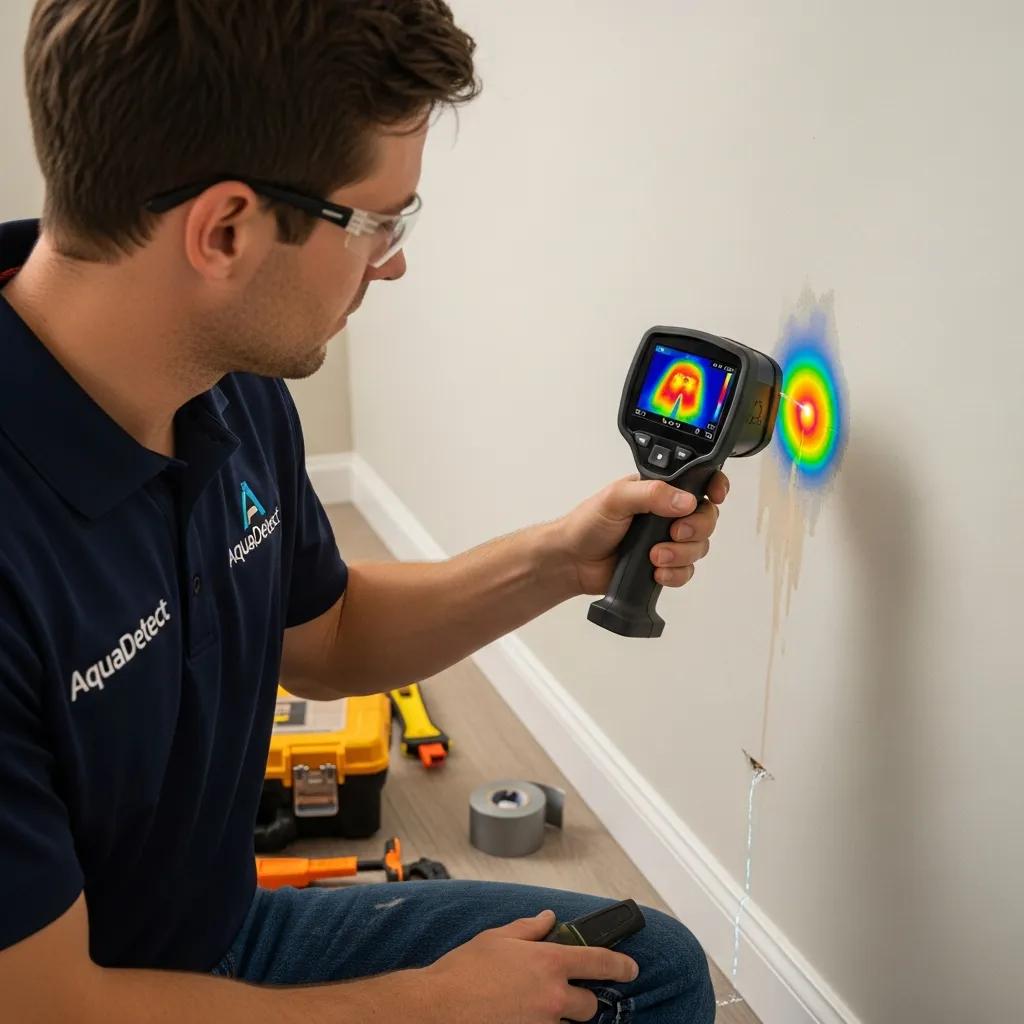
Slab leaks—water escaping from supply lines under a concrete foundation—pose special detection and insurance challenges in Florida. Sandy soils, shifting foundations, and regional plumbing practices make early detection harder here. Slab leaks often show subtle signs like higher water bills or warm spots in the floor and can cause serious structural damage or mold if left unchecked. Because the start date is usually unclear, insurers scrutinize slab claims to decide whether the loss was sudden or the result of long-term deterioration.
Florida homeowners should prioritize early detection, record any unusual readings or observations, and get professional reports that narrow the timeline. The next section explains why slab leaks often trigger disputes and what signs to watch for when assessing coverage.
Why Are Slab Leaks a Unique Challenge for Insurance Claims?
Slab leaks create disputes because their hidden location makes it hard to prove when the leak began—insurers may argue the damage developed slowly over months or years and falls under maintenance exclusions. Detecting slab leaks requires specialized techniques like acoustic listening, electronic detection, tracer gas, or camera inspection; those diagnostics help show whether a failure was sudden or due to corrosion.
Signs such as a fast spike in your water bill, a warm patch in the floor, or unexplained moisture near the foundation can support a claim of sudden failure when documented right away. Getting expert timelines and written findings strengthens your case and helps separate sudden breaks from long-term seepage.
The next section explains how a local plumbing company can document slab leaks and help with insurer communications.
How Can Brightwater Plumbing Help with Slab Leak Detection and Insurance Support?
Brightwater Plumbing provides slab-leak detection tailored to Greater Orlando and Winter Garden. We use electronic leak detection, acoustic listening tools, and thermal imaging to locate hidden leaks precisely. Our standard deliverables include dated photos, a detailed diagnostic report, and recommended mitigation steps you can give to your insurer or adjuster. As a family-owned local company, we focus on quality, fast response, and clear documentation—helping streamline approvals for trace-and-access work and reducing back-and-forth during the claims process.
What Does a Typical Water Leak Insurance Claim Process Involve?
A water-leak claim generally follows a clear sequence: immediate mitigation, thorough documentation, notifying your insurer, professional detection, adjuster inspection, and repair authorization. Acting quickly to stop the leak and preserving evidence matters because timing often determines whether an insurer treats the loss as sudden or gradual. Use a short checklist—photos, time-stamped diagnostic reports, receipts for emergency mitigation, and a clear repair estimate from a licensed contractor—to support your claim. Below is a practical workflow you can adapt when you start a claim, followed by a table that maps each step to helpful documentation.
Practical claim steps homeowners should follow:
- Stop the Source: Shut off the main water or isolate the affected fixture to prevent more damage.
- Mitigate Damage: Extract standing water, run dehumidifiers, and make temporary repairs to limit mold and structural harm.
- Document Thoroughly: Take photos and video of all damage, the suspected source, and any actions you take—include timestamps.
- Call a Professional: Hire a licensed plumber for leak detection and request a written diagnostic report.
- Notify Insurer Promptly: Report the loss, share photos, and keep receipts for emergency work.
- Meet the Adjuster: Be there for the walkthrough, present plumber reports, and discuss trace-and-access needs.
- Secure Repair Estimates: Obtain written estimates for temporary and permanent repairs to establish scope and cost.
- Consider a Public Adjuster: If coverage is disputed, a public adjuster can represent your interests and review policy language.
The checklist above helps you prepare for insurer interactions. Below is a table that maps each step to the documentation you should collect and present.
That table helps homeowners coordinate with insurers and contractors and sets clear expectations for the documentation that supports coverage. With this packet ready, you’ll be better prepared for the adjuster visit and can reduce disputes about onset or scope.
Brightwater Plumbing offers local slab and hidden-leak diagnostics, quick emergency response, and documentation packages designed to support claims in Greater Orlando and Winter Garden. Our services combine electronic and thermal detection with clear photographs and written reports you can submit to your adjuster, plus guidance on temporary mitigation to protect the rest of your home.
What Steps Should Homeowners Take After Detecting a Leak?
After you suspect a leak, take immediate mitigation steps, document everything, and get professional diagnostics before doing major repairs. First, shut off the water to stop ongoing loss and reduce secondary damage. Second, photograph the source and all visible impacts—floors, walls, and ceilings—from multiple angles with timestamps. Third, call a licensed plumber for diagnostic testing and keep copies of all reports and emergency receipts. Fourth, notify your insurer and provide the documentation packet. This sequence preserves coverage options and shows you responded reasonably—important points during an adjuster visit.
How to Work with Insurance Adjusters and Public Adjusters for Leak Claims?
When an adjuster visits, be present, hand over the plumber’s report, and explain what mitigation you’ve already completed. Keep your documentation organized—dated photos, the detection report, mitigation receipts, and repair estimates—to make the adjuster’s job straightforward and reduce delays.
If coverage disputes focus on onset or maintenance exclusions, consider hiring a licensed public adjuster who represents homeowners and can interpret policy language and loss chronology. Always keep copies of correspondence and request written reasons for any denials so you can supply more evidence or pursue an appeal. Working closely with your plumber during inspections also improves clarity and can help resolve disagreements faster.
How Can Preventative Leak Detection Protect Your Home and Insurance Policy?
Preventative leak detection lowers the chance of catastrophic loss and reduces the risk of claim denials by showing proactive care. Regular inspections, water sensors, and scheduled plumbing maintenance catch small problems before they become major claims—and insurers look favorably on documented preventive steps when evaluating coverage.
Insurance benefits of early detection include fewer large claims, a documented maintenance history that supports reasonable care, and less exposure to exclusions tied to neglect. The sections below explain insurance-specific advantages of early detection and outline preventive services a local provider can deliver, along with the records those services create for future claims.
What Are the Benefits of Early Leak Detection for Insurance Coverage?
Early detection limits water damage, lowers repair costs, and improves claim outcomes because insurers can see you intervened quickly rather than letting damage accumulate. Documented preventive actions—annual inspections, installed sensors, and maintenance logs—demonstrate reasonable care and can reduce the chance of a denial for negligence. Detecting leaks sooner also shortens the window for mold growth and other secondary losses that complicate claims. Keep inspection records, sensor logs, and service reports to create a clear paper trail that helps speed up adjuster reviews if you file a claim.
What Preventative Leak Detection Services Does Brightwater Plumbing Offer?
Brightwater Plumbing offers preventative plans that include annual system checks, focused diagnostics for high-risk areas like slabs and irrigation lines, and guidance on sensor placement to spot hidden leaks early. Each service comes with a formal report, photos, and a maintenance log you can use as evidence of proactive care when speaking with your insurer.
What Are Common FAQs About Homeowners Insurance and Leak Detection Coverage?
Below are short answers to the questions homeowners ask most often. These quick responses cover typical insurer behavior, examples of covered vs excluded situations, and practical steps to protect coverage so you can act confidently when a leak appears.
Does Homeowners Insurance Cover Pipe Leaks and Water Damage?
Yes—insurers commonly cover pipe leaks and resulting water damage when the loss is sudden and accidental, like a burst pipe or an abrupt appliance failure, and when the homeowner documents and mitigates the damage promptly.
Covered examples include an unexpected water-heater rupture or a sudden pipe split that soaks floors, provided you act quickly to stop the leak and preserve evidence.
Gradual leaks from corrosion or old components are often excluded as maintenance issues. For the best claim outcome, document discovery, hire a licensed plumber for detection, and submit a packet of photos, reports, and receipts with your claim.
Is Leak Detection Covered When Caused by Wear and Tear or Negligence?
No—detection and repair costs are usually not covered when the loss results from wear-and-tear, aging infrastructure, or homeowner neglect. Insurance protects against sudden, accidental events—not routine maintenance failures. Lack of maintenance records can lead to denials. To protect coverage, keep maintenance invoices, replace old hoses and fixtures proactively, and schedule periodic professional inspections—these practices build a record of reasonable care that can help in borderline cases.
- Proactive records: Keep invoices and reports for inspections and repairs.
- Sensor deployment: Install water sensors under sinks, near appliances, and in basements to catch leaks early.
- Licensed professionals: Use licensed plumbers for diagnostics so you have credible, dated documentation.
These three steps reduce risk, support better claim outcomes, and align homeowner actions with insurer expectations for reasonable upkeep.
Frequently Asked Questions
What should I do immediately after discovering a leak?
First, shut off the main water supply to stop further damage. Then document the scene with photos and video, showing the source and affected areas. Next, contact a licensed plumber for professional leak detection. Finally, notify your insurance company as soon as possible and keep records of everything—timing and documentation matter for a successful claim.
How can I strengthen my insurance claim for leak detection costs?
Gather comprehensive documentation: clear photos, a detailed report from a licensed plumber describing cause and extent, and receipts for emergency work. Also keep a timeline of discovery and actions taken to mitigate damage. This evidence shows you acted reasonably and can improve your claim’s chances.
Are there specific leak detection technologies that insurers prefer?
Insurers appreciate precise, documented diagnostics. Common, well-accepted methods include thermal imaging, acoustic listening devices, and tracer gas testing. A professional report that explains the method used and includes dated photos increases credibility with an adjuster.
What are the potential costs associated with leak detection services?
Costs vary by method, complexity, and location. Expect anywhere from about $200 up to $1,000 for professional detection, depending on the tools and time required. Ask for written estimates and make sure the provider is licensed and experienced in leak detection.
How can I prevent future leaks and insurance claims?
Schedule regular plumbing inspections, install water sensors in high‑risk areas, and proactively replace aging pipes and fixtures. Keep detailed maintenance records—these show you exercised reasonable care and can help if you need to file a claim.
What should I know about working with public adjusters for leak claims?
Public adjusters represent homeowners and can be helpful for complex or disputed claims. Verify they’re licensed and have good references. Expect to pay a fee—often a percentage of the claim—so weigh the potential recovery against the cost before hiring one.
Conclusion
Understanding how homeowners insurance treats leak detection makes a big difference when a problem appears. Knowing the difference between sudden and gradual leaks, documenting quickly, and hiring licensed professionals all improve your odds of a favorable claim outcome. If you want help with detection, documentation, or temporary mitigation, reach out to a local provider who can produce the reports adjusters expect and guide you through the process.
Get a Free Quote!
Terms and Conditions
Request a Quote
Terms and Conditions
Request a Quote
Terms and Conditions