

Does Oviedo's Hard Water Wear Out Pipes Faster?
Oviedo's Water Comes From Limestone, and That's Why It's So Hard
Free Estimate
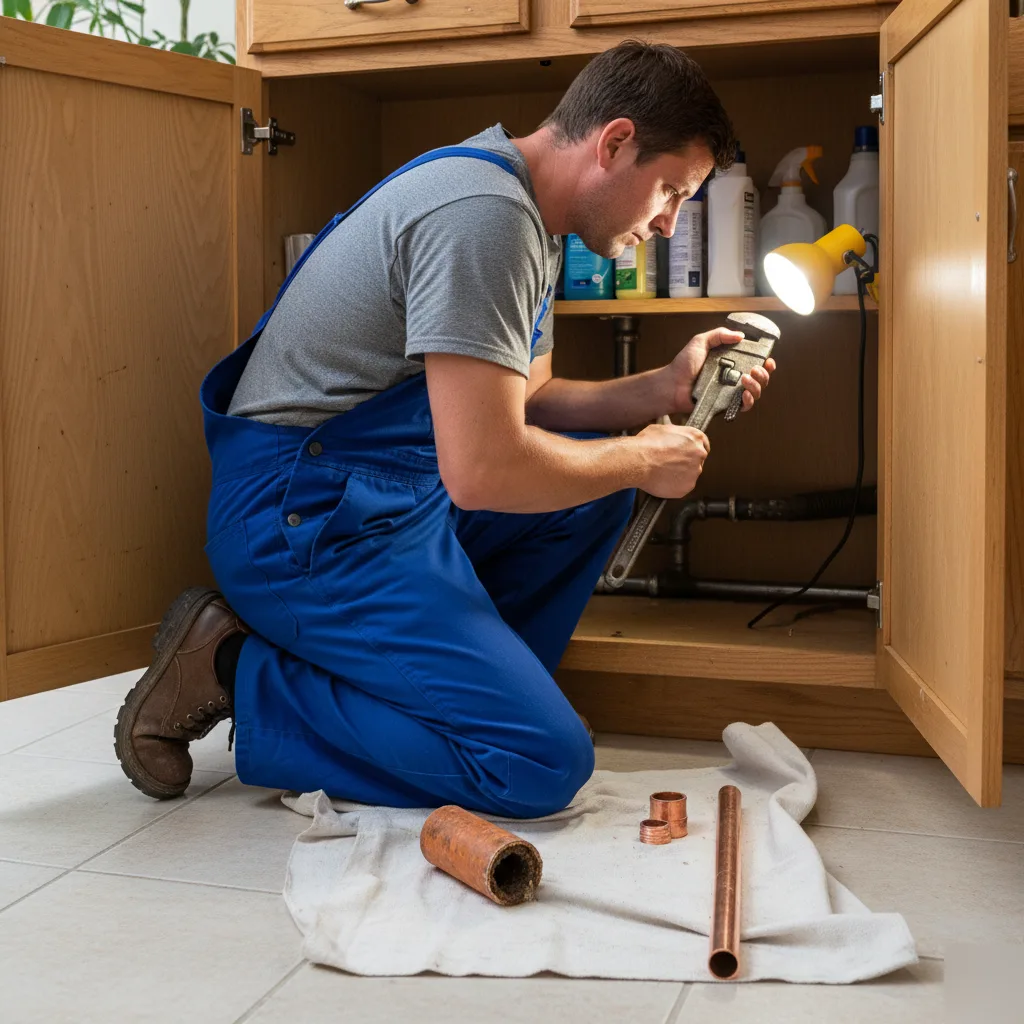
Short answer: yes. Hard water in Oviedo absolutely affects how fast pipes wear out, and when it does, the demand for plumbing repair for Oviedo pipes starts well before most homeowners ever notice a problem — because the reason starts underground before water ever reaches your faucet.
All of Oviedo's drinking water comes from the Floridan Aquifer, a massive system of porous limestone rock sitting beneath most of Florida. As water moves through those layers, it picks up dissolved minerals. Mostly calcium and magnesium. By the time it's pumped to your home in Tuscawilla or Alafaya Woods, it's carrying a heavy mineral load that no amount of municipal treatment fully removes.
The U.S. Geological Survey classifies water above 120 milligrams per liter of calcium carbonate as "very hard." Seminole County's water regularly tests well above that mark. We see it on every service call. White crusty buildup around faucets, cloudy spots on glass shower doors, scale coating the inside of water heater tanks.
That's not a cleaning problem. That's a mineral problem.
What Makes Hard Water a Pipe Problem
Here's what most homeowners don't realize. That same scale you see on your showerhead is forming inside your pipes too. You just can't see it happening.
Over time, mineral deposits narrow the inside diameter of your plumbing. Think of it like cholesterol in an artery, slow, quiet, and it doesn't announce itself until there's a real problem. The buildup restricts flow, puts more pressure on joints and fittings, and creates rough surfaces where corrosion takes hold faster. Copper supply lines get a chalky coating inside. Galvanized steel pipes, still common in older Oviedo homes near Broadway Street, clog up even faster because the zinc lining reacts with the minerals.
Your pipes don't just wear out from age. They wear out from what's flowing through them every day.
It's Not Just Pipes That Suffer
Hard water attacks more than your supply lines. Here's what we see it damage most often:
- Water heater heating elements and tank interiors, where scale acts like insulation and forces the unit to work harder than it should
- Faucet cartridges and valve seats, which get gummed up with mineral buildup and start dripping
- Toilet fill valves, where calcium deposits cause constant running or slow refilling
- Garbage disposal components, where hard water residue combines with food waste to create stubborn clogs
We pulled a water heater from a home in Remington Park not long ago. The tank was only seven years old. The element was coated in over a quarter inch of calcium scale. The homeowner thought the unit was failing. It was, but hard water got it there three or four years early.
A water heater rated for 10 to 12 years might only last 6 or 7 in Oviedo. Same story with faucets, supply lines, and shut-off valves. The minerals shorten everything's lifespan, and most people don't connect the dots until something fails.
You're not stuck with it, though. A water softener installation can reduce the mineral content before it ever enters your plumbing system. That one step slows down scale buildup across every pipe, fixture, and appliance in your home. If you've noticed low water pressure, frequent faucet drips, or a water heater that isn't keeping up like it used to, hard water is probably a factor. Brightwater Plumbing of Oviedo can help you figure out what's going on and what to do about it.
The limestone aquifer isn't going anywhere. Your water will always be hard here. The question is whether you let it quietly work through your plumbing or take steps to slow it down.
Hard Water Builds Scale Inside Pipes, Here's What That Actually Means

You've probably heard the term "hard water" tossed around. But what does it actually do inside your pipes? Here's the short version: minerals in your water stick to the inside walls of your plumbing. Over time, those layers build up. That buildup is called scale.
Scale is mostly calcium and magnesium. These minerals dissolve into groundwater as it moves through limestone underground. Central Florida sits on a massive limestone shelf, so the water here picks up a lot of those minerals before it ever reaches your home.
Think of it like cholesterol in an artery. Slow. Quiet. And it doesn't announce itself until there's a real problem.
What Scale Looks Like Inside Your Plumbing
We pull pipes out of homes in Tuscawilla and Alafaya Woods that are 30 to 35 years old. The inside of a half-inch copper line can look almost completely closed off. That chalky white or yellowish crust is scale. It narrows the pipe opening, roughens the interior surface, and traps sediment that wouldn't stick to a clean pipe. (Most homeowners are genuinely shocked the first time we show them a cross-section, it's not what you picture when you think "plumbing problem.")
Here's what scale does to your plumbing over the years:
- Reduces water pressure by shrinking the space water flows through
- Creates hot spots inside water heaters where the heating element works harder against a mineral layer
- Causes pinhole leaks in copper pipes where mineral deposits create uneven corrosion
- Clogs aerators and valves on faucets and fixtures faster than normal
Most people don't realize this is happening. You turn on the faucet and the water looks fine. But behind the wall, inside the slab, your pipes are slowly losing capacity.
Why Oviedo Homes Get Hit Harder
Seminole County's water tests consistently hard. Homes connected to the Oviedo utility system deal with mineral levels that speed up scale formation year after year. And homes out in Chuluota or Geneva running on private wells? Even higher mineral content in many cases, because there's no municipal treatment step to soften the water before it enters the house.
Hot water lines take the worst beating. Heat makes minerals drop out of solution faster, so the pipe running from your water heater to your shower builds scale quicker than a cold supply line. We see this pattern on nearly every plumbing leak detection call where the leak traces back to a corroded hot water line.
A homeowner near Oviedo on the Park called us because their upstairs shower pressure had dropped to almost nothing. No visible leak. No broken valve. The pipe feeding that bathroom had narrowed to about a quarter of its original diameter from scale buildup alone, and that pipe was only 15 years old.
Pipe wear from hard water is real, and in this part of Central Florida it's the biggest factor we see on service calls. The minerals don't take a day off. They build a little more every day your water runs.
If you're curious about what's happening inside your own pipes, a sewer camera inspection or a plumbing leak detection visit can show you exactly where things stand. Brightwater Plumbing of Oviedo can walk you through what we find and what makes sense for your home. Sometimes the answer is a water softener installation to slow things down. Sometimes it's a repiping service to replace lines that are already too far gone. Either way, knowing beats guessing.
Pipe Material Matters, Galvanized Steel and Copper React Differently to Hard Water
Not all pipes wear out the same way. The material running through your walls decides how hard water does its damage, how fast you'll notice, and what kind of fix you'll need down the road.
We see this play out every week across Oviedo.
Galvanized Steel, The Fastest to Fail

Galvanized steel pipes were standard in homes built before the mid-1970s. You'll find them in older parts of Oviedo near Broadway Street and in historic Sanford neighborhoods. These pipes have a zinc coating on the inside meant to prevent rust. Hard water eats through that zinc layer faster than soft water would. Once the zinc is gone, bare steel corrodes from the inside out.
Here's what happens in a hard water area like Seminole County. Calcium and magnesium minerals bond to the rough interior surface of galvanized pipe. That mineral layer traps moisture against the steel. Corrosion speeds up underneath. The pipe narrows, water pressure drops, and rust flakes break loose into your tap water.
We pulled a section of galvanized supply line from a 1960s home in Alafaya Woods. The inside diameter had shrunk from three-quarters of an inch to barely a quarter inch. The homeowner thought it was a water pressure problem from the city. It wasn't. It was decades of hard water scale choking the pipe closed.
If your home still has galvanized steel, hard water is actively shortening its remaining life. A repiping service is the long-term answer.
Copper, Slower Damage, Still Real
Copper pipes handle hard water better than galvanized steel. They don't rust. But they're not immune to hard water, and you'd be wrong to assume copper pipes last forever around here.
Hard water causes two problems in copper lines over time:
- Scale buildup narrows the pipe opening, reducing flow just like it does in galvanized lines
- Mineral deposits create small pockets where pinhole leaks develop, especially at joints and elbows
- Hot water lines suffer worse because heat speeds up mineral bonding to the copper surface
Most homes in Tuscawilla and Remington Park were built in the 1980s and 1990s with copper supply lines. Those pipes are now 30 to 40 years old. Hard water has been working on them the entire time. We run into pinhole leaks in these neighborhoods regularly, often behind walls where you don't see the damage until drywall is already stained.
Copper lasts longer than galvanized in hard water conditions. But "longer" doesn't mean forever, it means you get more warning signs before a full failure.
CPVC and PEX, A Different Story
Newer homes in communities like Oviedo on the Park often use CPVC or PEX plastic supply lines. These materials don't corrode from hard water minerals the way metals do. Scale can still build up inside them, but it doesn't cause the same structural breakdown. So if your home was built after 2000 with plastic lines, hard water is less of a pipe-life concern and more of an appliance-life concern.
Your water heater, faucets, and fixtures still take the hit. A water softener installation protects everything in the system, pipes included.
Don't know what your pipes are made of? That's common. Most people don't. A quick plumbing leak detection visit can tell you what's in your walls and whether hard water has already started doing damage. If you're in an older Oviedo neighborhood, it's worth finding out before a small problem turns into a big repair.
Get a Free Quote!
Terms and Conditions
Request a Quote
Terms and Conditions
Request a Quote
Terms and Conditions