

Spot Repair or Full Pipe Replacement? Oviedo Plumbing Guide
What a Spot Repair and a Full Pipe Replacement Actually Mean
Free Estimate
Before you make any decisions, here's the short version. A spot repair fixes one small section of a pipe. We cut out the damaged part, replace it, and reconnect everything. The rest of your plumbing stays untouched.
Full pipe replacement is one of the larger jobs we handle for plumbing pipe repair in Oviedo. It means pulling an entire pipe run and installing new pipe from end to end. Sometimes that's a single drain line. Sometimes it's a whole-home repipe where we swap out every supply line in the house.
How a Spot Repair Works

Think of it like patching a fence. One board is rotten, so you pull it and nail in a new one. The rest of the fence is fine. Spot repairs work the same way. We find the exact point of failure, access it through a wall or by digging down to it, and replace just that section. Most of the time, we're done in a few hours.
We see spot repairs a lot in Orlando homes where a single joint has corroded or a tree root has cracked into one spot on a sewer line. The pipe on either side still looks solid on camera. No reason to tear everything out for one bad section.
Here's what makes a pipe a good candidate for a spot repair:
- The damage is in one isolated area, not spread across the line
- The rest of the pipe shows solid wall thickness on a sewer camera inspection
- The pipe material still has useful life left
- There's no history of repeated leaks or backups in other spots
Most people don't realize a camera inspection tells us almost everything we need to know. We run the camera through the line and can see cracks, root intrusion, belly sags, and corrosion in real time. That footage is what separates a real diagnosis from a guess.
How a Full Pipe Replacement Works
Now picture that same fence, but every other board is warped or cracking. Replacing one board doesn't solve anything. You need a new fence.
In older Orlando neighborhoods, we find homes with galvanized steel supply lines or cast iron drains that have been in the ground for 40 or 50 years. Homes in Tuscawilla and Alafaya Woods are hitting that age now. The pipes weren't bad when they went in. They've just run out of road.
Replacing the whole system might mean a repiping service for your water supply lines, or a complete sewer line repair from the house to the city connection. For sewer work, we often use trenchless methods that pull new pipe through the old one. Less digging, less mess in your yard.
And here's something we run into constantly. A homeowner calls about one leak, we inspect the whole system, and we find three or four other weak spots that haven't failed yet but will. At that point, a spot repair just delays the real fix.
The core difference comes down to scope. Spot repair is a targeted fix for a single problem. Full pipe replacement addresses a system that's failing across multiple points. One saves you time today. The other saves you from calling a plumber every few months.
Both are real solutions. Neither one is automatically better. It depends on what the pipe looks like inside, how old it is, and what the camera shows us. If you're not sure where your pipes stand, our plumbing pipe repair page walks through how we evaluate the whole picture.
Signs That Point Toward a Spot Repair
Not every pipe problem means you need to rip everything out. That's the good news. A lot of the calls we get in Orlando end up being a single trouble spot, not a whole-house situation. Knowing the difference can save you real money and a lot of stress.
A spot repair is the right call when the damage is limited and the rest of your plumbing is still in solid shape. Here's what we look for:
- One isolated leak. If there's a single leak under a slab or in one wall, the problem is usually contained. We see this a lot in Tuscawilla and Alafaya Woods homes built in the 1980s and 1990s where one copper joint fails but the rest of the line looks fine.
- A localized slow drain. One drain backing up doesn't mean your whole sewer line is collapsing. A root intrusion in one spot or a single belly in the pipe can often be fixed without replacing the entire run.
- Visible damage from a specific event. A tree root cracked one section, or a contractor hit a line during a renovation. If the cause is clear and limited, a spot repair handles it.
- Relatively young pipes. Homes with pipes under 25 years old usually don't need full replacement. One bad fitting or a defective joint doesn't mean the whole system is going.
We always confirm with a sewer camera inspection before recommending anything. The camera shows us exactly what's happening inside the pipe, foot by foot. No guessing.
What a Typical Spot Repair Looks Like
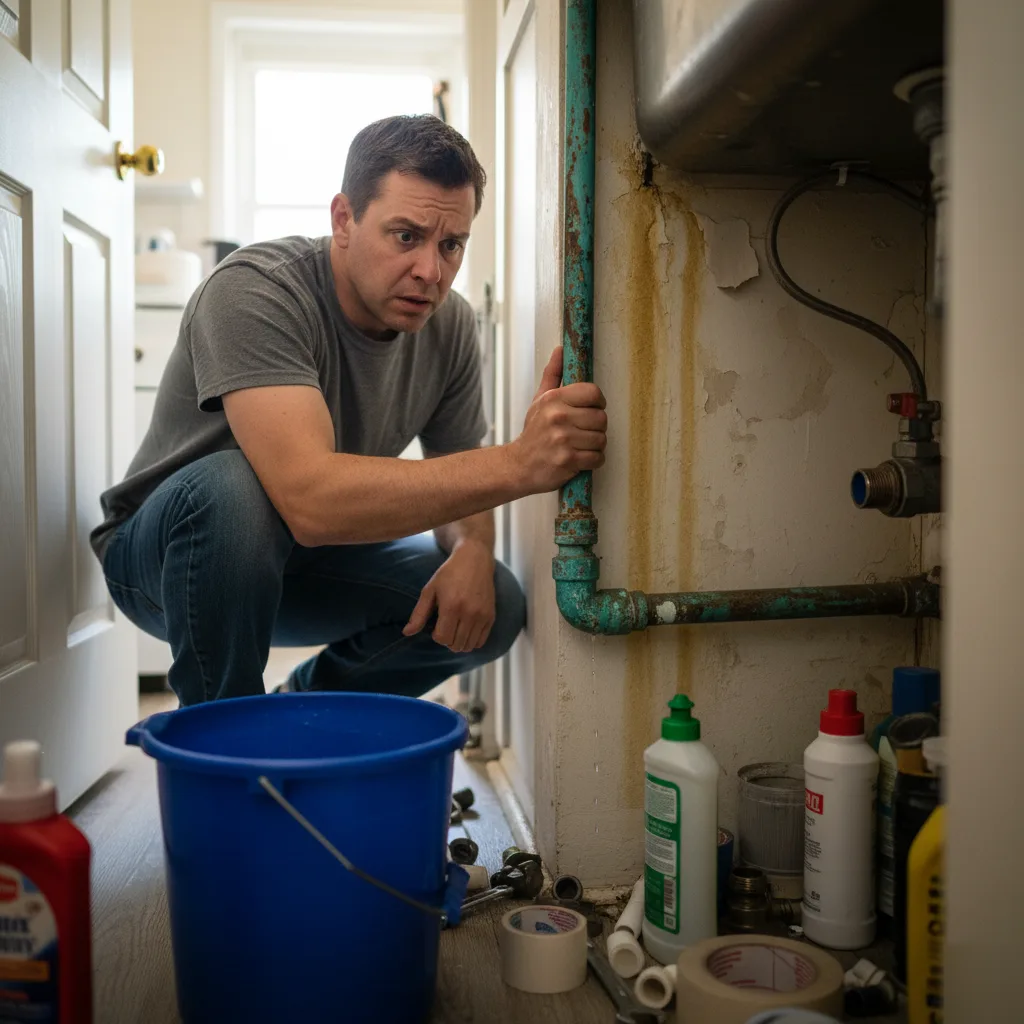
Here's a real scenario. A homeowner near Oviedo on the Park notices a wet patch in the yard that won't dry out. We run the camera through the sewer line and find a four-foot section where a root has cracked the pipe. The rest of the line? Clean. No cracks, no bellies, no buildup.
That's a textbook spot repair.
We dig down to the damaged section, cut out the bad piece, replace it with new pipe, and backfill. The yard gets patched up and we're done. But here's what most people don't realize, a spot repair only works if the surrounding pipe is healthy. If we pull the camera back and see cracks every few feet, scale buildup throughout, or root intrusions in multiple spots, a spot fix is just buying time. You'd be calling us again in six months.
When "Just One Problem" Is Actually a Warning
Sometimes a single leak is the first domino. Orlando's hard water puts constant stress on copper and galvanized pipes. One pinhole leak in a supply line can mean the mineral buildup has thinned the pipe walls throughout, you just haven't seen the next failure yet.
We check the pipe material and age before making any recommendation. Galvanized steel pipes from the 1960s or 1970s? One leak usually means more are coming. A copper line installed in 2005 with one bad solder joint? That's a spot repair all day long.
, a spot repair is the right call about half the time. The other half, it's a waste of your money because the real problem is bigger than that one section. That's why the inspection matters so much. If you're seeing signs of a leak or a drain issue, our plumbing pipe repair team can run a camera and give you a straight answer on what you actually need.
Warning Signs That Replacing the Whole Line Is the Smarter Call
Sometimes a spot repair is just putting a bandage on a bigger problem. We see this a lot in Tuscawilla and Alafaya Woods, where homes built in the 1980s and 1990s are at that age where one fix leads to another. And then another. At some point, you're spending more on patches than replacing the whole line would cost.
So how do you know you've crossed that line?
A few clear warning signs tell us going bigger is the smarter call. If you're seeing more than one of these, it's time to think past a single repair.
- Repeat problems in the same line. If we've fixed the same pipe twice in a year, the pipe itself is failing. Not just one spot.
- Visible corrosion on exposed pipes. Green or white buildup on copper, flaking rust on galvanized steel. These are signs the whole system is breaking down from the inside.
- Discolored water from multiple fixtures. Brown or yellow water at one faucet might be a local issue. Brown water at every tap means the supply lines are corroding throughout.
- Low water pressure that keeps getting worse. Mineral scale from Central Florida's hard water builds up inside older pipes over time, it chokes flow down to a trickle.
- Your home still has galvanized or polybutylene pipes. Both materials have known failure rates. A sewer camera inspection can confirm what's hiding behind the walls.
Here's a real scenario. A homeowner in Orlando calls about a small leak under the kitchen sink. We open the wall and find green, pitted copper that crumbles when you touch it. The leak wasn't a fluke. That pipe was ready to fail in a dozen places. Fixing just that one spot would've bought maybe six months before the next call.
Galvanized steel pipes are even worse. They rust from the inside out. By the time you see the first leak, the interior is already narrowed down to the size of a pencil. Most people don't realize this until we show them the camera footage.
The Age Factor Matters
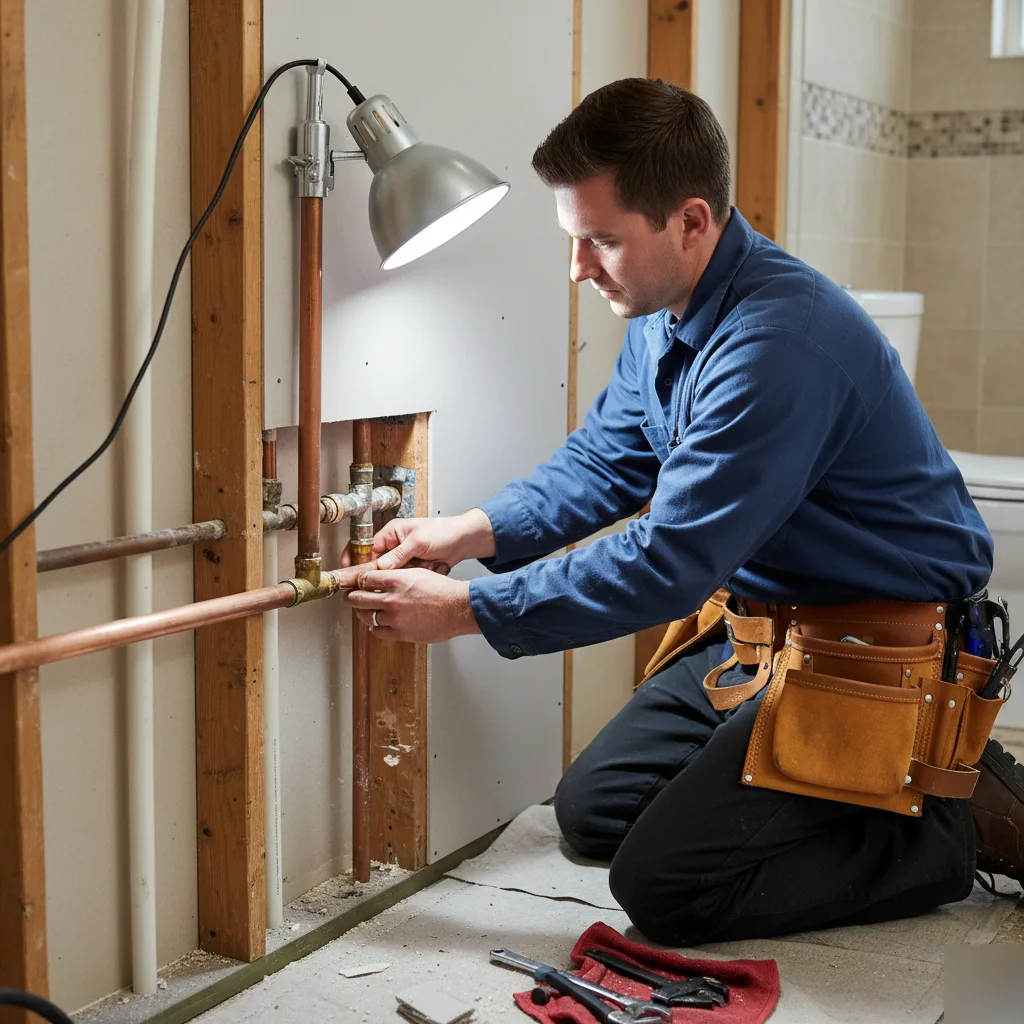
Pipe material has a lifespan. Galvanized steel lasts roughly 40 to 50 years. Copper supply lines last 50 to 70 years under good conditions. But Orlando's water chemistry shortens those numbers. The Environmental Protection Agency notes that corrosive water conditions can speed up pipe degradation well before expected end-of-life.
If your home is 30-plus years old and you're calling for plumbing pipe repair every few months, the math starts to favor a repiping service. One job. One disruption. Done for decades.
And here's something worth knowing. Going with a full replacement adds real value to your home. Buyers and inspectors in neighborhoods like Oviedo on the Park and Waterford Lakes look at pipe material during pre-sale inspections. Old galvanized lines can kill a deal fast.
We always tell people the same thing: if one section of pipe is failing, the rest of that same pipe is the same age, same material, same water running through it. The question isn't whether more spots will fail. It's when.
If any of this sounds familiar, our plumbing pipe repair page walks you through what a full assessment looks like and how we figure out the right fix for your home.
Get a Free Quote!
Terms and Conditions
Request a Quote
Terms and Conditions
Request a Quote
Terms and Conditions