

How Long Does Pipe Repair Take in Oviedo?
Most Pipe Repairs in Oviedo Take Between One Hour and One Full Day
Free Estimate
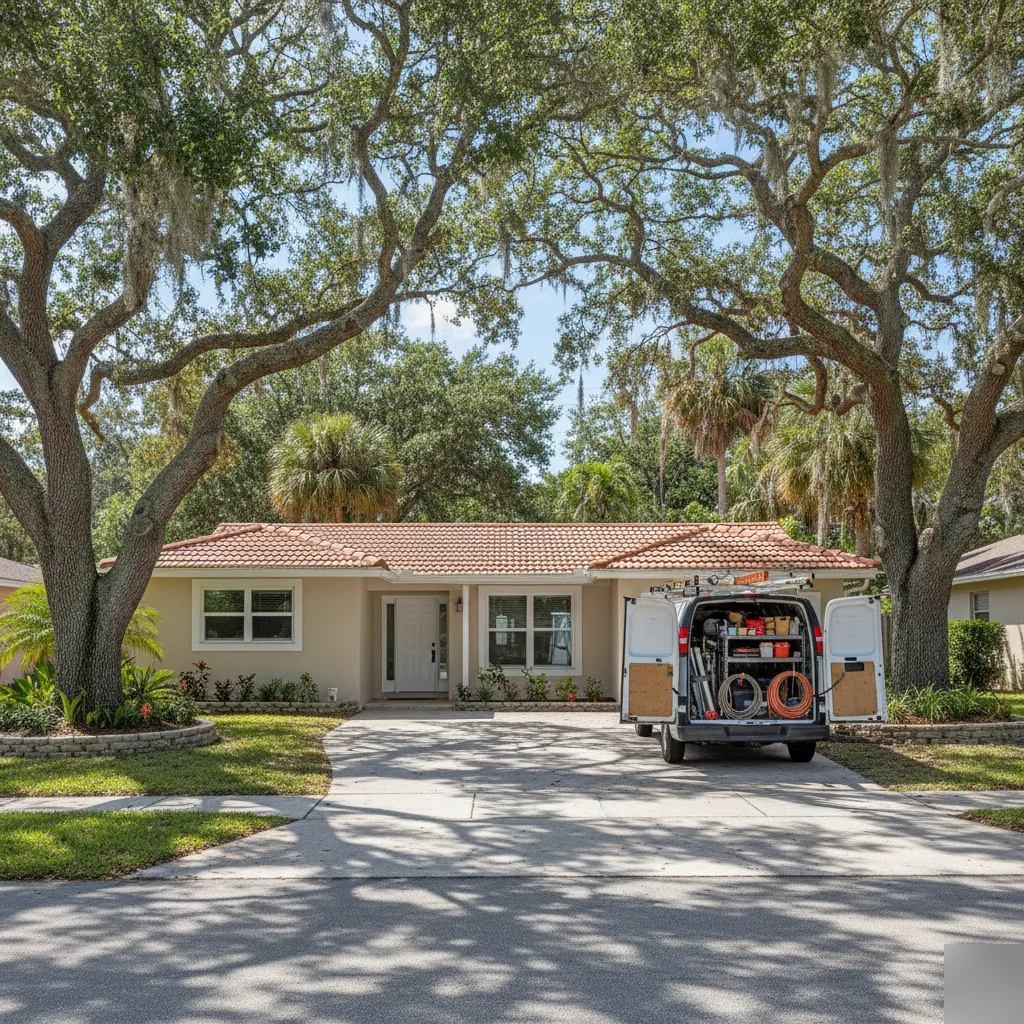
How long does a typical pipe repair take in an Oviedo home? The honest answer is one to eight hours for most jobs. That's a wide range. But pipe repair covers everything from a quick fix on an exposed kitchen line to cutting into a concrete slab in a Tuscawilla ranch home. The type of pipe, where it sits, and what's wrong with it all change the clock.
Here's how we break it down based on what we see in the field every week.
Quick Fixes: One to Two Hours
When it comes to Oviedo plumbing pipe repair, some jobs are straightforward. A leaking joint under a bathroom sink. A cracked section of exposed PVC in a garage. A failed supply line behind a toilet. The pipe is visible, the water shut-off is close, and the repair is simple. Most homes in Oviedo on the Park and Remington Park have accessible plumbing in newer construction, so we can get in and out without pulling anything apart.
We see these calls almost daily.
You notice a drip, you call it in, we fix it before lunch. And, those are our favorite calls, not because they're easy, but because we can actually give you a firm time window when you ask.
Mid-Range Repairs: Two to Four Hours
This is where most pipe repair jobs land. Think of a corroded copper line inside a wall. Or a leaking drain pipe behind a shower in a 1990s Alafaya Woods home. The pipe itself might take 30 minutes to fix, but getting to it takes longer. We have to cut drywall, sometimes move insulation, then test the repair before closing everything back up.
Hard water in Seminole County speeds up corrosion on copper lines faster than most homeowners expect. That means we run into these mid-range repairs more often than plumbers in other parts of the state. The mineral buildup weakens joints and eats through pipe walls over time, and by the time you see water damage on the ceiling, that pipe has been struggling for a while.
Most people are surprised how much of the time goes to access work, not the actual repair.
Longer Jobs: Four to Eight Hours
Slab leaks. Underground supply lines. Pipe repair in tight crawl spaces or under old additions. These jobs take a half day or more. Homes along Broadway Street in historic downtown Oviedo sometimes have original galvanized pipes running under concrete. Getting to them requires plumbing leak detection equipment first, then careful cutting and patching.
And sometimes what looks like a single pipe repair turns into something bigger. We've opened up walls in older homes expecting one bad section and found three feet of corroded pipe that needs replacing. That's not a pitch, it's just what happens with aging plumbing systems.
A few things that push any pipe repair toward the longer end:
- The pipe is under a concrete slab or behind finished walls
- The home's water shut-off valve is stuck or broken
- Multiple sections of pipe show damage once we open things up
- The pipe material is galvanized steel or cast iron, which takes more time to cut and join
Most people don't realize how much the pipe material matters. A PVC repair and a cast iron repair are completely different jobs. PVC glues together in minutes. Cast iron needs special couplings and sometimes a second set of hands.
So what should you plan for? If Brightwater Plumbing of Oviedo can see the pipe and reach it easily, you're looking at a couple of hours or less. If it's hidden behind a wall or under your foundation, block out a half day. We always give you a time estimate before we start so you're not guessing.
If you've got a pipe that's leaking right now, or you've noticed water damage you can't explain, our pipe repair page walks you through what to expect and how to get same-day help.
Pipe Location Is the Biggest Factor in How Long a Repair Takes
A pipe behind your kitchen wall is not the same job as a pipe buried under your concrete slab. Not even close. The single biggest thing that controls how long your pipe repair takes is where the damaged pipe sits inside your home.
We see this play out every week across Oviedo.
An exposed pipe under a bathroom vanity in Tuscawilla might take an hour to cut out and replace. But a supply line buried inside a finished wall in Alafaya Woods? That same repair could stretch to half a day because we need to open drywall, work in a tight space, and then close everything back up properly.
Exposed Pipes vs. Hidden Pipes
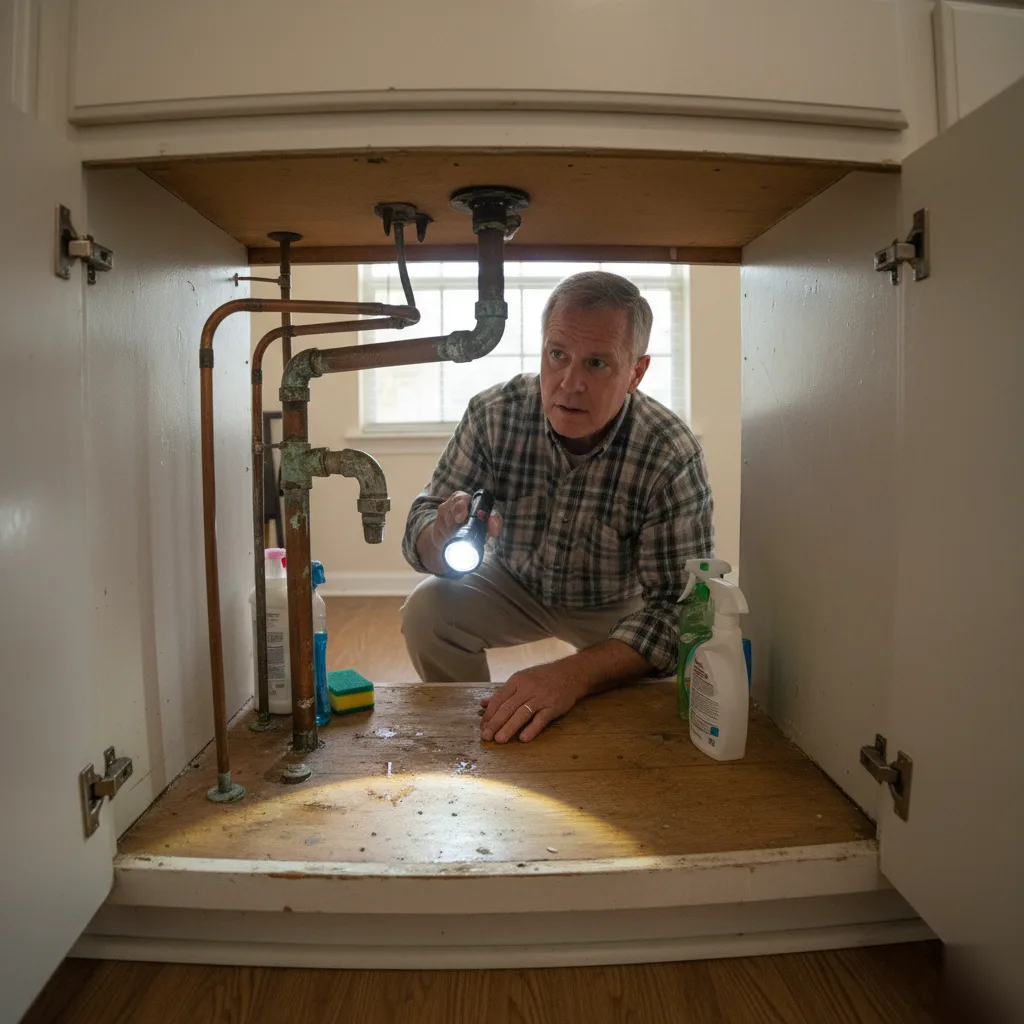
Exposed pipes are the easy ones. These are pipes you can see and touch without tearing anything apart, water lines under your kitchen sink, the drain trap in a bathroom vanity, a pipe running along an unfinished garage wall. For a pipe repair on an exposed section, most jobs wrap up in one to two hours.
Hidden pipes take longer because we have to find them first, then get to them.
That means cutting into drywall, pulling back insulation, or sometimes removing sections of flooring. The pipe repair itself might only take 30 minutes. The access work is what eats the clock. We try to be upfront about that before we start so there are no surprises on your end.
Slab-Embedded Pipes Are a Different Story
Many Oviedo homes sit on concrete slabs. Builders ran copper supply lines and cast iron drains right through that concrete decades ago. If one of those pipes develops a leak, we can't just open a wall panel. We're talking about cutting through your slab to reach the pipe.
A slab pipe repair can take a full day. Sometimes two. Here's what drives that timeline:
- Plumbing leak detection to pinpoint the exact spot before any concrete gets cut
- Concrete removal and debris cleanup around the damaged section
- The actual pipe repair or reroute of the line
- Backfilling, patching, and pressure testing the new connection
Homes built in the 1980s and 1990s along the Tuskawilla Road corridor are prime candidates for slab pipe issues. Those copper lines have been sitting in contact with Seminole County's hard water for 30-plus years, and pinhole leaks are common by now. (We get these calls a lot in summer, when water bills spike and nobody can figure out why until we run the detection equipment.)
Outdoor and Underground Lines
Your water main runs from the city meter to your house, usually buried 12 to 18 inches underground. A water main repair involves digging a trench, locating the break, and replacing the damaged section. Most of these jobs take four to six hours depending on depth and soil conditions.
Sewer lines run even deeper. A sewer line repair in Oviedo typically starts with a sewer camera inspection so exactly what we're dealing with before we dig. Trenchless sewer repair can sometimes cut the timeline down because we don't have to excavate your whole yard. But a traditional sewer line repair with excavation can stretch across a full day or more.
Here's the part most people don't realize until it's too late. The pipe itself is rarely the hard part. Getting to the pipe is. A $40 fitting behind six inches of concrete becomes a much bigger job than that same fitting sitting in plain sight under your sink.
If you're not sure where your problem pipe is, that's exactly why we start with leak detection before quoting any repair timeline. Knowing the pipe's location up front saves you time, money, and surprises. You can learn more about our full pipe repair process on our plumbing pipe repair page.
Pipe Material and Age Affect Repair Scope, Especially in Older Oviedo Neighborhoods
The pipe inside your wall tells us a lot before we even pick up a wrench. Material and age are two of the biggest factors that decide whether a pipe repair takes one hour or half a day. We see this play out every week across Oviedo.
Homes along Broadway Street and in Oviedo's historic district often have galvanized steel or cast iron drain lines. These materials were standard from the 1940s through the 1970s. They've done their job, but decades of Seminole County hard water and shifting soil conditions have taken a real toll. Galvanized pipes corrode from the inside out. By the time you notice low water pressure or rusty water at the faucet, the interior wall of that pipe is already rough and narrowed.
Cutting into corroded galvanized steel takes more time because the fittings seize up, the threads are brittle, and one section of pipe repair can expose problems in the next section down the line.
Cast iron is a different story. It's heavy and tough, but it rusts and cracks after 50-plus years underground. We've pulled cast iron sewer lines from under Alafaya Woods homes that crumble in your hands. A pipe repair on cast iron often means cutting out a section with a snap cutter and joining new PVC with rubber couplings. That process alone can add an hour compared to working with modern materials.
What About Newer Homes?

If your home was built in the 1990s or later, you likely have CPVC or PEX supply lines and PVC drains. These materials are lighter and easier to work with. A pipe repair on PVC or CPVC usually goes faster because the joints are glued or crimped rather than threaded or soldered. Homes in Oviedo on the Park and the newer sections of Remington Park fall into this category.
But PEX and CPVC aren't bulletproof.
CPVC gets brittle over time, especially in attic spaces where Florida heat bakes it year after year. We've seen CPVC snap during a routine pipe repair just from the vibration of cutting nearby. That turns a 90-minute job into a three-hour job because now you're chasing a second break.
Here's a quick look at how pipe material affects your timeline:
- Galvanized steel: corroded fittings and seized threads add 1 to 2 hours to most pipe repair jobs
- Cast iron: heavy, requires special cutting tools, and often reveals hidden damage once opened up
- Copper: soldering takes skill and time, but connections are reliable once done
- CPVC / PVC: fastest to repair with glued joints, though brittle CPVC can surprise you
- PEX: flexible and quick to join with crimp or push fittings, usually the shortest repair window
The age of the home matters just as much as the material. A pipe repair in a 1960s home near downtown Oviedo almost always uncovers something extra. Maybe the shutoff valve is frozen and needs replacing. Maybe the pipe runs through a wall that's been patched three times already. Older homes have layers of previous work, and not all of it was done well.
Most people don't realize this until the wall is open.
That's why we always tell homeowners to expect a range rather than a fixed number. A pipe repair on newer PEX in a 2015 build might wrap up in under two hours. The same type of repair on galvanized pipe in a 1965 home could stretch past four hours once we see what's behind the drywall.
If you're curious about the condition of your pipes before something breaks, a plumbing leak detection visit from Brightwater Plumbing gives you a clear picture. Knowing what you're working with ahead of time saves hours on the day that actually matters.
Get a Free Quote!
Terms and Conditions
Request a Quote
Terms and Conditions
Request a Quote
Terms and Conditions