

What are the indicators that a blockage is far down in the pipes?
Identifying signs of deep pipe blockages is crucial for effective drainage service. Learn how to spot issues early and maintain optimal flow.
Free Estimate
A deep blockage sits in your main sewer line or the lateral that links your house to the city system. Spotting it early lowers health risks and helps avoid costly, unnecessary digging. This guide walks you through the common clues—multiple slow drains, backups in unexpected fixtures, constant gurgling, and sewer smells—and gives practical checks and next steps you can take as a homeowner. You’ll learn why these signs usually point to a main-line clog (not a single fixture), how Central Florida factors like sandy soil and tree roots increase the chance of deep blockages, how a camera inspection pinpoints location and cause, and which professional fixes (hydro-jetting, snaking, trenchless lining, or excavation) match each situation. We’ll also outline safety steps, warning signs that need emergency help, and the diagnostic information plumbers need to provide an accurate repair estimate.
What Are the Most Common Signs of a Main Sewer Line Clog?
Conclusion
Watch for frequent clogs, persistent slow drains, gurgling sounds, and foul odors. Wet spots or pooling water in your yard can also signal a leak or break. The most reliable way to know is a sewer camera inspection, which shows damage, blockages, or structural problems and helps determine whether repair or replacement is required.
A main sewer line clog shows up as system-wide problems rather than a single slow drain. The main lateral carries combined flow from multiple branches, so when it’s restricted you’ll see pressure and flow changes across the house: several drains slow simultaneously, toilets bubble when other fixtures run, or water shows up in floor or yard drains after using plumbing. Recognizing these patterns avoids wasted DIY fixes on individual traps and points you toward focused diagnostics—like finding the cleanout and scheduling a camera inspection. Below are the highest-value signs that suggest a deep obstruction and when it’s time to call a pro.
How can I tell if my sewer line is damaged or needs repair?
Common main sewer line signs include:
Call for emergency plumbing if you have raw sewage inside the home, multiple fixtures backing up at once, or very strong, persistent sewer odors. Large amounts of standing water in your yard or basement also suggest a severe blockage or pipe failure. In these cases, get a licensed emergency plumber to contain the situation and protect occupants and property.
- Several Fixtures Slow or Backed Up at Once: If sinks, tubs, and toilets across the house all slow at the same time, the issue is likely downstream in the main line rather than a single trap.
- Water Appearing in Unexpected Places: Water in floor drains, basement drains, or yard drains after using other fixtures often means flow is being forced into alternate exits because the main is blocked.
- Toilets Bubble When Other Fixtures Run: Air pushed through a partial blockage makes toilets gurgle or bubble when sinks, washers, or showers discharge.
What are the signs that indicate I need emergency plumbing services?
These system-wide clues are strong indicators that you need safe homeowner checks followed by professional imaging to confirm the blockage’s location and cause.
We don’t recommend chemical drain cleaners for deep blockages. They rarely reach the source, can damage older pipes, and pose health and environmental risks. Professional methods—hydro-jetting or mechanical snaking—are safer and far more effective at removing deep obstructions without harming your plumbing.
How Do Multiple Slow or Clogged Drains Indicate a Deep Blockage?
Can I use chemical drain cleaners to resolve deep blockages?
When several drains slow at once, it usually means the problem is downstream because all branch lines feed into the main lateral. A downstream restriction raises backpressure across the network, which is why unrelated fixtures in different rooms can show the same symptom. Do a few safe checks: note which fixtures are affected, inspect the sewer cleanout for visible backup, and stop running water to reduce spread. But once multiple fixtures are involved, avoid aggressive DIY attempts—call a professional. Early pattern recognition speeds up diagnosis and lowers the chance of repeated service visits or needless excavation.
If multiple fixtures are backing up, act quickly. Stop using water in the house, isolate the affected areas to keep people and pets safe, and document which fixtures are involved plus any sounds or smells. Then call a professional plumber—this pattern often means a main-line blockage that needs expert assessment and remediation. Fast action reduces health risks and property damage.
Why Does Water Back Up in Unexpected Places When the Main Line Is Blocked?
What should I do if I notice multiple fixtures backing up?
Flow follows the path of least resistance. If the main line is blocked, wastewater seeks alternate exits and can show up in lower-elevation drains, tubs, or floor drains that normally stay dry. For example, a toilet flush might force water into a shower drain several rooms away when the main can’t take the discharge. These cross-backups are a clear signal of a deep clog and raise contamination risk. When you see this, stop flushing or pouring chemicals—containment and a professional assessment are the right next steps.
For most homes, an inspection every 1–2 years is a good rule of thumb—more often if you live in a problem-prone area like Central Florida or if you notice warning signs such as slow drains, gurgling, or odors. If symptoms appear, schedule an inspection sooner. Regular checks catch small problems before they become expensive emergencies.
How Can Gurgling Sounds and Sewer Odors Reveal Deep Drain Blockages?
How often should I have my sewer lines inspected?
Gurgling noises and sewer smells are useful signals: gurgling comes from air being forced through a partial blockage, and persistent odors usually mean sewage is pooling somewhere or a venting failure exists. Short-lived smells or a single gurgle aren’t as worrying, but ongoing, house-wide gurgling and odors—especially with slow drains—point to a deeper problem that needs camera inspection and professional repair. Paying attention to these patterns helps avoid temporary fixes that only mask the real issue.
There are several practical steps you can take to lower the risk of deep blockages. Schedule regular sewer camera inspections (yearly or every two years), install root barriers or relocate trees away from laterals, and consider water treatment to reduce mineral buildup if hard water is an issue. Be careful about what goes down the drain—avoid grease, large food scraps, and non‑biodegradable items. These simple habits and periodic professional maintenance can save you time, money, and hassle down the road.
Persistent gurgling and odors typically mean:
What preventive measures can homeowners take to avoid deep sewer blockages?
- Air Moving Past a Partial Blockage: Air forced past a restriction causes bubbling or gurgling noises that travel between connected fixtures.
- Sewage Pooling and Foul Smells: When waste can’t flow downstream, bacteria produce gases that escape into the home and create persistent odors.
- Venting or Lateral Failure: Smells near the yard or around vent stacks can indicate a damaged lateral or venting issue, not just a dried-out trap.
Frequently Asked Questions
These cues should steer you toward a video inspection to confirm blockage depth and origin instead of relying on odor eliminators or repeated flushing.
Call emergency plumbing when raw sewage is inside the home, multiple fixtures back up at once, or health and property are at immediate risk. Emergency crews will secure the area, advise on isolation and ventilation, perform temporary bypasses if possible, and run camera inspections as part of triage to plan repairs. If you need urgent containment or mitigation in Winter Garden or the Greater Orlando area, Brightwater Plumbing offers emergency response and can dispatch teams to stabilize the situation. Rapid action limits contamination, reduces damage, and helps ensure repairs are targeted and timely.
What Does Persistent Gurgling from Drains and Toilets Mean?
When Is Emergency Plumbing Service Needed for Deep Pipe Blockages?
Persistent gurgling means trapped air is being forced through a partial obstruction—an indicator that the restriction sits farther down the system rather than in a single trap. The timing of the gurgle—often when a distant fixture runs—helps technicians decide whether to inspect the main lateral or a nearby branch. Note the pattern, stop running other fixtures, and share those observations with your plumber. Frequent gurgling paired with widespread slow drainage is a solid reason to request a camera inspection rather than keep using temporary DIY fixes.
We typically pair jetting with pre- and post-camera inspection to verify cleanliness and document pipe condition. If video shows structural defects or heavy root penetration, jetting may be one part of a combined plan that includes lining or selective excavation.
How Do Foul Sewer Odors Signal a Deep Pipe Blockage?
Hydro-jetting uses high-pressure water to scour pipe walls and dislodge grease, mineral scale, sand, and small root intrusion, restoring near-original diameter and flushing debris downstream. Jetting pressure is adjusted by pipe material and condition so technicians can clear buildup without harming compatible lines.
Foul odors often mean sewage is collecting in the line or venting is compromised. Where the smell appears gives clues: indoor odors near laundry rooms or basements suggest internal pooling, while smells concentrated in the yard near cleanouts or laterals point to an external line issue. Sewage gases are a health concern and can worsen indoor air quality, so persistent smells are more than a nuisance—they’re a safety signal. Document where and when you notice the odor to help technicians select inspection points and decide whether immediate containment is needed.
How Does Drain Jetting Remove Stubborn Deep Blockages?
When Is Raw Sewage Backing Up a Sign of a Serious Deep Pipe Blockage?
Absolutely—if raw sewage is backing up into your home, it’s a clear sign of a major deep-line blockage and requires immediate professional action. Raw sewage contains harmful pathogens and contaminants that need containment, professional removal, and thorough disinfection to prevent illness and mold. The right immediate steps are: stop using water, isolate the affected area, and call an emergency plumbing service to begin mitigation. The short list below shows the immediate actions to protect people and property while you wait for professionals to diagnose and repair the main sewer line.
Comparison of clearing solutions:
Immediate actions when sewage appears:
The best fix depends on the cause and the pipe’s condition. Hydro-jetting (drain jetting) works well for grease, scale, and light root intrusion; mechanical snaking clears localized debris; trenchless lining renews compromised sections without full excavation; and excavation is used for collapsed or severely failed pipes. Matching the solution to the cause saves time and money and avoids treatments that could fail or harm the pipe. The table below compares common solutions, what they’re best for, and expected outcomes to help choose between short-term mitigation and permanent repair.
- Stop Using Water: Don’t run sinks, toilets, or appliances—every drop adds to the problem and can spread contamination.
- Isolate the Area: Keep family and pets away from the affected space and ventilate from safe outdoor areas if possible.
- Call Emergency Help: Contact a licensed emergency plumber to assess, contain, and begin cleanup and repairs.
What Are the Most Effective Solutions for Clearing Deep Drain and Sewer Blockages?
These steps protect health and preserve evidence for an accurate diagnosis. Pros will typically use a camera inspection to locate and document the blockage before recommending a permanent fix.
At Brightwater Plumbing we use camera inspection as the first diagnostic step across Greater Orlando and Winter Garden. Our crews run high-resolution video and use locating sondes to map blockages precisely and document pipe condition so homeowners get transparent repair quotes and prioritized solutions—targeted jetting, trenchless lining, or selective excavation. For local scheduling and support, Brightwater Plumbing operates from 751 Business Park Blvd, Suite 101 in Winter Garden, FL and can be reached at (407) 307-1625. This evidence-based approach reduces disruption and speeds restoration because repairs are chosen from what we actually see on camera, not guesswork.
What Are the Risks of Sewage Backups in Your Home?
How Does Brightwater Plumbing Use Sewer Camera Inspections in Orlando?
Sewage backups carry immediate health risks from bacteria, viruses, and parasites that can cause gastrointestinal and respiratory illness. They also soak building materials, leading to structural damage, ruined insulation, and a high chance of mold growth—issues that make repairs more expensive and involved. Waiting to address a backup can multiply remediation costs and even affect insurance coverage if recommended steps weren’t followed. Fast, professional containment, removal, and documentation reduce long-term costs and protect occupants, which is why early detection and targeted diagnostics like camera inspection matter.
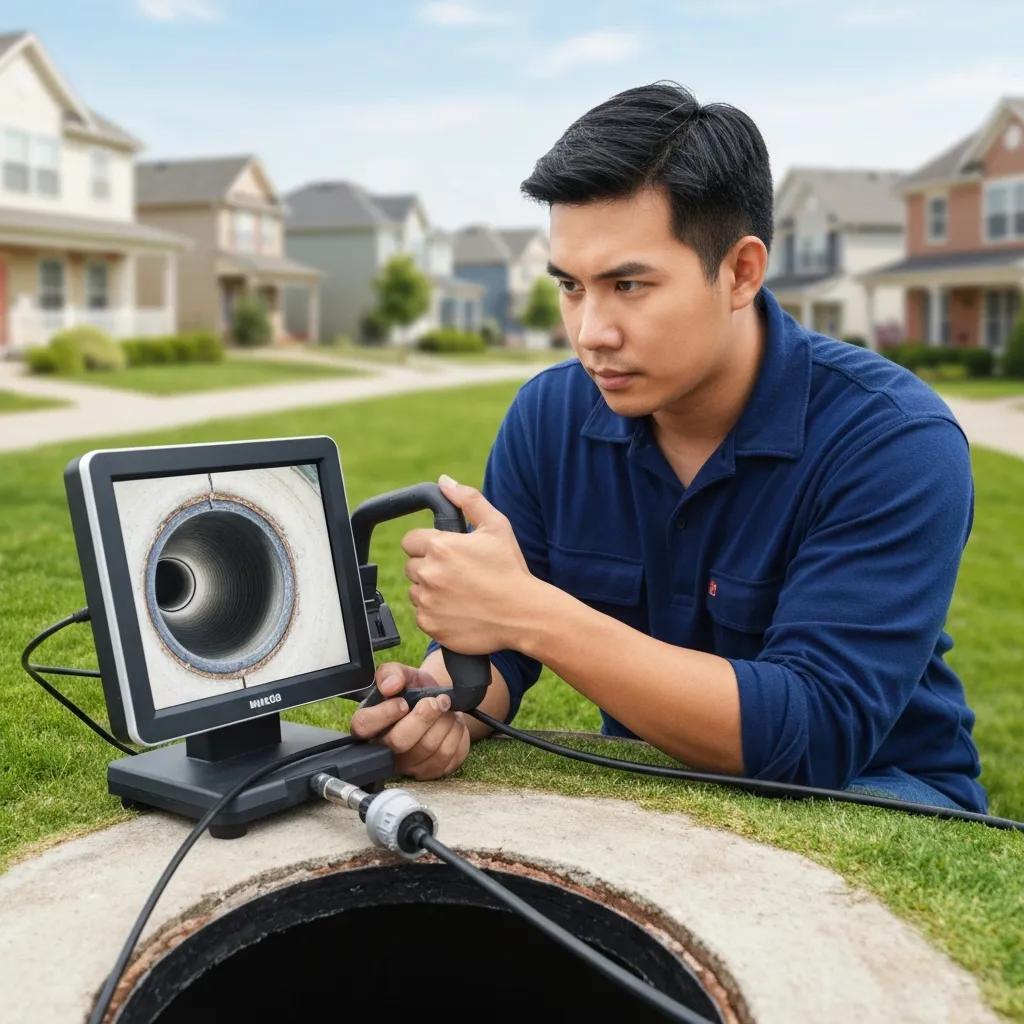
Video inspection is faster and more accurate than guessing: technicians can locate a clog within feet, identify the cause, and size the problem so you get the right repair. Inspections also reveal secondary issues—root regrowth, partial collapse, or scale—that symptoms alone don’t show, helping plan long-term fixes. For homeowners, footage supports clear estimates and comparisons between options like jetting, lining, or excavation. Regular inspections are wise when symptoms return or before major landscaping to avoid surprises and protect expensive trees or driveways.
When Should You Call a Professional Plumber for Sewage Backups?
What Are the Benefits of Video Pipe Inspection for Locating Deep Clogs?
Contact a professional plumber right away if you see visible sewage inside the home, multiple fixtures backing up, or persistent, strong sewer odors that suggest pooling. When you call, be ready to describe which fixtures are affected, whether sewage is visible, and any odors or gurgling patterns you’ve noticed—this helps the dispatcher prioritize an emergency response and advise safe interim steps. Emergency crews will contain the area, perform temporary mitigations (like bypassing flows where possible), and schedule a camera inspection to plan a permanent repair. Brightwater Plumbing offers 24/7 emergency response across Greater Orlando—call us anytime at (407) 307-1625 for immediate containment and diagnosis.
Why Do Deep Blockages Occur Frequently in Central Florida Homes?
Inspection features and results:
Central Florida’s mix of conditions makes deep sewer blockages more common: aggressive tree roots, mineral-heavy hard water that causes scaling, shifting sandy soils that stress joints, and older pipe materials that deteriorate all contribute. Those regional factors mean blockages can form faster and often require yard inspections or camera work to find the cause—roots, scale, collapsed joints, or soil movement. Knowing the likely local causes helps homeowners pick preventive steps—regular inspections, root control, and timely jetting—and choose the best repair approach when problems appear. The table below pairs common local causes with how they contribute and what to do about them.
A sewer camera inspection gives a non-invasive, real-time look inside mains and laterals so technicians can find the exact location, cause, and severity of a blockage without guessing or digging up your yard. Video shows whether the issue is roots, grease, scale, a collapsed section, or a foreign object, and it creates footage technicians use to recommend the best repair—saving time and money over blind excavation. Camera footage also serves as documentation for insurance claims or municipal coordination when public lines are involved. The table below outlines inspection features, benefits, and common use cases to show why video is a cornerstone of modern sewer diagnostics.
Central Florida causes and recommended prevention:
How Does Sewer Camera Inspection Help Diagnose Deep Pipe Blockages?
How Do Tree Roots and Aging Pipes Contribute to Deep Sewer Line Clogs?
Hard water leaves mineral scale inside pipes, shrinking the flow diameter and making grease and sediment stick more easily—over time that narrows the pipe enough to raise blockage risk. Sandy soil can wear pipe exteriors and shift joints after heavy rain or landscaping changes common in Central Florida, which speeds up leaks and sediment ingress. Together, these internal and external stresses show up as slower flow and eventual clogs, which is why regular maintenance—hydro-jetting and periodic camera inspections—helps keep mains clear.
Roots and aging pipes create a familiar failure pattern: roots seek moisture and exploit cracks or loose joints, while older pipe materials (clay, cast iron, early PVC) develop breaks and offsets that let debris in. Signs include root strands in cleanouts, a sudden rise in partial clogs, or visible sagging of yard lines after heavy rain. Prevention can involve root-cutting plus lateral lining or section replacement, and removing problem trees or installing barriers to reduce recurrence. A camera inspection early on clarifies whether root cutting, lining, or selective excavation is the most cost-effective repair.
What Role Does Hard Water and Sandy Soil Play in Deep Pipe Blockages?
Assessing Sewer Network Performance and Blockage Indicators
Sewer pipe systems should run with minimal interruptions. Random, recurring failures from blockages significantly increase operation and maintenance costs and can cause sewage backups or flooded basements. Continuous performance assessment helps deliver expected service levels at an acceptable cost. This study analyzes blockage proneness using data from the Swedish Water and Wastewater Association's benchmarking system and draws strategic inferences about factors that influence blockages. Results show medium-sized municipalities may experience roughly 30% more blockages per kilometer per year than other municipalities, and the study proposes hypotheses about explanatory factors.
Performance assessment of Swedish sewer pipe networks using pipe blockage and other associated performance indicators, E Okwori, 2020
Knowing the signs of a deep sewer blockage helps you protect your home and avoid costly repairs. When you spot system-wide symptoms—multiple slow drains, gurgling, or persistent sewer odors—take quick action: stop using water, isolate affected areas, and contact a professional for a camera inspection. Accurate diagnosis leads to the most effective, cost-conscious repairs. For expert help with sewer issues in the Greater Orlando area, reach out to Brightwater Plumbing—we’re here to assess, contain, and restore your system.
Get a Free Quote!
Terms and Conditions
Request a Quote
Terms and Conditions
Request a Quote
Terms and Conditions