

What’s the Typical Price Range for Professional Leak Detection Services in Orlando?
Get the best insight on affordable leak detection services. Learn about price ranges and effective solutions that fit your budget while protecting your home.
Free Estimate

Hidden water leaks are one of those problems that get expensive fast if you wait. Knowing typical local price ranges for leak detection helps Orlando homeowners act quickly and choose the right service. This guide breaks down common cost bands by leak type (slab, wall, underground, pool, and gas), explains the main factors that move prices, and compares non‑invasive versus invasive approaches. You’ll also see how diagnostic fees are usually structured, how tools like acoustic sensors and thermal cameras affect price, and why finding a leak early cuts overall repair and remediation costs. Along the way we’ll explain Brightwater Plumbing of Orlando’s approach to clear estimates and finish with focused answers to common questions about slab detection, emergency fees, and insurance.
How Much Does Professional Leak Detection Cost in Orlando?
In Orlando, leak detection can be as simple as a modest diagnostic visit or as involved as a multi‑tool investigation that runs into the high hundreds. A basic diagnostic typically covers pressure checks and a visual assessment, while more complex work—mapping pipe runs, running acoustic passes, or using ground‑penetrating tools—adds time and cost. The biggest local cost drivers are the leak type, how accessible the plumbing is (slab versus crawlspace), and which technologies are needed to find the source without unnecessary demolition. Knowing the typical ranges by leak type helps you budget and decide whether to start with a focused diagnostic or authorize a full investigation.
Different leak types need different techniques — and different budgets. The table below summarizes common Orlando ranges and why costs vary.
This side‑by‑side shows why slab and underground leaks are usually pricier: equipment time, site complexity, and the risk of secondary damage push costs up. Next we’ll unpack average tiers and examples that reflect the Orlando market.
What Is the Average Price Range for Leak Detection Services?
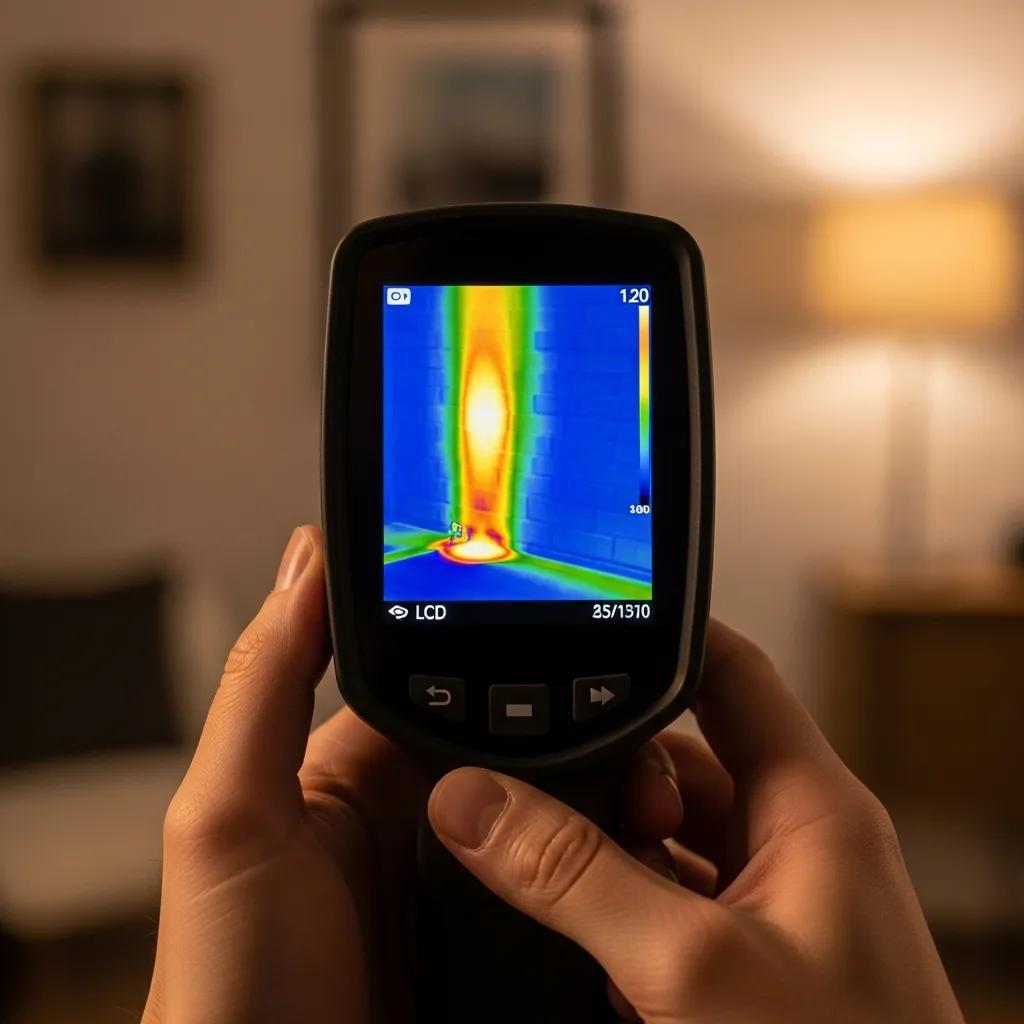
Average pricing falls into three practical tiers: a basic on‑site diagnostic, a standard non‑invasive inspection, and a complex investigation that may combine several technologies or require partial access. A basic diagnostic in Orlando usually starts in the low hundreds and includes pressure testing and a visual check. Standard non‑invasive inspections that use acoustic sensors and thermal imaging sit in the mid range. Complex slab or deep underground cases that need ground‑penetrating radar (GPR) or trenching reach the higher end. Local factors—sandy soils, hard water, and seasonal storm impacts—can increase time on site and push prices higher than in some other regions.
Example scenarios: a visible leak under a sink often closes out after a small diagnostic fee and a quick repair; a suspected slab leak beneath a finished floor typically moves into higher‑cost diagnostic methods. Understanding these tiers helps you choose whether to start with a targeted diagnostic or authorize a full scan.
How Do Different Leak Types Affect Leak Detection Pricing?
Leak type drives the detection plan because each location calls for different tools and access. Slab leaks usually require acoustic listening gear, GPR, and sometimes small slab penetrations—these tools cost more and take longer. Hidden wall leaks are often found with thermal imaging and borescopes; those methods are faster and typically cheaper than slab work but still need careful tracing to avoid unnecessary openings. Underground or mainline leaks may use tracer gas, sewer cameras, or excavation; distance and depth raise the price, though early detection maximizes water savings.
Pool leaks generally need pool‑specific pressure and dye tests plus inspection around fittings and decking; if decking must be removed costs rise. Gas leak detection prioritizes safety with calibrated detectors and added procedures, which can increase time and cost. Knowing how each leak type maps to specific technologies helps you understand pricing trade‑offs between speed, invasiveness, and certainty—with faster detection leading to greater water savings over time.
What Factors Influence the Cost of Leak Detection Services?
Several consistent factors shape pricing: the leak type and location, which detection methods are required, how physically accessible the piping is, whether you need emergency service, and the property’s size and use (residential or commercial). These elements interact—for example, a hard‑to‑reach slab leak that needs multiple acoustic passes and GPR will cost more than a crawlspace leak that a borescope and pressure test can find quickly. Knowing these drivers helps you compare quotes and pick the right level of service.
Below is a quick comparison of common detection methods and how they influence price and results.
Lower‑cost methods are quicker but sometimes less definitive; higher‑cost options give greater accuracy and can prevent unnecessary demolition later. Next we’ll look at how the main factor groups change price.
How Does the Type of Leak Impact Pricing?
The leak’s location is the single biggest factor in price because it determines tools and labor. Slab leaks are pricier to trace non‑invasively—sound through concrete is harder to interpret, so acoustic arrays and GPR are often required. Hidden wall or ceiling leaks are usually faster to find with thermal cameras and moisture meters, so they cost less than slabs. Underground lateral or service‑main leaks may need tracer gas or excavation, and coordinating with utilities or other contractors adds expense. In short, the leak type sets the likely sequence of tests and the expected price bracket.
Picking a targeted approach—start with a non‑invasive scan, for example—lets you balance cost against the risk of missed damage.
What Role Do Detection Methods and Technology Play in Pricing?

The technology you choose affects the upfront fee and the chance of avoiding costly follow‑up work. High‑resolution tools like GPR and tracer gas systems cost more per hour because of the equipment and specialist operators, but they raise first‑time location accuracy. Acoustic sensors and thermal imaging strike a practical balance between cost and accuracy for many Orlando situations—acoustic work is strong for slab and underground leaks; thermal imaging works well for concealed wall or ceiling moisture. Video inspection is cost‑effective for mainline and sewer issues but isn’t always useful for pressurized water lines without proper access.
Spending a bit more on the right diagnostic technology can save money overall by preventing unnecessary wall or slab openings.
How Does Accessibility and Location Affect Leak Detection Costs?
Physical access—crawlspace, attic, finished slab, landscaped yard, or commercial ceiling—affects labor and equipment needs, which changes price. Open crawlspaces or exposed plumbing let technicians work quickly with handheld meters and borescopes, keeping costs down. Dense landscaping, hardscape, or finished indoor surfaces require more careful non‑invasive testing and sometimes partial removal of finishes, which raises the price. Orlando‑specific factors—sandy soils and seasonal saturation—can complicate underground acoustic or GPR work and increase time on site.
Assessing access early helps technicians give a more accurate estimate and prevents surprises from logistics‑related charges.
How Does Emergency Service Availability Influence Pricing?
Emergency leak detection usually costs more because providers prioritize the call, dispatch teams quickly, and may work outside regular hours. Emergency surcharges can be a flat fee or a percentage uplift on the standard diagnostic rate. When a burst or active flooding threatens the property, immediate response is often worth the extra cost because rapid location and isolation limit water damage and mold. For slow or contained leaks, scheduling during normal hours typically lowers the price without added risk. Weigh the emergency fee against the potential cost of secondary damage when deciding on urgent service.
Homeowners should consider urgency and the likelihood of additional damage before requesting immediate dispatch.
Does Property Size and Type Affect Leak Detection Prices?
Yes. Property size and whether the site is residential or commercial change pricing through inspection time and plumbing complexity. Larger homes and commercial buildings have longer pipe runs, multiple zones, and more possible leak points, which extend diagnostic time and may lead to hourly or tiered pricing. Residential work often uses flat diagnostic fees or standard packages; commercial jobs usually get custom scopes and estimates based on square footage, system complexity, and access logistics. Defining the property type and scale early helps providers give quotes that better match the final invoice.
Accurate up‑front assessments reduce the risk of surprise charges when complex systems require additional testing.
What Is Included in a Professional Leak Detection Service?
A full leak detection service typically includes an initial consultation and visual assessment, the appropriate diagnostic tests, a clear report with mapped leak locations, and a repair estimate or recommended next steps. Typical deliverables are the leak location, documentation (photos and readings), and a repair or remediation estimate; many companies will credit the diagnostic fee toward repairs if they perform the work. The real value is precise locating that minimizes demolition and provides useful documentation for insurance claims. Knowing what’s included helps you compare providers on the same terms.
Common inclusions you should expect from a professional inspection:
- A documented visual inspection and symptom assessment that narrows the likely leak area.
- Use of suitable non‑invasive tools (acoustic sensors, thermal cameras, borescopes) to pinpoint the leak.
- A written report with photos, location notes, and a repair estimate or next steps.
- Advice on immediate mitigation (shutoff, temporary containment) and tips for insurance documentation.
This checklist makes it easier to compare scope and value. Next, we’ll explain the main detection techniques used during an inspection.
What Detection Techniques Are Used During a Leak Inspection?
Technicians pick techniques based on the leak type and access: acoustic sensors for slab and underground leaks, thermal imaging for hidden wall or ceiling moisture, borescopes for visual checks behind finishes, tracer gas for deep or complex underground lines, and video pipe inspection for sewer and mainline faults. Each method balances invasiveness, speed, and confidence: acoustic and tracer gas work well for tough slab or underground cases; thermal imaging gives quick clues in finished interiors; borescopes provide visual confirmation without large openings. Starting with non‑invasive scans and escalating only as needed reduces unnecessary damage and overall cost.
Using the right combination of techniques increases first‑pass accuracy, which is why many pros use a layered approach.
Are Diagnostic Fees and Estimates Part of the Service Cost?
Yes. Diagnostic fees typically cover technician time, basic instruments, and an initial report; they may be a standalone charge or credited toward repairs if the same company does the work. In Orlando, expect basic diagnostic fees in the lower‑to‑mid hundreds, with higher fees when advanced tools like GPR are required. Reputable providers will state whether the diagnostic fee applies to repair invoices—ask this up front to avoid surprises. Clear policies on fee crediting and what the diagnostic includes make it easier to compare offers and decide who should perform both detection and repair.
Knowing the diagnostic policy ahead of time smooths scheduling and helps you choose the right contractor.
How Do Repair Costs Relate to Leak Detection Pricing?
Leak detection is a diagnostic service; repair costs are separate and depend on what the detection uncovers. Accurate, timely detection often reduces overall repair costs by targeting the exact failure and avoiding unnecessary demolition. Delayed detection can multiply costs through secondary damage like mold remediation or structural repairs. Typical repair drivers include repair type (pipe replacement, slab patching, wall repair), materials, and the amount of restoration work needed. Understanding likely repair ranges helps you budget and see the value of professional detection.
The table below compares common repair types with typical ranges and how early detection affects cost.
This shows that while detection adds an upfront cost, its savings in repair scope and avoided secondary damage often make it worthwhile. Next, we’ll outline typical repair ranges and the direct savings from early detection.
What Are Typical Repair Costs After Leak Detection?
Repair costs range from small accessible pipe fixes to major slab or foundation work. Accessible pipe repairs and minor wall patches are commonly in the low hundreds to low thousands, while slab repairs and full slab replacement can become far more expensive. Pool and underground service repairs fall in the mid‑ to high‑range depending on access and restoration needs. The leak location and repair plan determine whether cosmetic finish work dominates the final bill. Acting quickly after detection usually avoids mold abatement and structural repairs that significantly increase costs.
Knowing typical repair ranges helps you prioritize mitigation and compare repair estimates once the leak is located.
How Can Early Leak Detection Save Money on Repairs?
Finding a leak early keeps the repair footprint small, shortens water exposure time, and reduces the chance of secondary problems like mold, rot, or structural damage—often the biggest portion of total loss. For example, catching a slow slab leak early can mean a spot slab patch instead of a full slab replacement or extensive mold remediation. Early detection also reduces downtime, simplifies insurance claims, and keeps restoration limited to surface repairs rather than major rebuilds. In many cases the savings from a smaller repair and avoided remediation exceed the diagnostic fee.
Acting quickly preserves home value and limits disruption—good reasons to call a professional as soon as you notice symptoms.
Why Choose Brightwater Plumbing for Leak Detection in Orlando?
Brightwater Plumbing of Orlando is a family‑owned local company based in Winter Garden. We focus on clear pricing, non‑invasive detection, and customer satisfaction. Our team uses advanced electronic detection equipment for hidden leaks, including slab‑leak tools, and we aim to keep diagnostic policies straightforward and fair. As a local provider we prioritize prompt, reliable service and minimizing disruption during detection and repair. If you want a nearby team that combines non‑invasive technology with transparent estimates and a practical plan, Brightwater Plumbing is ready to help Orlando homeowners.
How Does Brightwater Plumbing’s Experience Affect Service Quality and Pricing?
Our local experience helps technicians interpret Orlando‑specific signals—sandy soil acoustics, hard‑water wear, and seasonal storm effects—that influence detection strategy and repair recommendations. Experienced techs can often reduce on‑site time by choosing the best initial tests, which lowers overall diagnostic and repair costs by avoiding unnecessary escalation. Familiarity with Central Florida leak patterns leads to quicker diagnostics and actionable mitigation advice, helping homeowners get accurate estimates sooner. That efficiency often translates into cost savings versus providers unfamiliar with local conditions.
Local knowledge plus methodical detection leads to faster, more accurate outcomes for homeowners.
What Technologies and Guarantees Does Brightwater Plumbing Offer?
Brightwater Plumbing uses advanced electronic detection tools for hidden leaks and leans on non‑invasive methods whenever possible to protect floors and finishes. We pair detection work with clear reports and repair estimates, and we prioritize customer satisfaction and workmanship. Where applicable, we explain warranty or guarantee terms related to our detection and repair work so homeowners understand their protection. Always ask about diagnostic fee policies and any guarantees on detection accuracy before authorizing work so expectations align.
If you prefer a service centered on non‑invasive detection and straightforward next steps, Brightwater Plumbing of Orlando is a local option to consider.
What Are the Most Common Questions About Leak Detection Costs?
Below are short, practical answers to common homeowner questions about cost, slab detection, emergency pricing, and insurance—designed to help you act with confidence if you suspect a leak.
How Much Does It Cost to Detect a Slab Leak in Orlando?
Slab leak detection in Orlando usually runs about $300 to $900 or more, depending on slab depth, access, and whether tools like GPR or multiple acoustic passes are needed. Slab work costs more because concrete and soil make sound harder to interpret, which can require specialized non‑invasive tools and extra diagnostic time. If diagnostics reveal a repair access point, some providers will credit the diagnostic fee toward repair—confirm that policy before scheduling. Knowing the slab range helps you budget and compare targeted detection quotes.
Are Emergency Leak Detection Services More Expensive?
Yes. Emergency response for active leaks generally includes a surcharge because technicians are dispatched quickly and may work outside normal hours; surcharges are often flat fees or a percentage added to the standard diagnostic rate. Emergency detection is usually worth it when active leakage threatens property, flooring, or structure because rapid location and isolation limit damage and mold growth. For slow or contained leaks, scheduling during regular hours can reduce cost without significant added risk. Homeowners should weigh the urgency against potential secondary damage when asking for immediate service.
Does Homeowners Insurance Cover Leak Detection or Repairs?
Insurance varies. Some policies cover detection to locate an insured peril, while preventive diagnostics or cosmetic repairs often are not covered. Insurers typically want documentation—photos, reports, and mitigation steps—so a professional detection report improves the chances of a smooth claim. Contact your insurer to confirm coverage and keep all documentation from the detection work. Timely detection and clear reporting help align repair claims with policy terms and reduce disputes.
For direct local help or to schedule a diagnostic inspection, homeowners in Greater Orlando can call Brightwater Plumbing of Orlando at (407) 307-1625 or visit our Winter Garden office at 751 Business Park Blvd, Suite 101. We emphasize clear estimates and non‑invasive detection where possible, and we can advise on next steps and emergency response for urgent leaks.
Frequently Asked Questions
What are the signs that indicate a leak in my home?
Watch for higher‑than‑usual water bills, damp spots on walls or ceilings, visible mold, the sound of running water when nothing is on, pooled water where it shouldn’t be, or a persistent musty odor. If you notice any of these, contact a professional leak detection service quickly to avoid bigger damage and higher repair bills.
How can I choose the right leak detection service?
Look for experience, positive reviews, and clear explanations of methods and pricing. Choose providers who use non‑invasive techniques when possible and who offer transparent estimates and references. A reputable company will explain the process, what’s included, and whether diagnostic fees apply to repairs.
What should I expect during a leak detection appointment?
A technician will start with a visual inspection and symptom review, then use tools like acoustic sensors, thermal imaging, or video inspection to locate the leak. They’ll document findings and give a report with the leak location and recommended repairs. Appointments typically last from one to several hours depending on complexity and access.
Are there preventative measures I can take to avoid leaks?
Yes. Regularly inspect fixtures and appliances, replace old hoses and fittings, insulate exposed pipes, and keep drainage around your home functioning. Scheduling routine plumbing checks can catch small issues before they become leaks.
How does the location of my home affect leak detection costs?
Location matters: access and soil conditions influence the work. Sandy soils, complicated landscaping, finished basements, or long pipe runs can require more time and equipment, increasing cost. Knowing these local factors helps you budget accurately.
What are the potential consequences of ignoring a leak?
Ignoring a leak can cause structural damage, mold growth, and higher water bills. Over time moisture weakens building materials and raises restoration costs. Early detection and repair are key to avoiding expensive, disruptive repairs and health risks from mold.
Can I get a quote for leak detection services over the phone?
You can get a rough estimate by phone, but accurate pricing usually requires an on‑site assessment because leak type, access, and required technology vary. Schedule a professional inspection to get a detailed and reliable quote.
Conclusion
Knowing typical price ranges for leak detection in Orlando helps you make faster, smarter decisions that can save time and money. By understanding the main cost drivers—leak type, access, and the detection methods—you can choose the right diagnostic path. Brightwater Plumbing offers local expertise, clear estimates, and a focus on non‑invasive detection. For a thorough inspection and a transparent repair plan, contact us today.
Get a Free Quote!
Terms and Conditions
Request a Quote
Terms and Conditions
Request a Quote
Terms and Conditions