

Which Plumbing Issues Are Usually Excluded from Homeowners Insurance?
Ensure your home stays dry and safe with our expert leak detection services. Identify plumbing issues early to prevent costly damage and stress.
Free Estimate
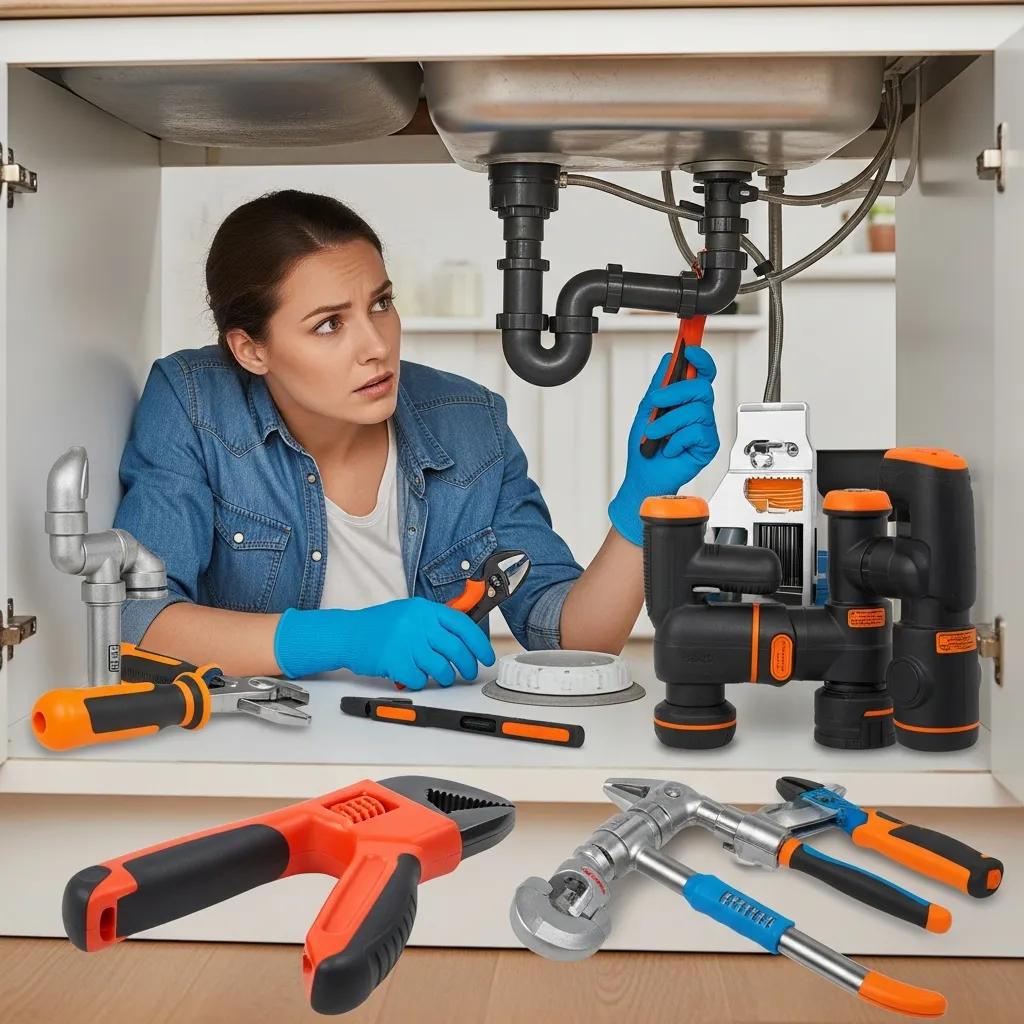
It’s easy to assume every plumbing problem is covered by homeowners insurance — and that misunderstanding can lead to costly surprises. This guide breaks down the difference between sudden, accidental water damage that insurers often cover and slow, maintenance-related failures they usually don’t. You’ll learn which plumbing events typically support a water damage insurance claim, which problems insurers expect homeowners to handle, and practical steps to document and limit denials. We cover common exclusions like slow leaks and wear and tear, sewer backups and sump pump failures, mold from long-term neglect, and damage caused by aging or incorrectly installed pipes. We also explain what to do when a leak appears, how to collect evidence for a claim, and preventative plumbing steps that reduce the risk of exclusions. Finally, we highlight local considerations for Orlando and when a licensed local plumber can help with emergency mitigation, leak detection, and insurer-ready repair estimates.
What Plumbing Problems Does Homeowners Insurance Usually Cover?
Most policies cover sudden, accidental water damage — the kind of event that happens without warning. Insurers typically pay for the damage water causes to your home and belongings (drywall, flooring, furniture), not necessarily the repair to the broken pipe or appliance that caused it. Common examples insurers respond to are a burst supply line, an appliance that suddenly fails and floods a room, or an unexpected pipe rupture that soaks floors and walls. Coverage for repairs to the structure and contents is subject to your policy limits and deductible; repairing the source may be excluded unless your policy includes a specific endorsement.
Knowing the resulting-damage versus source-repair distinction helps you act fast and document the loss so the carrier can evaluate a water damage insurance claim properly. Below we define “sudden and accidental” and explain how insurers separate resulting damage from source damage.
What Is Sudden and Accidental Water Damage in Plumbing?
“Sudden and accidental” refers to a clear, unexpected failure that immediately releases water into your home — not something that built up over months. Examples include a pipe that freezes and bursts in a cold snap, a supply line that snaps under a sink, or a washer hose that pops off and floods the laundry room. Insurers treat these abrupt events as potential claim triggers because they weren’t the result of long-term neglect. The faster you document the timeline and your mitigation steps, the better the chance the loss is handled as sudden rather than wear and tear.
How Does Insurance Differentiate Between Resulting Damage and Source Damage?
Insurers distinguish resulting damage (the visible harm to walls, floors, and belongings) from source damage (the broken pipe, failed fitting, or appliance that let the water out). Policies commonly cover cleanup, repairs, and replacement costs tied to the resulting damage, while the cost to replace the faulty pipe or appliance itself is often excluded unless a special endorsement applies.
To strengthen a claim, document both the visible damage and any evidence that the incident happened suddenly — photos, timestamps, and a professional assessment can make that difference.
Which Common Plumbing Issues Are Excluded from Homeowners Insurance?

Insurers usually exclude losses caused by gradual wear and tear, poor maintenance, and known pre-existing problems — essentially failures the homeowner could have prevented. Typical exclusions include slow leaks that develop over months, corroded or failing pipe materials, DIY or improper installations, and sewer backups or sump pump failures without a specific rider. Mold that grows from long-term leaks and damage from flooding or earth movement are also handled under different coverages. Understanding these categories helps you focus on inspections, timely repairs, and optional endorsements that reduce financial risk.
Below is a quick reference showing common issues, how insurers generally view them, and what homeowners should do.
This snapshot shows typical carrier positions and quick homeowner steps; the sections that follow explain each exclusion in plain terms.
Why Are Gradual Leaks and Wear and Tear Not Covered?
Gradual leaks and wear and tear are usually the homeowner’s responsibility because they develop over time and are considered preventable. Examples include a slow drip behind a wall, mineral corrosion that eats away a pipe, or seals that fail slowly — problems insurers expect owners to catch and fix. Because carriers view these as maintenance issues, both the ongoing leak and the long-term damage it causes are often excluded. Regular inspections, acoustic or electronic leak detection, and clear maintenance records help show you’re proactive and reduce the chance of denial.
How Does Negligence and Lack of Maintenance Affect Insurance Claims?
Insurers look for signs that poor maintenance or neglect contributed to a loss. Evidence might be ignored repair notices, missing maintenance records, or visible long-term deterioration. Examples include not fixing repeated small leaks, leaving a damaged appliance unaddressed, or skipping inspections on an older home. To protect your claim, keep dated records of repairs, receipts, and photos that show you addressed issues promptly — that documentation strengthens a claim for resulting damage.
Are Sewer Line Backups and Sump Pump Overflows Covered by Insurance?
Sewer backups and sump pump failures are often excluded from standard policies unless you buy a specific water backup or sewer rider. These events are common and costly, so carriers typically treat them as separate perils. Backups can stem from municipal problems, blockages, or overwhelmed drains during heavy rain. Orlando homeowners should review their policy language, consider an endorsement for water backup coverage, and invest in local prevention like backflow valves if their home is at risk.
Is Mold Damage from Plumbing Leaks Covered by Home Insurance?
Mold coverage depends on cause and timing. Mold that results from a sudden, accidental water event may be eligible under resulting-damage provisions, while mold that developed from a long-term, unattended leak is often excluded. Insurers evaluate whether the homeowner acted quickly to stop and mitigate the intrusion; documented emergency mitigation and professional remediation improve the chance of coverage. If you suspect mold, arrange inspections and remediation promptly to protect both health and claim evidence.
How Do Old or Defective Pipes Like Galvanized and Polybutylene Affect Coverage?
Aging or known-defective materials — such as corroded galvanized lines or legacy polybutylene pipe — can shift responsibility to the homeowner because insurers view those risks as foreseeable. Policies may exclude failures tied to problematic materials, and some carriers ask for proof of recent upgrades before approving related losses. Consider phased replacements, prioritize inspections of supply and service lines, and keep records of any material upgrades to avoid coverage headaches later.
Does Improper Installation Impact Insurance Coverage for Plumbing Issues?
Yes. If a failure traces back to poor installation or amateur work, insurers can deny the claim because the issue stems from workmanship rather than an accidental event. Proof of licensed installation, permits, and professional inspections strengthens your claim for resulting damage and shows you took reasonable steps to ensure quality work. When you plan plumbing upgrades, hire licensed pros and keep the paperwork — it matters if a future claim arises.
How Can Orlando Homeowners Navigate Plumbing Insurance Claims Effectively?
A calm, documented response right after you find plumbing damage greatly improves the chance of a successful water damage insurance claim. Start with safety and mitigation: stop the water if it’s safe to do so, shut off the main or the affected valve, and do what you can to limit further damage (remove soaked items, ventilate, and dry exposed areas).
Then document everything — photos, videos, timestamps, and receipts — and get a licensed plumber’s assessment or written estimate showing cause and scope. Report the claim to your insurer promptly, share your documentation, and follow their guidance while preserving evidence.
The table below outlines the most useful types of evidence, how to collect them, and why they matter for a claim.
Use this checklist to collect evidence that supports your claim; the sections below spell out the step-by-step actions and when to call a professional.
What Steps Should You Take After Discovering a Plumbing Issue?
When you find a plumbing problem, protect people and property first, then document and call for help. Turn off the water at the nearest valve or the main to stop further flooding. Photograph and video the damage with clear timestamps. Call a licensed plumber for an emergency assessment and request a written estimate to identify the cause. Finally, notify your insurer, share your documentation, and keep copies of every communication.
How Should You Document Plumbing Damage for Insurance Claims?
Good documentation is chronological and organized. Photograph every affected area — wide shots for context and close-ups for detail — and include the plumbing source if visible. Get a written repair estimate from a licensed plumber that states the likely cause (for example, a sudden burst or a slab leak). Keep receipts for any emergency work, drying services, or temporary fixes. Store all records, photos, and messages in a digital folder and a printed backup so you can show exactly what happened and what you did to limit damage.
When Is It Essential to Call a Professional Plumber Like Brightwater Plumbing?
Call a licensed plumber right away for large or uncontrolled leaks, persistent moisture, signs of a slab leak, sewer backups, visible structural damage, or any situation that risks health or safety. A pro provides emergency mitigation, professional leak detection, and insurer-ready repair estimates that carry more weight than amateur assessments. Brightwater Plumbing of Orlando is a family-owned, local team serving the greater Orlando area with 24/7 emergency response, leak detection, water main and pipe repair, drain and sewer services, water heater work, and water purification. Calling a pro early helps preserve evidence, limit secondary damage, and clarify whether the event looks sudden or maintenance-related to your insurer.
What Preventative Plumbing Maintenance Can Help Avoid Insurance Exclusions?

Routine maintenance cuts the chance insurers will label a loss as wear and tear or neglect, and it reduces the size of any water event. Regular inspections, early leak detection, and quick small repairs stop slow problems from turning into large, excluded claims. Follow inspection schedules for supply lines, drains, water heaters, and sump systems, and consider leak detectors or water treatment to extend pipe life. The table below lists helpful maintenance tasks, suggested timing, and how they protect you from excluded claims.
Use this list to prioritize simple tasks that reduce claim exclusions and keep your system healthy. The following sections expand on inspections, quick repairs, and useful insurance riders.
How Do Regular Inspections and Early Leak Detection Protect Your Home?
Regular inspections and early leak detection stop small issues from growing into major failures. Acoustic and electronic leak detection can find slab leaks and hidden supply-line breaches that visual checks miss, letting you fix problems before they cause wide-ranging damage. Early detection reduces the water released, lowers mold risk, and gives you documentation showing you actively managed plumbing risk — all of which helps if you need to file a claim.
Why Is Prompt Repair of Minor Plumbing Issues Important?
Fixing small plumbing problems quickly prevents them from turning into costly, excluded losses. A slowly dripping valve or a corroded joint might seem minor, but over months it can cause hidden rot, mold, or structural damage that insurers may call maintenance-related. Prompt repairs also build a maintenance record that supports claims for resulting damage if a sudden event happens later. In short: quick fixes save money and preserve coverage options.
Should You Consider Optional Insurance Coverages for Plumbing Protection?
Yes — optional riders (water backup, service line, equipment breakdown endorsements) plug gaps in standard policies and can be worth the extra premium for many homes. A water backup rider covers damage from sewer or drain backups that standard policies often exclude; service line protection helps with repairs to utility lines between your house and the street. Orlando homeowners should weigh local risks — older pipes, storm exposure, or flood-prone areas — to decide which riders make sense.
Why Choose Brightwater Plumbing for Plumbing Issues Not Covered by Insurance in Orlando?
Brightwater Plumbing of Orlando is a local partner for homeowners dealing with repairs insurers often exclude. We focus on quick mitigation, accurate diagnosis, and clear, insurer-ready documentation. Based in Winter Garden and serving the greater Orlando area, our team handles emergency repairs, leak detection, water main and pipe work, drain and sewer services, water heaters, and water purification. Our fast response and professional reports help limit damage and support any claim for resulting loss.
How Does Brightwater Plumbing’s Local Expertise Address Orlando’s Unique Plumbing Challenges?
Orlando’s weather, soil, and water chemistry create specific plumbing stresses — hard water mineral buildup, sandy soil that shifts buried lines, and heavy rain events that test drainage. Local experience matters when assessing and fixing these problems. Brightwater offers water purification to combat hard water, targeted leak detection to find buried or slab leaks, and repairs tailored to local conditions. That regional know-how helps homeowners prevent issues and respond quickly when they arise.
What Comprehensive Solutions Does Brightwater Plumbing Offer for Uncovered Plumbing Problems?
When an issue isn’t covered by insurance, homeowners need dependable repairs that stop the problem and reduce repeat failures. Brightwater provides leak detection for hidden or slab leaks, pipe and water main repair and replacement, drain and sewer cleaning, water heater service, and water purification installations. Our emergency response limits resulting damage, and our upgrade work helps reduce future exclusions.
What Do Customers Say About Brightwater Plumbing’s Service for Insurance-Excluded Repairs?
- Key service strengths: Fast emergency response, thorough leak detection, reliable pipe repair, and water heater expertise.
- Local focus: Family-owned and based in Winter Garden, serving the greater Orlando area.
- Customer guidance: Clear, documentation-ready estimates and dependable workmanship.
Those points reflect the practical benefits homeowners see when managing repairs that insurers don’t cover.
Frequently Asked Questions
What should I do if I discover a plumbing issue that may not be covered by insurance?
Put safety first: shut off the water to stop further damage. Photograph and video the problem, then call a licensed plumber for an assessment and a written estimate. Keep records of any past maintenance and repairs — those documents can be important if you file a claim or need to prove you acted responsibly.
How can I prevent plumbing issues that are typically excluded from insurance coverage?
Prevent excluded issues with routine maintenance: get annual inspections, use leak detection services when you suspect a hidden problem, and repair small issues right away. Replace old or defective piping and always use licensed professionals for installations. Keeping a maintenance log and receipts shows you’re proactive and can help if a claim arises.
What types of plumbing maintenance can help reduce insurance claim denials?
Key maintenance that reduces denials includes yearly inspections, prompt repair of minor leaks, regular water heater checks, and seasonal sump pump tests. Installing leak detectors and keeping detailed records — photos, receipts, dates — strengthens your position if you need to file a claim.
Are there specific insurance riders I should consider for plumbing coverage?
Consider riders like water backup (for sewer or drain backups), service line protection (for utility lines), and equipment breakdown endorsements. These add-ons cover common gaps in standard policies. Review your local risks and speak with your agent to decide which riders fit your home.
How can I document plumbing damage effectively for an insurance claim?
Take timestamped photos and videos from different angles, get written estimates from licensed plumbers, and save all receipts for mitigation and repairs. Keep a folder of communications with contractors and your insurer. Organized, dated documentation makes claims clearer and harder to dispute.
What are the signs of plumbing issues that may lead to insurance exclusions?
Watch for persistent leaks, water stains on walls or ceilings, visible pipe corrosion, unexplained spikes in water bills, damp spots on floors, or mold growth. These can indicate long-term problems insurers view as maintenance issues. Address them quickly and document your actions to protect coverage.
Conclusion
Knowing which plumbing issues are typically excluded from homeowners insurance helps you protect your home and budget. Regular maintenance, quick repairs, and solid documentation lower the risk of denials. Consider policy riders where appropriate, and when in doubt, reach out to a licensed local plumber to assess, document, and repair problems before they become costly claims. If you need help in Orlando, contact a trusted local pro for an inspection and insurer-ready estimate.
Get a Free Quote!
Terms and Conditions
Request a Quote
Terms and Conditions
Request a Quote
Terms and Conditions