

Expert Drain Cleaning Solutions
Common items can cause significant toilet damage. Learn how to protect plumbing and ensure efficient drainage service. Speak to the professionals for guidance!
Free Estimate
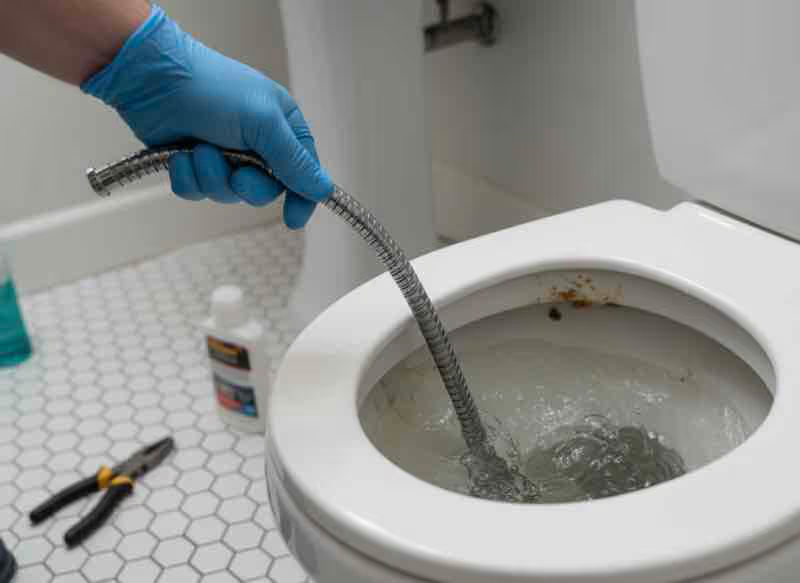
Small choices at the toilet can turn into big plumbing problems. When solids, fibrous materials, or oils enter the bowl they can lodge in the trap or stick to pipe walls, slowing flow and eventually causing backups. This guide points out the biggest offenders, explains how they damage plumbing, and shows the visible signs that a problem is developing so you can avoid costly repairs. You’ll get a clear list of items to avoid, the physical ways they cause clogs (entanglement, expansion, solidifying, mineral buildup), simple homeowner troubleshooting steps, and guidance on when to call a pro. We also cover local Orlando factors—like hard water and sandy soil—that raise clog risk, plus when tools such as snaking, sewer-camera inspection, and hydro-jetting are the right next move. Read on to spot high-risk materials, notice early warning signs, take safe immediate actions if someone flushes the wrong thing, and understand what makes drains in the greater Orlando area more vulnerable.
What Are the Top Items You Should Never Flush Down the Toilet?

Most damaging flushes share one of three traits: they don’t break down, they swell when wet, or they tangle and trap other debris. Those behaviors narrow the pipe and make clogs more likely. Below are the eight worst offenders, with a short reason for each so you and your household can change habits quickly. We’ve followed this with a comparison table that shows how each item behaves in pipes and the safest way to dispose of it.
Common high-risk flushables to avoid:
- Flushable wipes — often made from synthetic fibers that don’t disperse like toilet paper and form lasting clumps.
- Fats, oils, and grease (FOG) — liquids that cool, solidify, and cling to pipe walls.
- Paper towels and napkins — much more absorbent and slower to break up than toilet paper, they pack into dense plugs.
- Feminine hygiene products — designed to expand and stay intact, creating stubborn blockages.
- Dental floss and hair — strong, long fibers that tangle into mats and catch other solids.
- Cat litter — absorbs and swells, forming gritty, abrasive accumulations in traps.
- Medications and chemicals — can harm wastewater biology and sometimes form deposits or react in pipes.
- Cotton swabs and cotton balls — expand and clump, resisting passage through the trap.
The table below compares these items, shows why they’re harmful, how they behave in pipes, and the simplest disposal method to reduce drain damage.
ItemWhy HarmfulHow It Behaves in PipesRecommended DisposalFlushable wipesSynthetic fibers don’t break down like toilet paperBuild up into clumps that snag other debrisThrow in the trash; follow local waste rulesFats, oils, grease (FOG)Liquid when hot, solid at room temperatureCoats pipe walls and narrows flow, trapping solidsCool and scrape into trash; compost where acceptedPaper towels/napkinsHighly absorbent and slow to fragmentSwell and compact into heavy plugsDispose in the trashFeminine hygiene productsDesigned to expand and resist breakdownForm solid plugs that block flowUse a sealed sanitary bin or trashDental floss/hairStrong fibers that tangle easilyCreate nets that trap other debrisThrow away; install hair strainersCat litterAbsorbent and often abrasiveBinds into sediment and can abrade pipesLandfill trash — do not flush, even “flushable” typesMedications/chemicalsMay not break down; can harm wastewater systemsCan crystallize or interfere with septic biologyPharmacy take-back or sealed trashCotton swabs/ballsExpand and cling togetherForm soft but persistent obstructionsDispose in the trash
In short: most offenders either won’t fragment or change state inside pipes (liquid to solid). Stopping them at the source — using a trash can — prevents the entanglement and buildup that lead to drain damage.
Why Are ‘Flushable’ Wipes a Leading Cause of Toilet Drain Damage?
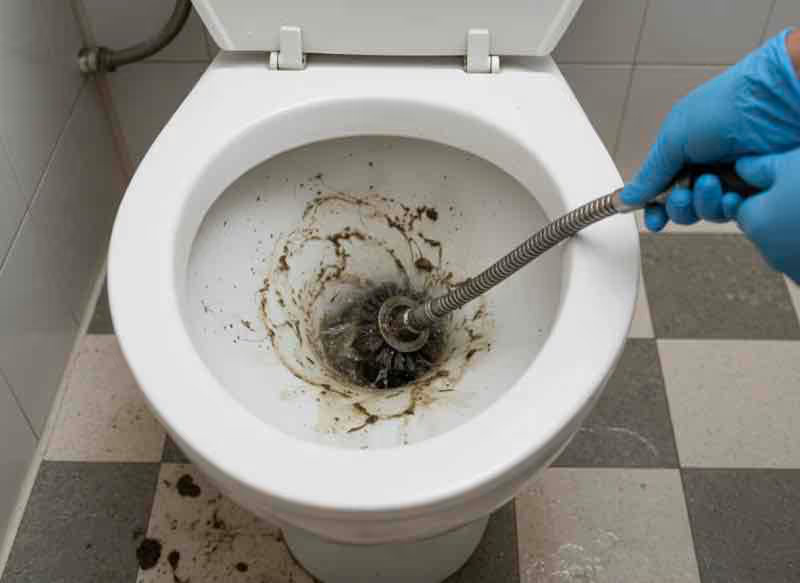
“Flushable” wipes can give a false sense of safety. Many are made from synthetic blends that don’t break down like toilet paper. A wipe can pass the trap initially but then catch on a bend or mix with grease to form a dense, stringy mass. Sewer-camera inspections and municipal reports frequently show wipes as a major component of residential and mainline clogs. Because wipes act as a scaffold for other debris, they make clogs worse and repairs more time-consuming — so the safest choice is to toss them in the trash and keep the toilet for human waste and toilet paper only.
Studies and field reports show non-flushable wipes can snag on sewer imperfections and contribute to blockages.
Wet Wipes and Sewer Blockages: Hydraulic Impacts and Accumulation Risks
This research examines how non-flushable wet wipes interact with sewer flow and imperfections, finding that the likelihood of wipes snagging and forming accumulations varies widely with flow conditions and pipe imperfections. Results highlight how blockages increase upstream water levels and stress sewer systems, underscoring the need for improved wastewater management.
Wipe entanglement ties directly into the next common mechanism of damage: materials that change state inside pipes, like FOG.
How Do Fats, Oils, and Grease Create Blockages in Toilet Drains?
Fats, oils, and grease (FOG) are liquid when hot but solidify as they cool. In pipes they cling to the walls, forming sticky layers that reduce the effective diameter and trap fibers and solids. Over time those layers grow, turning a slow drain into a full backup. FOG also bonds with fibrous items (wipes, hair), creating composite clogs that usually need mechanical removal — hydro-jetting or snaking — to clear. To avoid this, let cooking fats cool, scrape them into the trash, and never pour oil down a drain.
Understanding FOG’s role makes it clear why kitchen habits matter for toilet health and how simple disposal practices stop clogs before they start.
Which Other Common Non-Flushable Items Cause Toilet Drain Clogs?
Beyond the top eight, many everyday bathroom and kitchen discards don’t behave well in toilets because they’re absorbent, tough, or tangle-prone. This section lists other problem items, explains how they differ from toilet paper, and gives quick prevention steps. The sooner you move these items to a trash can and add basic hardware (lidded bathroom bins, hair strainers), the less likely you’ll need a professional service call.
Common additional non-flushable items include:
- Cotton swabs, cotton balls, and cosmetic pads — they expand and clump.
- Chewing gum and sticky candies — stick to pipe surfaces and collect debris.
- Food scraps and fibrous kitchen leftovers — add bulk and mix with FOG.
- Too much toilet paper in one flush — can overwhelm older traps.
- Small toys and child-care items — can get lodged in the trap.
All of these either won’t break into transportable pieces or leave sticky residues that change flow. A lidded trash can in every bathroom and short guest reminders go a long way. And simple hardware — mesh hair strainers in showers and sinks — stops many fibrous materials before they reach the plumbing.
How Do Dental Floss and Hair Form Net-Like Clogs in Pipes?
Dental floss and hair are long, strong fibers that tangle and create mesh-like obstructions. Floss can loop around fittings or debris; hair mats capture soap scum and small particles, building a porous obstruction that keeps growing as it traps other waste. These fiber nets attract wipes, paper scraps, and grease, and usually require mechanical removal. Prevent this by tossing floss and hair in the trash and installing hair traps on drains.
Netting clogs often appear with mineral buildup or grease, so inspections should consider multiple interacting causes.
Why Are Cotton Products and Feminine Hygiene Items Harmful to Toilet Drains?
Cotton products and feminine hygiene items are designed to absorb and hold liquid — great for personal care but bad for pipes. They swell and form compact, waterlogged plugs that resist flow and mechanical agitation. Unlike toilet paper, they don’t fragment, so they can seal the trap or pipe bend and cause backups. The simple fix: keep a sealed sanitary bin in the bathroom and clearly label it for guests or in shared restrooms to reduce accidental flushing.
Their absorbent, expandable nature makes these products incompatible with most household and municipal sewer systems — especially in older pipes.
What Are the Signs of Toilet Drain Damage Caused by Flushed Items?
Spotting early signs of drain damage lets you act before a small slowdown becomes a sewage backup. Common warning signs include slow-draining bowls, gurgling sounds, recurring clogs, stubborn sewage odors, and water backing into other fixtures. These clues help narrow the likely clog location and severity so you can decide whether a homeowner fix is possible or a pro is needed. The list and diagnostic table below help match symptoms to probable causes and immediate steps.
Visible and audible signs to watch for:
- Slow drain — water recedes slowly after flushing, suggesting a partial trap or branch-line blockage.
- Gurgling — trapped air coming through the bowl, indicating downstream resistance or vent trouble.
- Water backup — wastewater returning to the bowl or floor drains, a sign of severe blockage or mainline issues.
- Recurring clogs — repeated plunging that only clears temporarily points to persistent debris or composite obstructions.
- Sewage odors — lingering smells that indicate trapped solids or a compromised sewer connection.
SymptomProbable CausesImmediate ActionSlow drainingPartial clog in the trap or branch line (wipes, towels, FOG)Use a plunger; avoid repeated flushes; check other fixturesGurgling noisesAir trapped by a downstream blockage or a blocked ventStop using affected fixtures; run other drains to see system responseWater backupsMajor obstruction in the main sewer or a large composite clogStop water use across the home; call a professionalRecurring clogsPersistent fibrous or expandable material lodged in pipeAvoid chemical cleaners; document incidents and schedule an inspectionSewage odorsAccumulated organic matter or sewer gas entryVentilate the area; limit use and call a plumber if smells persist
Matching symptoms to likely causes helps determine whether the issue is a local trap, a branch line, or the main sewer — and whether you can safely troubleshoot or should call a professional. One slow toilet that clears with a plunger usually means a local trap problem; backups in multiple fixtures point to a main-line issue that needs pro attention.
How Can Slow Drains, Gurgling Noises, and Water Backups Indicate Damage?
Slow drains usually mean the pipe’s internal diameter is reduced by an obstruction or mineral scale, and they’re often the first sign before a full backup. Gurgling happens when air pockets form because flow is obstructed downstream — the sounds can help localize the restriction. Water backing into bowls or floor drains is a clear red flag for a major blockage or sewer outflow problem that risks property damage and health issues. Try a proper flange plunger and check other fixtures first, and avoid chemical drain cleaners that can worsen pipe conditions.
If plunging doesn’t work or multiple fixtures are affected, professionals will typically use a sewer camera and hydro-jetting to identify and clear the problem safely and effectively.
When Should You Call a Plumber for Toilet Drain Issues in Orlando?
Call a licensed plumber if clogs come back after plunging, if multiple fixtures back up, if sewage odors persist, or if slow drainage continues despite safe DIY steps. Those signs usually mean the blockage or pipe damage is beyond homeowner tools. In the greater Orlando area, pros use camera inspections to pinpoint clogs and hydro-jetting to clear FOG and fibrous masses — solutions that restore flow without unnecessary digging. Brightwater Plumbing of Winter Garden provides video diagnostics, drain jetting, toilet and pipe repair, and emergency service when same-day attention is needed. If you see repeated backups, foul odors, or multiple-fixture involvement, don’t wait — call a professional to avoid bigger damage.
A technician can also recommend a maintenance schedule to limit repeat problems given Orlando’s local conditions.
How Can You Prevent Toilet Drain Blockages and Plumbing Damage?
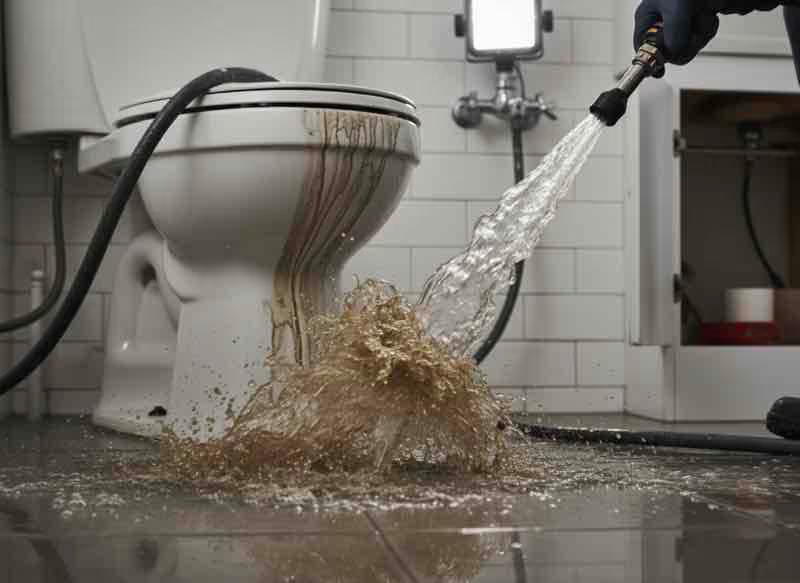
Prevention is mostly about simple habits, a few small hardware upgrades, and routine maintenance. Together these steps cut the chance of clogs and protect pipe health — saving you money and hassle. Below is a practical Do/Don't checklist and maintenance guidance you can use at home, in rentals, or for small businesses that host guests.
Do/Don't checklist for preventing toilet drain damage:
- Do flush only human waste and toilet paper; put everything else in the trash.
- Don’t pour FOG or cooking oils down any drain; let them cool and toss them in the trash.
- Do install marked, lidded trash cans in bathrooms and kitchens to make proper disposal easy.
- Don’t trust “flushable” labels; teach household members and guests what not to flush.
- Do use hair strainers and sink catchers to stop fibrous debris before it reaches the plumbing.
Clear signs, easy-access trash bins, and quick cleanup routines significantly reduce accidental flushing. For shared properties or hospitality settings, short staff training and posted reminders show measurable declines in flush-related incidents. These basic steps interrupt the physical mechanisms — entanglement, expansion, solidifying — that form clogs and cut down emergency calls.
What Are Effective Tips to Avoid Flushing Harmful Items?
Small operational habits and inexpensive hardware solve most flushing problems. Label bathroom bins, use pedal trash cans, and keep a grease jar near the stove so correct disposal is the default behavior. Put polite signs in guest bathrooms listing what not to flush, and provide disposable liners for sanitary bins. In multi-unit buildings, include disposal guidance in welcome materials and do periodic checks to ensure compliance. These actions stop the chain of events — item in toilet → item lodges in trap → item draws in other debris — before it becomes a major repair.
Consistent small actions cost far less than waiting for a clog to become an emergency.
How Does Regular Maintenance Help Protect Your Toilet Drain?
Preventive maintenance catches slow-forming issues — mineral scale, FOG layering, and small fibrous buildups — before they turn into emergencies. Scheduling annual or biannual drain inspections with targeted hydro-jetting can clear early deposits and restore strong flow. Technicians can also run a sewer camera to find hidden problems like root intrusion or failing joints. Brightwater Plumbing offers preventative drain cleaning, video inspections, and tailored maintenance plans to help Orlando homeowners manage hard-water buildup and seasonal stresses before they cause trouble. A regular maintenance plan saves on emergency repairs and keeps pipes working longer.
Combine maintenance with everyday habits for the best, most durable protection against flush-related damage.
How Do Orlando’s Local Conditions Affect Toilet Drain Damage?
Orlando’s local environment — hard water, sandy soils around buried pipes, and heavy seasonal rain — changes clog risk and pipe vulnerability. These factors speed mineral deposits, encourage infiltration, and stress sewer capacity. Knowing how local conditions interact with flushed items helps you choose the right prevention and maintenance schedule. Below we describe common local mechanisms, suggested mitigations for typical pipe materials, and a comparison table that maps each factor to its impact and practical responses.
Orlando-specific factors that increase risk:
- Hard water — encourages calcification on pipe walls, slowly reducing internal diameter.
- Sandy soil — shifting ground can stress pipe joints and create entry points for roots or infiltration.
- Seasonal heavy rains and storms — can overload sewers and make backups more likely during storm events.
Local FactorEffect on PipesRecommended MitigationHard waterMineral (calcite) deposits reduce flow and roughen surfacesConsider water-softening options; schedule professional descaling and periodic jettingSandy soilSoil movement stresses joints and encourages infiltration or collapseInspect buried lines after major storms; consider flexible repair optionsSeasonal heavy rainsHigh flow can push debris into lateral lines and cause surchargeAvoid flushing non-flushables before storm season; keep gutters and drains clear
These local conditions interact with flushed items: mineral scale worsens narrowing caused by FOG and fibrous debris, and overloaded sewers make small obstructions more likely to cause property backups. Timing maintenance after the rainy season and prioritizing jetting in hard-water areas reduces combined risk.
How Does Hard Water Contribute to Mineral Buildup and Clogs?
Hard water contains calcium and magnesium that precipitate as scale on pipe walls. That scale narrows pipes and roughens surfaces where fibers and grease can cling, accelerating obstruction formation. Over time calcification combines with organic deposits, raising the effort needed for mechanical cleaning. Mitigations include household water-softening systems to limit new deposits, routine professional descaling, and scheduled hydro-jetting to remove combined buildup. Addressing hard water in Orlando homes improves the effectiveness of other preventive measures and reduces how often you need pro service.
Reducing mineral buildup makes other preventive steps more effective and lowers the frequency of required interventions.
What Impact Do Seasonal Weather and Pipe Materials Have on Drain Health?
Heavy seasonal rains and storms raise groundwater levels and sewer loads, which can force sediments and debris into lateral connections and expose weaknesses in older pipe materials such as galvanized iron or clay. New PVC lines resist corrosion and root entry better, but transitions between old and new materials create weak spots. After severe weather, check for increased backups or slow drains and consider a camera inspection to find infiltration, root intrusion, or displaced joints. Scheduling preventative inspections after storm seasons helps catch weather-driven problems before they become service interruptions.
Proactive inspection and repairs that account for pipe material cut long-term risk from seasonal and material-based stressors.
What Should You Do If You Accidentally Flush a Non-Flushable Item?
Calm, immediate actions can limit damage after an accidental flush. Stop flushing, assess whether the item can be safely retrieved, and perform a few non-damaging checks before calling a pro. This step-by-step checklist helps homeowners prevent a single mistake from turning into an expensive repair and explains when to escalate to a plumber.
Immediate steps to take after an accidental flush:
- Stop using the toilet and avoid more flushes that push the item farther into the system.
- If you can see and reach the item without sticking your hand in the bowl, put on gloves and remove it, then throw it away.
- Try a proper flange plunger and several firm plunges to dislodge a partial obstruction; don’t use chemical drain cleaners.
- Check other fixtures (sinks, tubs) to see if the problem is affecting more than one drain.
If plunging and a visual check don’t fix it or backups appear in other fixtures, call a professional. Note exactly what was flushed, the symptoms you saw, and the timing — that information helps technicians choose the right tool (snaking, camera inspection, or hydro-jetting) and speed up diagnosis.
How Can Early Signs Help Minimize Plumbing Damage?
Noticing subtle changes — a slower flush or intermittent gurgles — lets you act with low-cost measures before obstructions harden or FOG layers grow. Use a flange plunger, check if only one fixture is affected, and watch for odor changes or repeated clog patterns. Photograph visible issues and record the timeline; that simple documentation helps a plumber diagnose the problem faster and can reduce repair scope. Quick action can prevent a small, mobile obstruction from turning into a fixed mass that needs mechanical removal.
Documenting symptoms and sequence of events improves service efficiency and may limit repairs.
Which Brightwater Plumbing Services Can Resolve Toilet Drain Damage?
When the problem needs a pro, targeted services fix the symptom and the cause: hydro-jetting clears FOG and fibrous masses, sewer-camera inspection locates and characterizes blockages or pipe defects, and toilet or pipe repair restores proper function. Brightwater Plumbing — a family-owned company in Winter Garden serving the greater Orlando area — offers video diagnostics, drain jetting, toilet repair, pipe repair, emergency plumbing, and scheduled maintenance. For persistent backups, a camera inspection pinpoints the obstruction so technicians can choose the least invasive, most effective method — snaking for localized tangles or hydro-jetting for adhesive deposits — restoring reliable flow without needless excavation.
Improper disposal of nonwoven wet wipes has been repeatedly linked to wastewater system problems.
Operational Problems in Wastewater Systems Caused by Nonwoven Wet Wipes
This paper reviews the causes, effects, and solutions for wastewater system problems tied to nonwoven wet wipes, documenting how these items contribute to operational failures and increased maintenance needs.
If you face recurring clogs or signs of main-line involvement, contact a local pro who can run a camera inspection and perform high-pressure cleaning — those steps usually clear the issue faster and lower the risk of repeat failures.
Research and guidelines have aimed to measure and reduce the environmental and operational impacts of flushable wipes on sewer systems.
Flushable Wipes and Environmental Impacts on Sewer Systems
Associations and research groups have developed protocols to evaluate and mitigate the environmental impacts of flushable wipes on wastewater infrastructure, highlighting the need for better product testing and disposal guidance.
Frequently Asked Questions
What should I do if I accidentally flush a non-flushable item?
Stop using the toilet to avoid pushing the item further into the system. If you can see and reach it without getting your hands dirty, wear gloves and remove it. If not, try a proper flange plunger a few times. Check other drains to see if the issue is isolated. If plunging doesn’t work or you notice backups elsewhere, call a licensed plumber and tell them exactly what was flushed and when — that helps speed diagnosis.
How can I identify early signs of toilet drain damage?
Slow draining, gurgling noises, frequent clogs, and persistent sewage smells are early signs. Slow water after a flush usually means a partial blockage. Gurgling points to trapped air and downstream resistance. Recurring clogs that only clear temporarily suggest a persistent obstruction. Catching these signs early gives you the best chance of fixing the problem cheaply.
What are the best practices for disposing of fats, oils, and grease (FOG)?
Let fats and oils cool and solidify, then scrape them into the trash or a compost bin if your local program accepts them. Never pour FOG down a sink or toilet — it congeals and forms sticky deposits that trap other debris. Keep a jar or can near the stove to collect grease for easy disposal.
How does hard water affect toilet drain health?
Hard water leaves mineral deposits (scale) inside pipes that reduce diameter and create rough surfaces where fibers and grease accumulate. Over time this makes clogs more likely. Consider a water-softening solution, schedule professional descaling, and include periodic hydro-jetting in your maintenance plan to manage hard-water buildup.
What preventive measures can I take to avoid toilet drain blockages?
Flush only human waste and toilet paper. Put marked, lidded trash cans in bathrooms. Use hair strainers in showers and sinks. Teach household members and guests what not to flush, and consider regular maintenance checks to catch issues early. These simple steps dramatically reduce the risk of clogs and costly repairs.
When is it necessary to call a plumber for toilet drain issues?
Call a plumber if clogs come back after plunging, if multiple fixtures back up, if sewage odors persist, or if slow drainage continues despite safe DIY steps. Local professionals can use camera inspections to find the root cause and recommend effective solutions that prevent further damage.
Conclusion
Knowing which items cause toilet drain damage and following a few simple habits will keep your plumbing working and prevent costly repairs. Toss non-flushables in the trash, manage FOG properly, install basic hardware like lidded bins and hair strainers, and schedule routine maintenance tailored to Orlando’s conditions. These steps protect your pipes, save you money, and reduce headaches. For help with inspections or emergency clogs, Brightwater Plumbing is local, licensed, and ready to assist.
Get a Free Quote!
Terms and Conditions
Request a Quote
Terms and Conditions
Request a Quote
Terms and Conditions